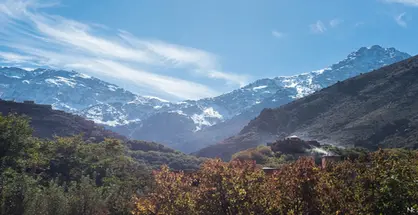
Riding a bike is probably the best way to see Morocco. You get to meet people you would never encounter from a bus window, and there is a real sense of pride that comes from pedaling through such a massive variety of landscapes. The route from the jagged peaks of the Atlas Mountains down to the orange dunes of the Sahara is a heavy lift, but it is an incredible journey for any cyclist who wants a bit of grit and challenge along with the scenery.
Marrakech is where the whole thing starts. It is a city that somehow manages to be deeply traditional while also being a massive hub for tourists and trade. You should definitely take some time to see the place before you head out on the road. Spend a day wandering through the chaotic souks, finding some quiet in the Jardin Majorelle, or looking up at the old Koutoubia Mosque. Once you feel ready, you point your bike south and start the long haul toward the Atlas Mountains.
Let’s be honest: the Atlas Mountains are tough. This isn't a ride for someone who isn't prepared to suffer a little. The roads are a mess of switchbacks and steep inclines that will test your legs and your mental toughness. As you climb higher, the air gets thin and cold, but the views just keep getting better. You will pass through Berber villages where life looks like it hasn't changed much in centuries, which gives you a rare look at a culture that has stayed remarkably consistent over the years.
The hardest part of this leg is the Tizi n’Tichka Pass, which is the highest major mountain pass in North Africa. Standing at 2,260 meters (about 7,415 feet) above sea level, the pass gives you a massive view of the peaks and valleys stretching out around you. The ride down from the top is a total rush, with plenty of sharp turns as the landscape starts to dry up and change into the first hints of the desert.
Once you are through the mountains, the road takes you to Ouarzazate. People often call it the "Hollywood of Morocco" because of the famous film studios located there. It is a solid place to park the bike and recover from the mountain fatigue before you push on to the next stage. I would suggest checking out the Taourirt Kasbah and the Atlas Film Studios if you want to see the history of the region and get a look at where so many famous movies were made.
The journey continues from Ouarzazate into the Draa Valley. It is like a long green ribbon dropped into the middle of the dust, and it feels completely different from the dry desert surrounding it. The valley is full of palm groves, old kasbahs, and traditional brown houses. The cycling here is actually quite pleasant because there isn't much traffic and the flat, green landscape makes you feel like you have stepped back into the past.
After you leave the Draa Valley, the trees disappear and you find yourself riding through a completely different world as you enter the vastness of the Sahara. The final stage of the trip ends in Merzouga, which is a tiny village sitting right on the edge of the Erg Chebbi dunes. These massive sand dunes reach up to 150 meters (nearly 500 feet) high, and they look almost impossible against the horizon.
Riding a bike in the desert is a unique experience, especially with that endless horizon and the way the sand is always shifting into new shapes. When the sun starts to go down, the dunes turn deep shades of orange and red, and everything goes completely silent. Stay the night in a Berber camp, eat a real meal, listen to some music, and just look at the stars. There is no light pollution out there, so the sky is unlike anything you’ve seen.
Cycling from the Atlas Mountains to the Sahara isn't just a physical workout; it is a way to see the real soul of Morocco. The change in the land, the people you meet, and the history you see along the way make the trip stick with you. Whether you are a hardcore cyclist or just a traveler looking for a new story to tell, this specific track is one you will always remember.
Before you go, make sure your bike is in top shape and can actually handle both mountain rocks and desert sand. You should also bring your own tools and spare parts for repairs, as you won't find many shops out there.
Carry more water than you think you need, especially when you are in the desert sections. Dehydration is a serious risk in hot, dry climates, and you don't want to get caught short.
Plan your stops carefully, particularly when you are heading into the more remote areas. Most of the small villages you pass along the way will have guest houses or spots to camp, so you don't have to worry too much if you prepare ahead of time.
You also need to be mindful of the local culture. Morocco is a country with deep traditions and specific laws, and it is important to respect how people live there. Being a polite guest who acknowledges the customs of the country makes the whole experience better for everyone.
At the end of the day, cycling through Morocco is the kind of adventure that tests your body while giving your mind a break from the usual noise. From the high peaks of the Atlas down to the sand of the Sahara, every mile you pedal gets you a little deeper into the heart of a truly unique place.