
 14 Oct 2026
 5 min read
The answer to “what is the hardest mountain biking trail in the world?” depends on what makes a ride hard for you. A trail can demand precise bike handling, sustained climbing, endurance in a remote area—or all three. Comparing those challenges is more useful than relying on a single worldwide ranking.
What makes a mountain bike trail exceptionally hard?
Trail difficulty is not just a measure of steepness or distance. It comes from how terrain, effort and consequences combine over the full ride.
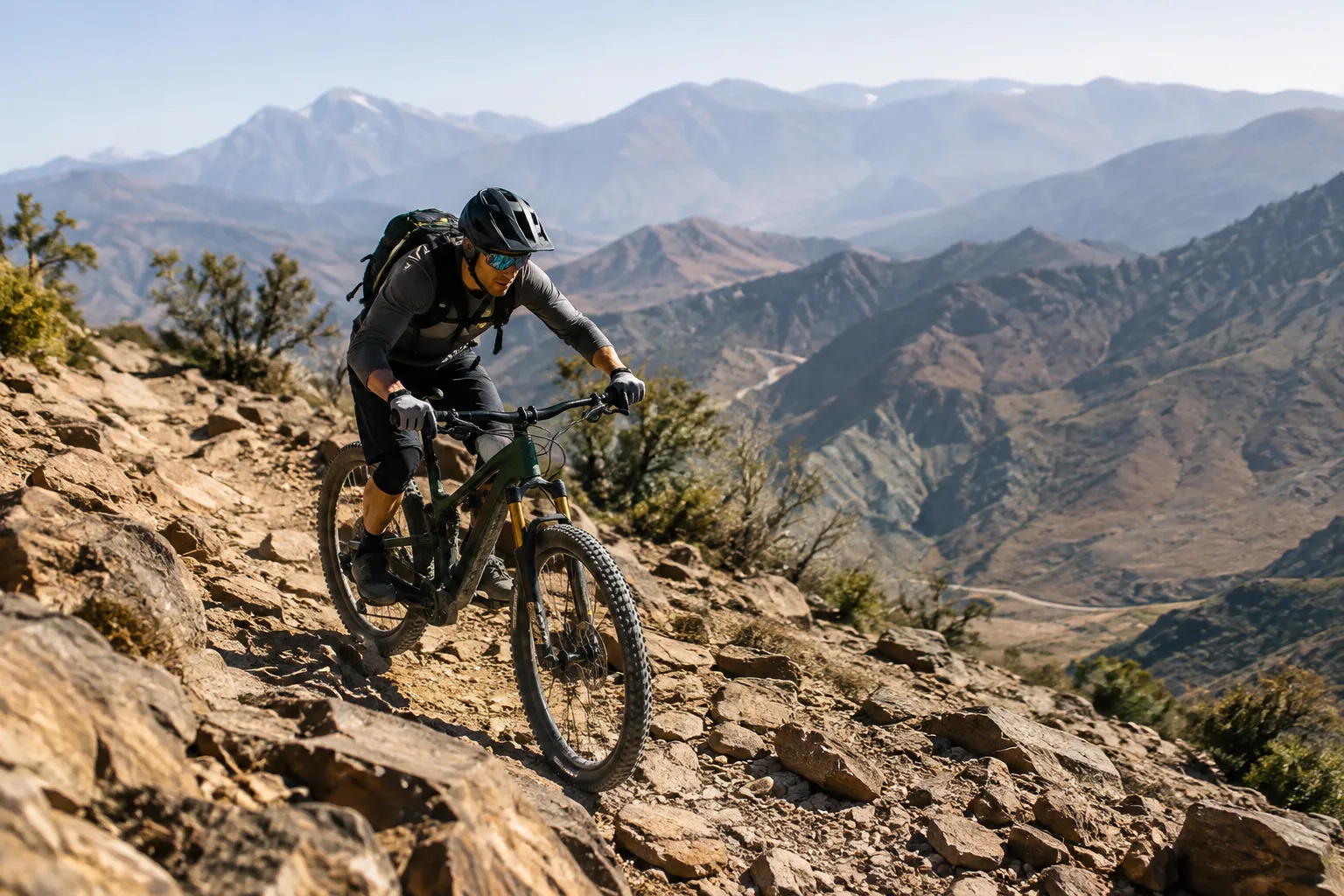
Technical features include narrow turns, abrupt steps, drops, awkward rock gardens and steep descents where you need to control your speed and choose a line. Loose surfaces add another challenge: rocks or gravel can shift under the wheels, making braking and cornering less predictable. A trail that feels manageable when dry may demand more care when the surface changes.
Exposure matters, too. A section beside a steep slope can require calm, accurate riding, even if it is short. Climbing adds a different test, especially when steep gradients, altitude or a long day make it harder to maintain steady effort. Remoteness can compound both: help may be farther away, and a wrong turn or mechanical problem can have greater consequences.
When assessing a demanding ride, consider:
- How much steep or technical descending it includes
- Whether the surface is firm, rocky, loose or changeable
- How much climbing and total time on the bike are involved
- Whether sections are exposed or far from assistance
- How easily you can shorten, walk or leave the route
These factors also matter when considering a mountain bike ride in Morocco. In the Atlas Mountains, route character can vary between climbs, descents and surfaces, so the name of a region alone does not tell you how difficult a ride will be.
Is there one hardest mountain biking trail in the world?
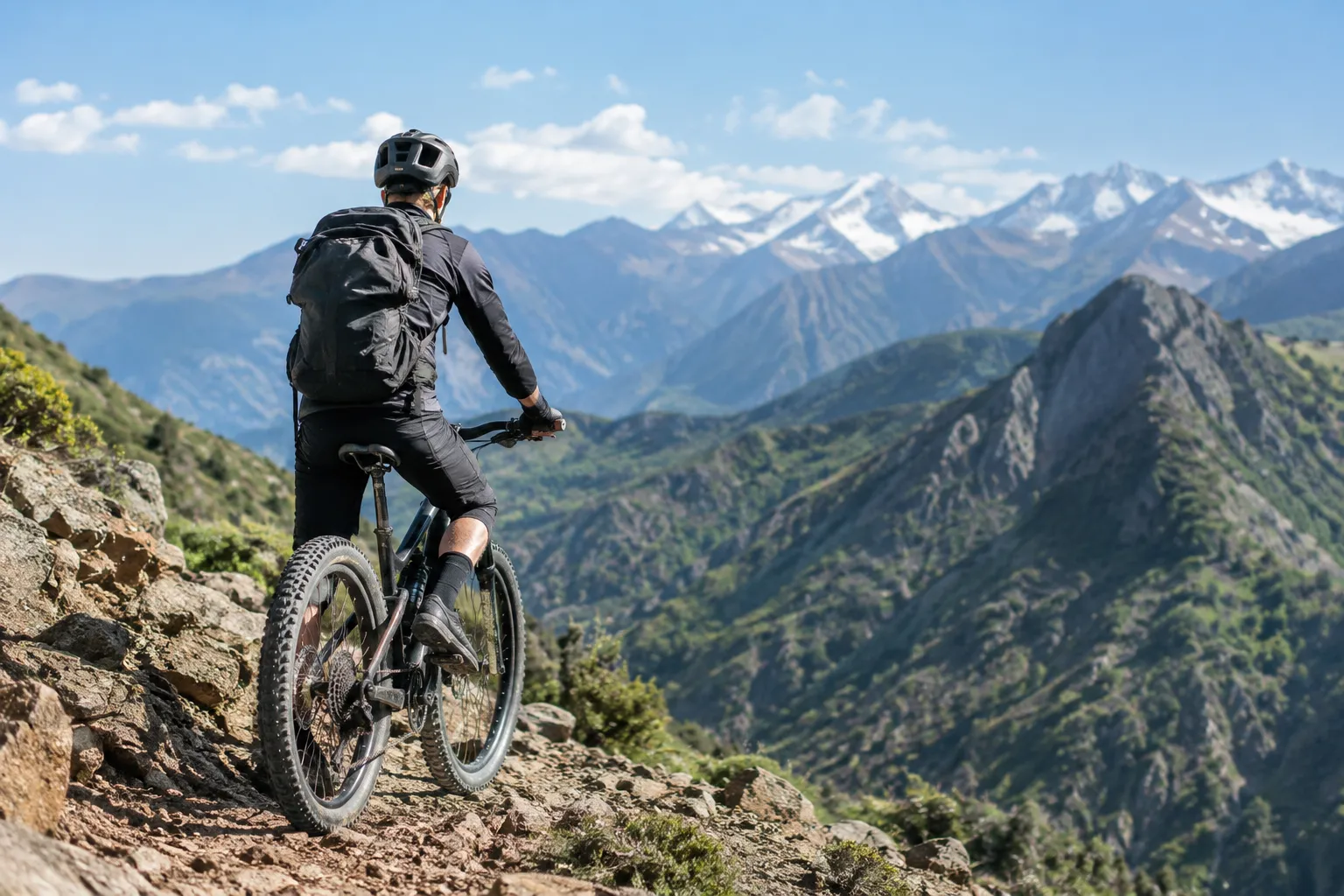
There is no universally agreed answer. Riders and route descriptions may judge difficulty by different standards: one may focus on technical descent, another on elevation gain, length, remoteness or the skills needed to ride continuously.
A long route with sustained climbing may be exceptionally demanding for an endurance-focused rider, while a shorter trail with steep, loose descents may be more difficult for someone still developing bike control. Even experienced riders can disagree if they are weighing different risks and abilities.
Instead of looking for a definitive title, compare the specific demands of a trail with your own experience. Ask whether its hardest features match terrain you have ridden recently—not just whether you have completed a ride with a similar distance or total climb.
Fitness and bike handling are different tests
Fitness helps you sustain effort over climbs and long days. Bike handling helps you respond to the terrain: braking smoothly, choosing lines, managing body position and staying balanced when the surface is uneven.
These abilities overlap, but neither guarantees the other. A strong climber may still find a steep, rocky descent demanding. A confident descender may be comfortable on technical ground but struggle with a long approach climb or hours of riding.
For a multi-day trip, recovery matters as well as single-ride fitness. Several consecutive days can make familiar terrain feel harder as tiredness builds. If you are comparing a guided mountain biking trip in Morocco with a day ride, ask about the daily riding demands and how the itinerary fits your group’s experience and pace.
How changing conditions affect trail difficulty
Trail conditions can change how a route rides. Rain or damp ground may affect grip; dry, loose material can shift beneath the tyres. Wind, temperature and visibility can also influence comfort and judgment, particularly on exposed sections or during a long day.
In the Atlas Mountains, those conditions are part of why a route should be assessed close to the riding date rather than by reputation alone. A description from a previous visit cannot tell you exactly how the trail will feel now.
Local route knowledge can help with that assessment. A guide familiar with the area can explain which sections may be more exposed or technical, discuss current conditions and help riders judge whether the planned route suits their ability. For anyone researching mountain biking in the Atlas Mountains, ask specific questions about terrain, climbing, surface and options if a section feels beyond your comfort level.
Hard Mountain Biking Trail FAQs
What is the most popular MTB trail in the world?
There is no single agreed measure of the world’s most popular MTB trail, and popularity can mean high visitor numbers, strong local recognition or frequent recommendations. Choose by trail character and suitability rather than reputation alone.
What is the longest mountain bike trail in the world?
There is no single definitive answer because trail networks and route definitions differ, and some rides combine multiple connected sections. Check how a route is measured and whether the distance describes a maintained trail or a broader itinerary.
What is the hardest MTB trail in the world?
No one trail can be named hardest for every rider because difficulty may come from technical features, climbing, exposure, remoteness or a combination. Compare those demands with your current fitness and handling skills.
What skills should I have before riding a highly technical trail?
You should be comfortable controlling speed, braking smoothly, choosing a line and maintaining balance over uneven ground. Practise these skills on terrain where you can stop or walk safely before attempting more exposed or consequential sections.
How can I prepare for a demanding mountain bike ride?
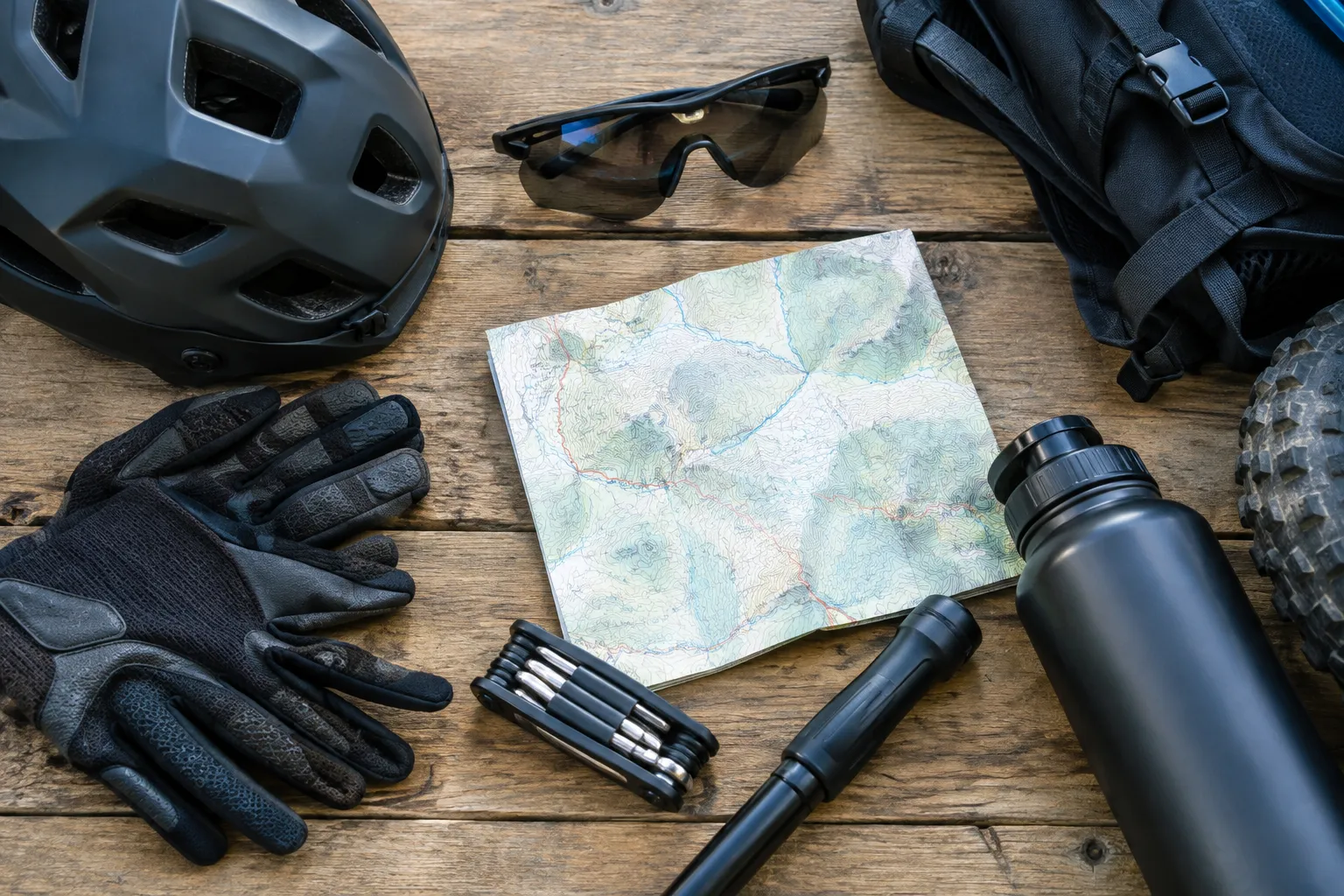
Build fitness for the ride’s climbing and duration, practise on similar terrain and check the route, weather and expected surface conditions. Carry what you need for the planned ride and make sure you know how to adjust the plan if conditions change.
What bike setup works best for steep, rocky trails?
A suitable setup depends on the bike, terrain and rider, but secure braking, tyres suited to the surface and a correctly functioning bike are central considerations. Ask a knowledgeable mechanic or local guide to check the setup against the route.
How do I judge whether a trail is too difficult for me?
Compare its steepest and most technical sections with terrain you have already ridden confidently, not just its distance or overall elevation. If you are unsure about exposure, surface or escape options, get local advice before setting out.
Why can a local guide make a challenging ride safer?
A local guide can share route knowledge, explain terrain and help assess changing conditions and group ability. That context supports better decisions, but riders still need to communicate their comfort level and follow appropriate safety practices.
Choose a challenge that matches your skills
When asking what is the hardest mountain biking trail in the world, start by separating the challenge into parts: fitness, technical handling, exposure and remoteness. Then consider which of those factors you have experience with and which would be new.
Before an unfamiliar ride, check current conditions, ask how difficult sections can be managed and be honest about your group’s abilities. In the Atlas Mountains, as elsewhere, a trail’s demands depend on the route and the day—not simply its name.
Hannah Whitaker is an adventure travel editor with a background in outdoor travel writing and guided cycling trips. She specialises in mountain biking and trekking in Morocco, including routes around Marrakech, the Atlas Mountains and the Sahara. Drawing on local guides’ knowledge, she explains trail conditions, practical preparation and the cultural context of each journey. Her articles help riders assess whether a route suits their ability and plan a rewarding day or multi-day trip.