 24 Nov 2026
 6 min read
There is no universally agreed country called the bicycle capital of the world. The Netherlands is often associated with the label because cycling is part of everyday transport, while Amsterdam is the city more commonly given the title; the answer depends on what “capital” means.
What country is called the bicycle capital of the world?
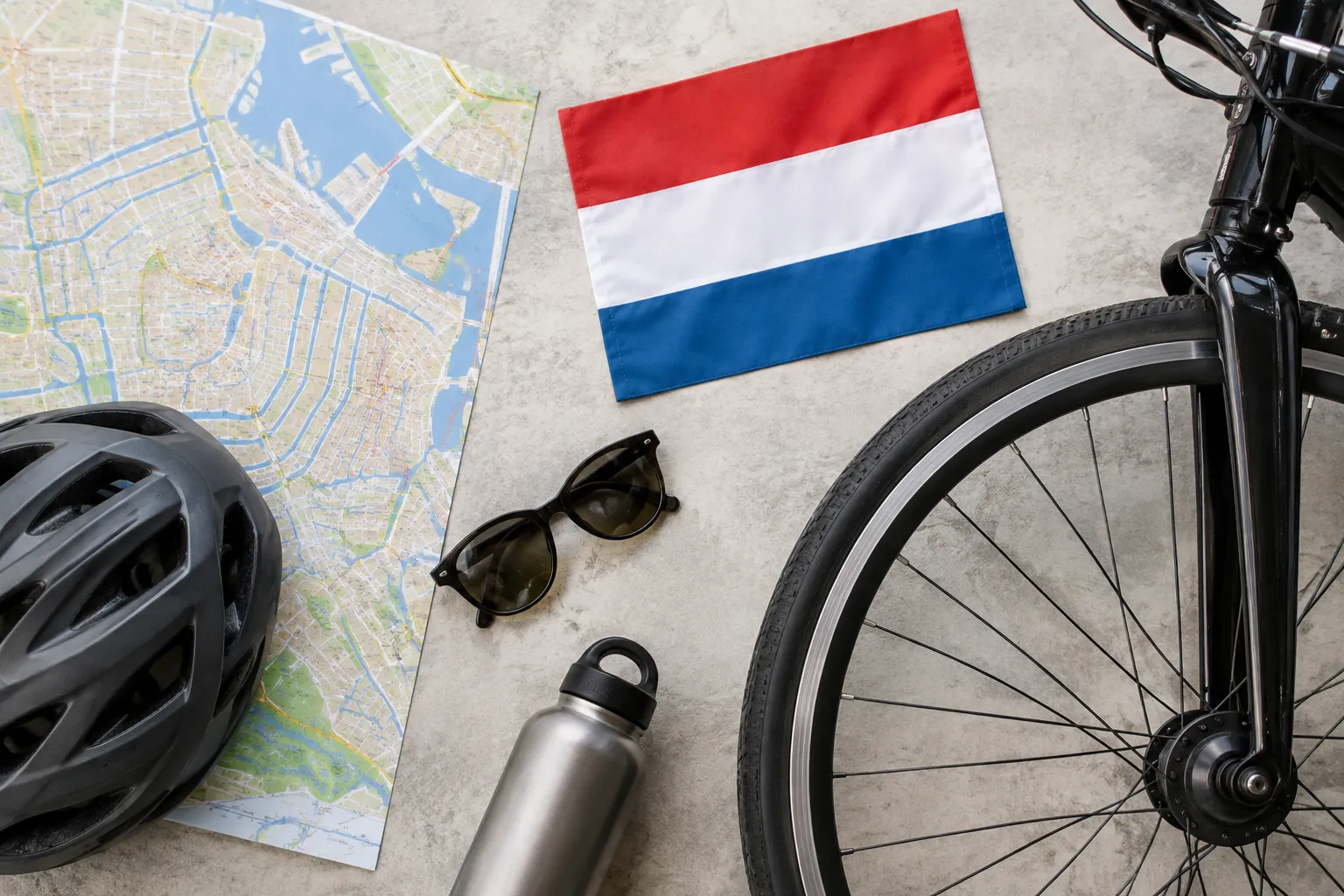
No official or universally agreed country holds the title; the Netherlands is often associated with it because of its established everyday cycling culture. If you mean a famous cycling city rather than a country, Amsterdam is a common answer.
The phrase “bicycle capital” is an informal label, not a single global designation with agreed criteria. Someone asking about it might mean a place where people cycle as part of daily life, a city known for cycling infrastructure, or a destination that attracts visitors for riding. Those are different measures, so they need not point to the same place.
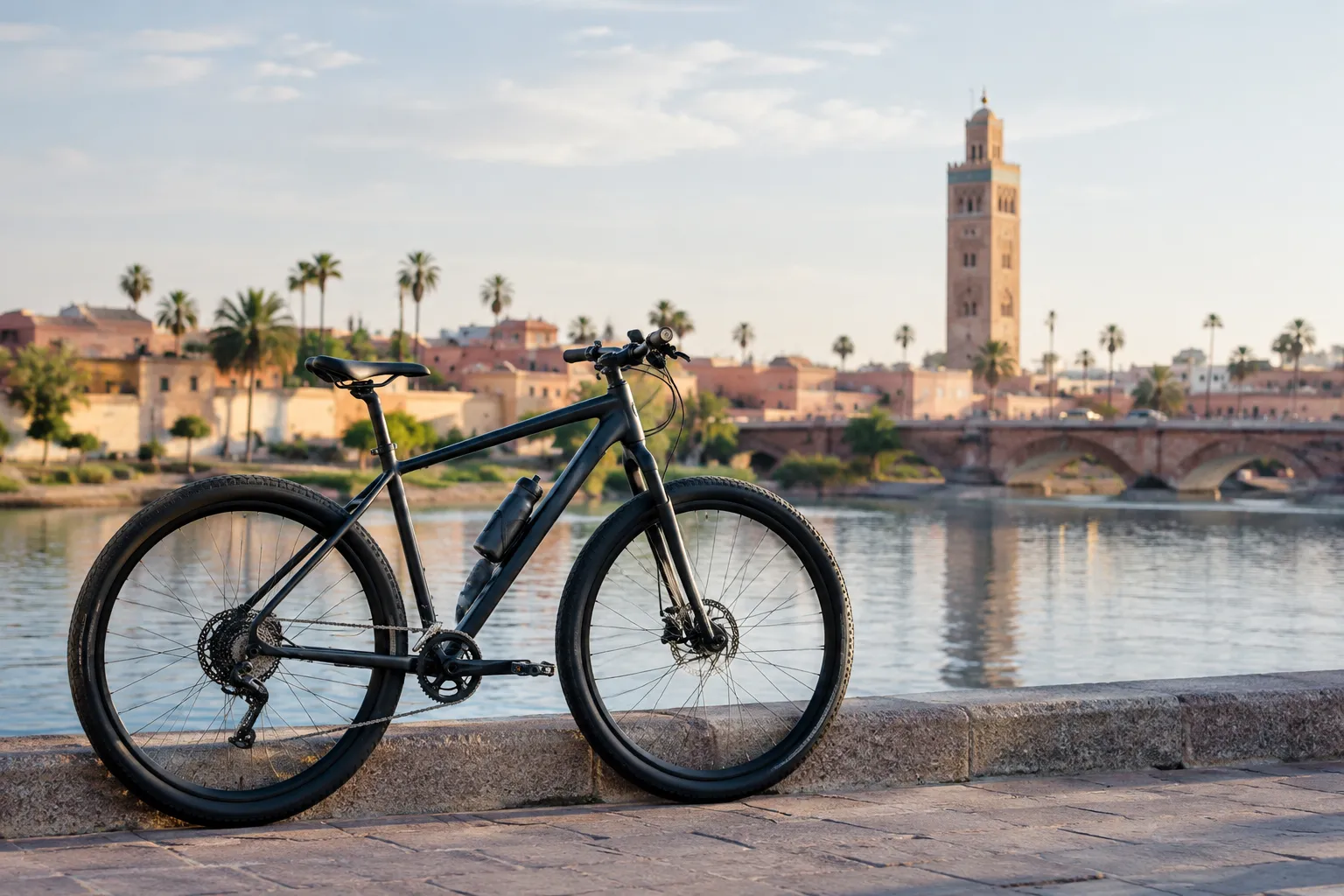
That distinction matters if you are choosing a holiday. A country’s reputation for everyday cycling does not by itself tell you what its trails are like, which kind of riding is available or whether a guided trip matches your ability. For a mountain-bike tour in Morocco, the practical questions are about route character, trip format and location—not whether Morocco has the same reputation as the Netherlands for daily transport cycling.
Atlas Mountain Bike has offered guided mountain biking and e-bike adventures across Morocco since 1998, with trips centred on Marrakech and the Atlas Mountains. That background puts the business in the context of destination riding rather than a claim to any “bicycle capital” title. The distinction is useful: a cycling culture is one reason a place becomes known for bicycles; a guided trip is a way to experience a particular landscape on a bike.

Why the Netherlands is associated with cycling
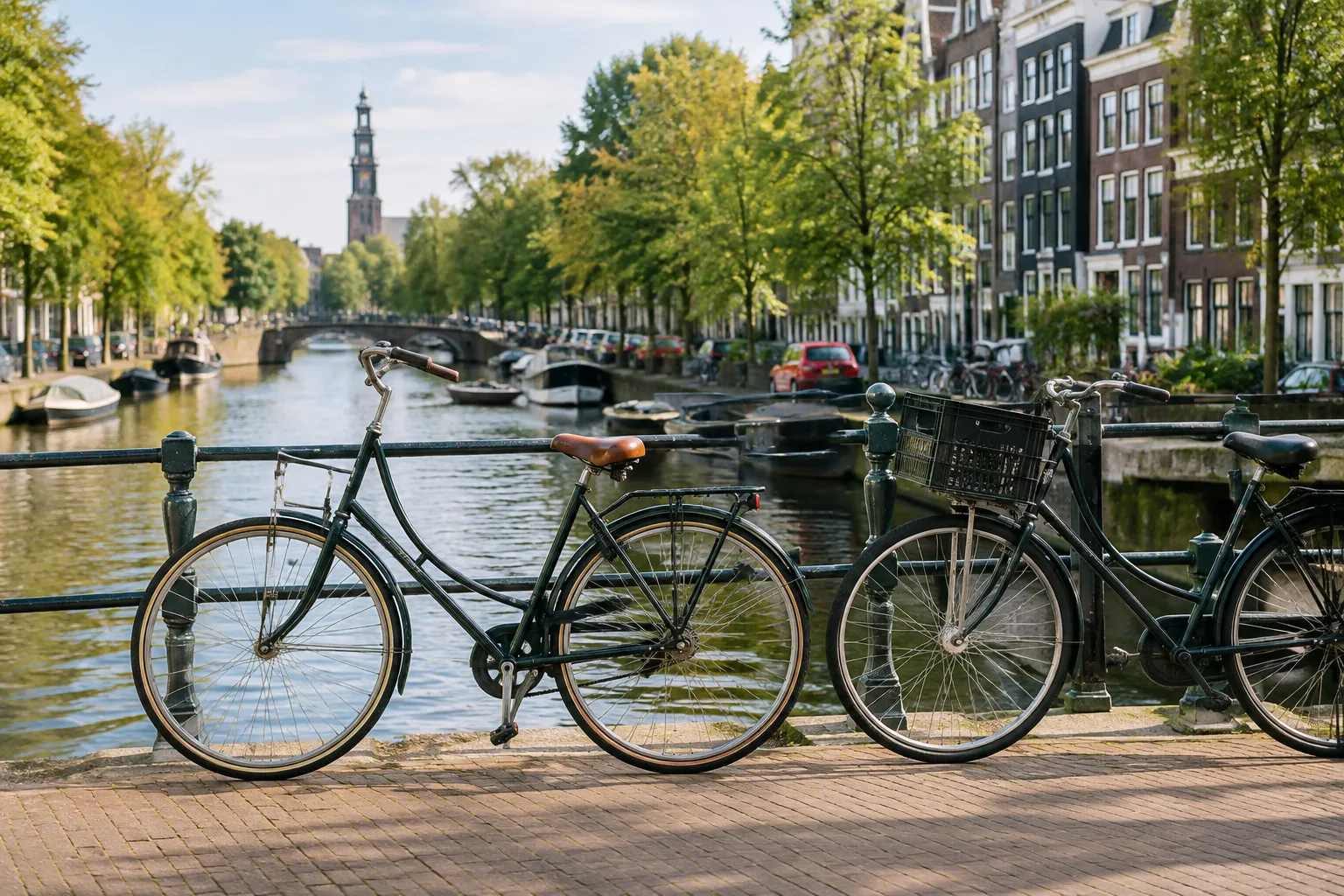
The Netherlands is associated with cycling because bicycles have a prominent place in everyday transport and national cycling culture. That reputation supports the country-level association, but it does not make “bicycle capital of the world” an official title.
Everyday cycling and destination riding answer different questions. In the first case, the focus is on how people get around in daily life. In the second, a visitor is deciding where to ride, what terrain to expect and how to organise the trip. A country can be strongly associated with one without being the best fit for every kind of cycling holiday.
For a rider comparing destinations, it helps to name the experience they want before settling on a place. Consider:
- Whether you want to cycle as part of a city visit or spend time on mountain trails.
- Whether you are looking for a self-directed ride or a guided trip.
- Whether you prefer a standard mountain bike, an e-bike or a different trip style.
- How challenging the terrain can be for your experience and fitness.
These questions bring a destination decision into focus more reliably than a loose global label. A person drawn to everyday urban cycling may be looking for something quite different from a group planning several days of mountain riding.
For Morocco, the relevant comparison is not whether it is another “bicycle capital”. It is whether the riding and trip format fit what you want to do. Atlas Mountain Bike offers guided mountain-bike and e-bike trips around Marrakech and the Atlas Mountains, from day rides to multi-day trips. Its location in Imlil places the business in the High Atlas, giving readers a specific starting point for considering mountain riding.
How Amsterdam fits the bicycle-capital label
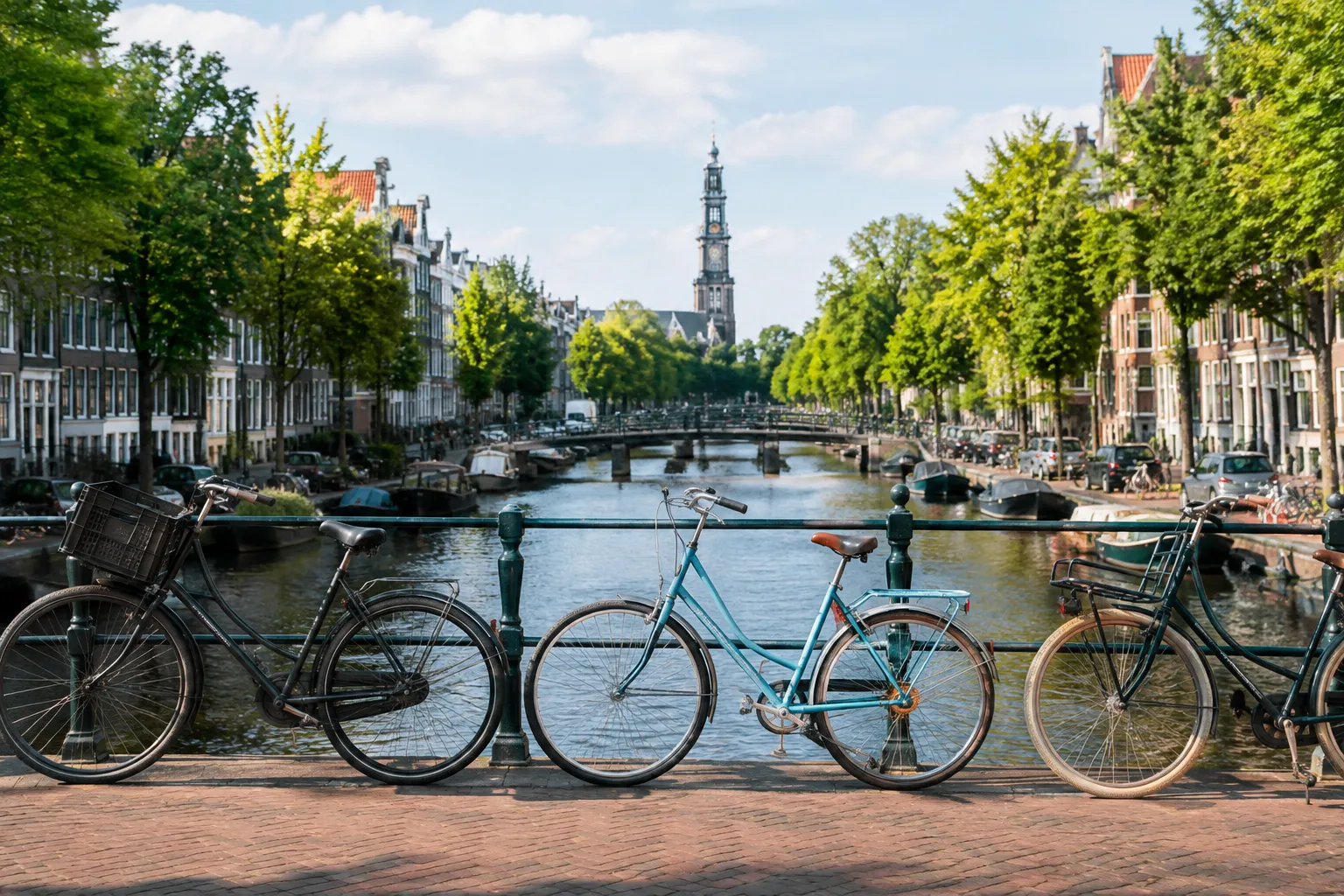
Amsterdam is commonly described as a bicycle capital at the city level, which is different from calling an entire country the world’s bicycle capital. The two labels refer to different scales: one names a city, the other suggests a country-wide reputation.
That city-versus-country distinction explains why answers to the search question can vary. Someone asking which city is famous for cycling may hear Amsterdam; someone asking which country is associated with cycling culture may hear the Netherlands. Neither answer establishes a formal international award or a definitive ranking.
The distinction also helps when planning a trip. A city break centred on getting around by bicycle is not the same as a guided mountain-bike holiday. If your priority is off-road riding, compare routes and trip formats directly rather than assuming a famous cycling city offers the kind of terrain you want.
For a Morocco trip, you can begin with the location and the type of ride. Potential Atlas-area riding locations include Imlil, Toubkal and Berber villages. The appropriate choice depends on the itinerary and the riding offered, so ask what terrain a particular trip covers and how the route is matched to riders’ experience. To understand the wider destination context, see whether Marrakech suits cyclists.
Consider Morocco for a guided mountain-bike adventure
Morocco is a destination to consider for guided mountain biking, not a country with a definitive bicycle-capital title. Atlas Mountain Bike offers guided rides around Marrakech and the Atlas Mountains, with day trips and multi-day options for riders comparing a mountain-bike tour in Morocco.
A guided trip can be a useful format if you want help navigating an unfamiliar area and would rather not plan every route yourself. Before choosing one, check what the itinerary covers, what riding style it involves and whether the expected terrain fits your experience. A group should also compare how much time is set aside for riding and whether the overall pace suits everyone taking part.
The available trip formats are not interchangeable:
- Mountain-bike trips are for readers focused on off-road riding.
- E-bike trips are a distinct option for guided-trip seekers who want electric assistance.
- Trekking-style excursions are different from mountain-bike tours and suit people seeking an outing on foot rather than a bike.
- Gravel biking is another format to ask about if you are comparing ride styles.
Potential places around the Atlas include Imlil, Toubkal and Berber villages. Those names help locate the broad area, but they do not tell you the distance, surface or difficulty of a particular route. Ask for the actual itinerary and a clear description of the terrain before deciding whether it is right for you.
For a fuller explanation of what to compare when selecting a guided trip, read this guide to choosing a Morocco mountain-bike tour. If you are deciding how the wider journey fits your budget, the guide to private Morocco tour costs offers another planning reference. Neither the country-level label nor a destination’s reputation can replace checking the details of the trip you are considering.
Recommended next steps
To choose a cycling destination, decide first whether you want everyday city cycling or a guided riding holiday, then compare the actual trip details with your group’s needs. Use these steps to move from a broad search to a practical choice.
- Decide whether you mean a country known for everyday cycling, a city associated with bicycles or a destination for mountain-bike riding.
- Write down your group’s preferred riding format, such as mountain biking, e-biking, gravel riding or trekking.
- Compare the proposed location and route description with your group’s experience, and ask how the terrain and difficulty are explained.
- Check whether a day ride or a multi-day itinerary better fits the time your group has available.
- Read the Morocco mountain-bike trip guide and compare its selection points with the details of the itinerary you are considering.