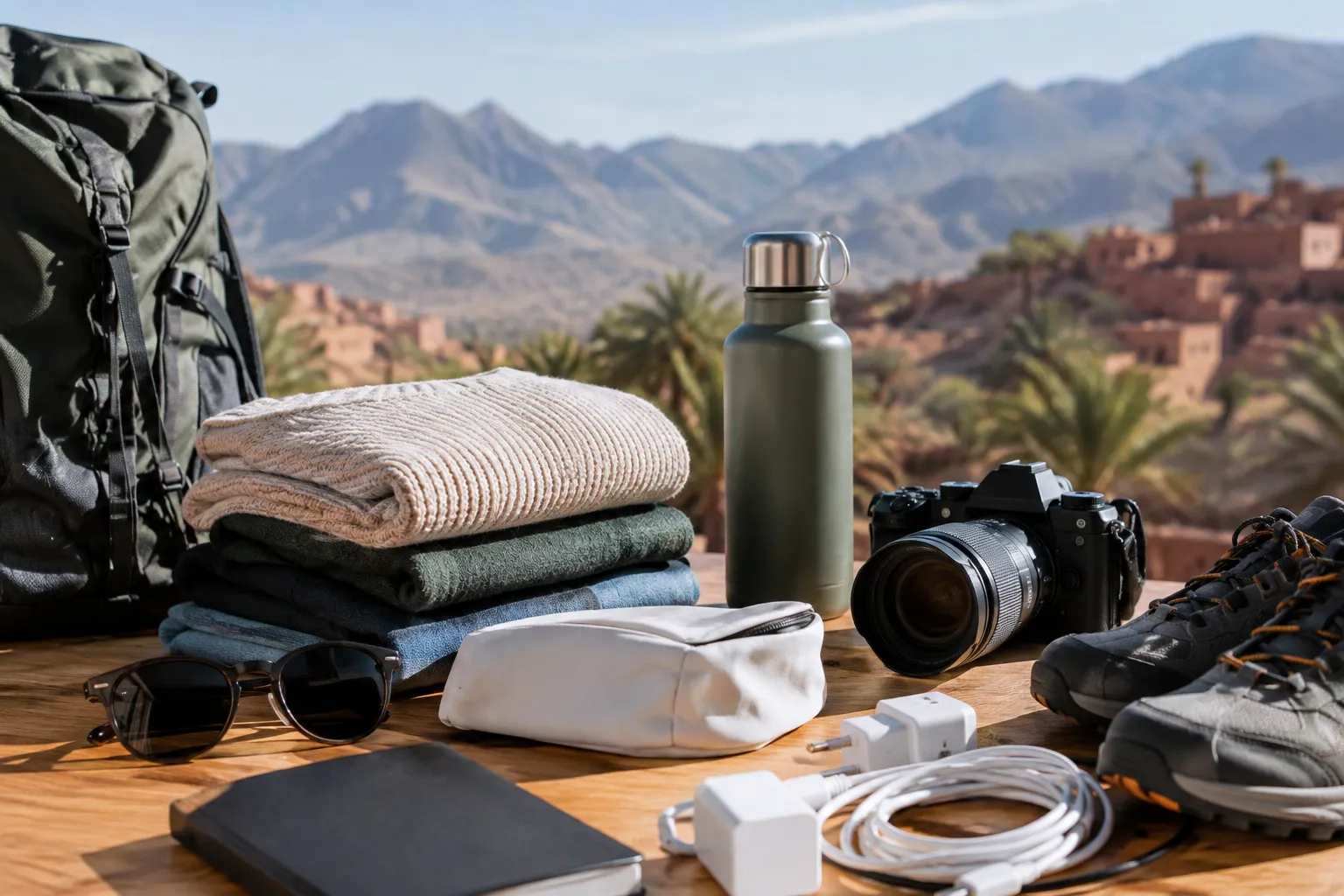

 19 Oct 2026
 4 min read
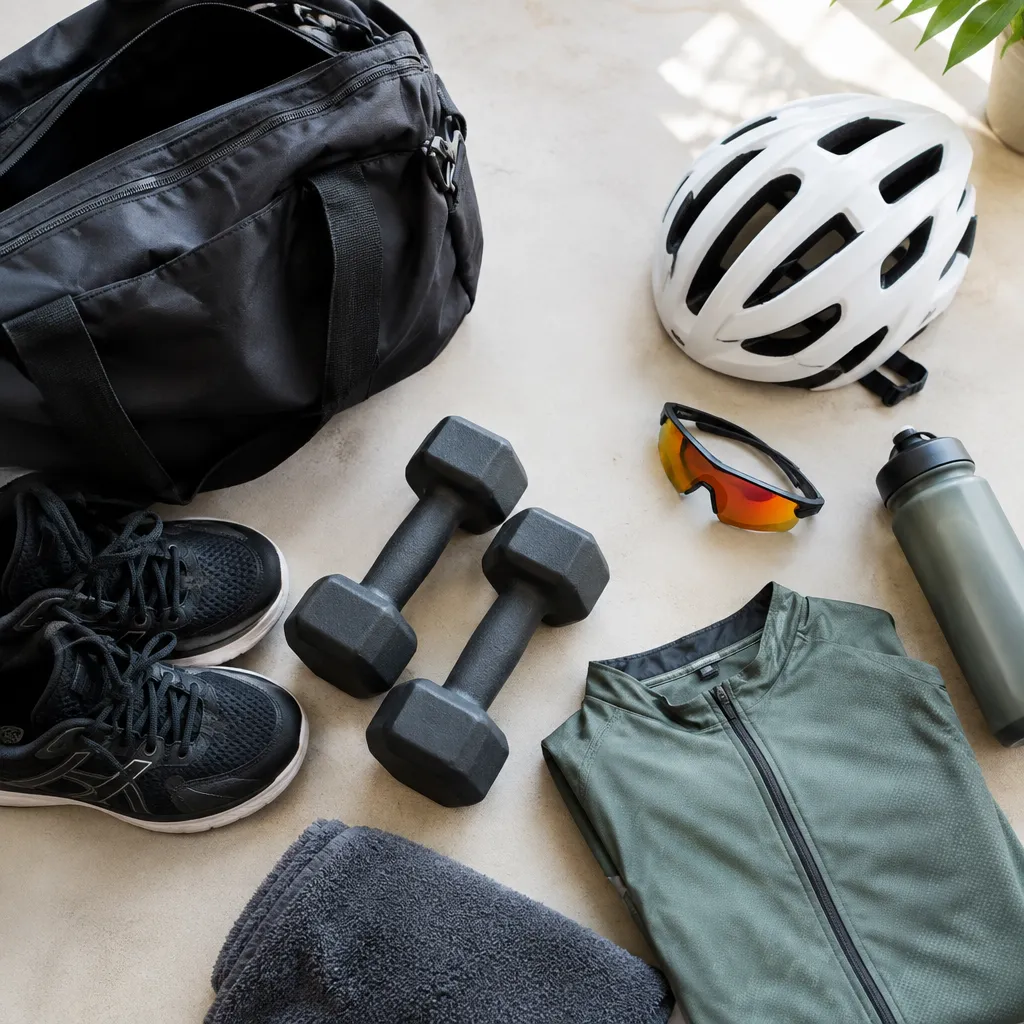
1. Leave heavy fitness gear behind and arrive ride-ready
For a Morocco cycling trip, leave bulky gym equipment at home. Prepare with rides and fitness sessions before you travel instead; your guide can help you understand the planned route and the effort it is likely to require. When comparing options for mountain biking in the Atlas Mountains, discuss your experience and fitness with the operator so the ride can be matched to your ability.
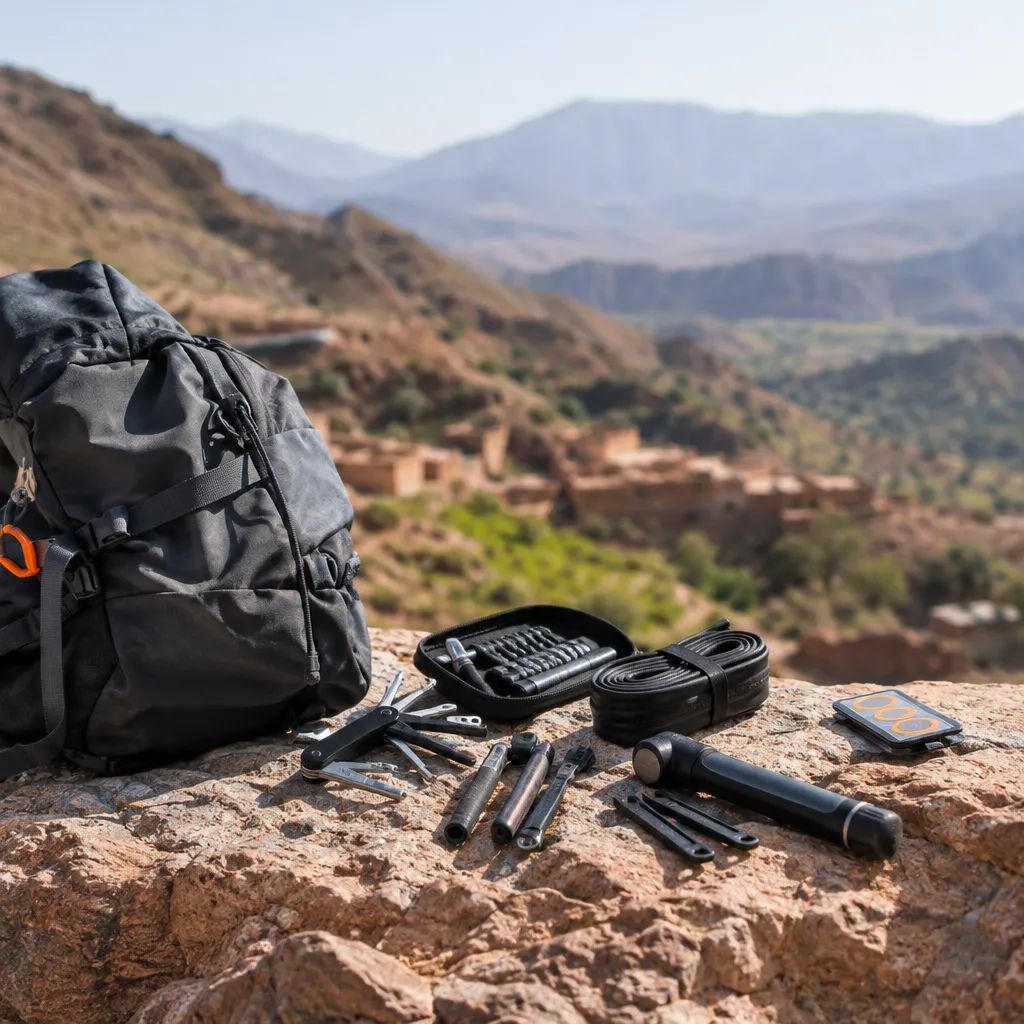
2. Skip tools and spares your operator already provides
Before packing tools or a full set of spares, ask what bike, helmet, repair kit and support equipment are included. Provision varies by operator and trip, so get the details for your specific ride rather than assuming. You may still want personal essentials such as gloves, eyewear or a preferred saddle, but confirm what is useful and practical to bring.
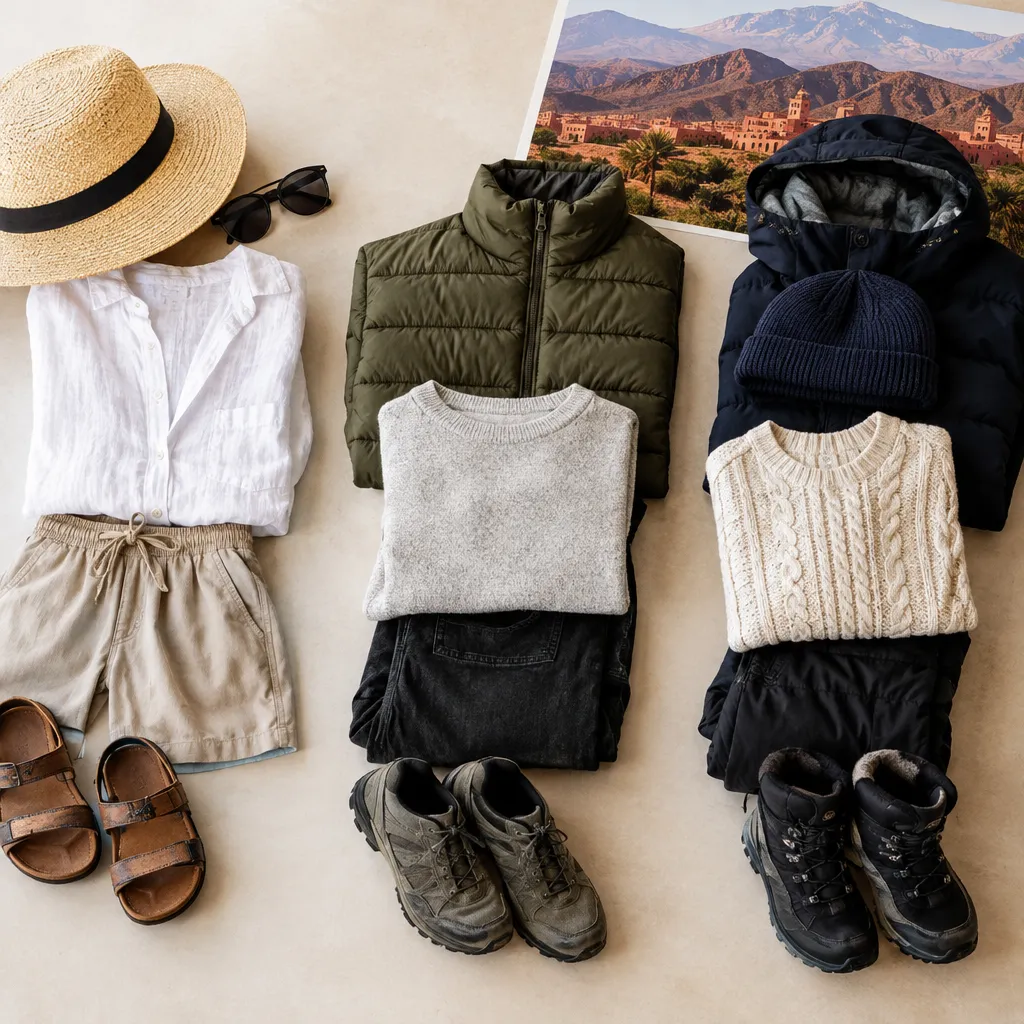
3. Don’t pack clothes for only one kind of weather
Avoid packing a separate outfit for every possible condition. Choose adaptable riding layers that can be added or removed, and check the season, route and elevation before deciding on extras. A ride near Imlil or higher in the Atlas can call for different layers from a warmer day around Marrakech; the itinerary and forecast are better guides than a generic packing list.
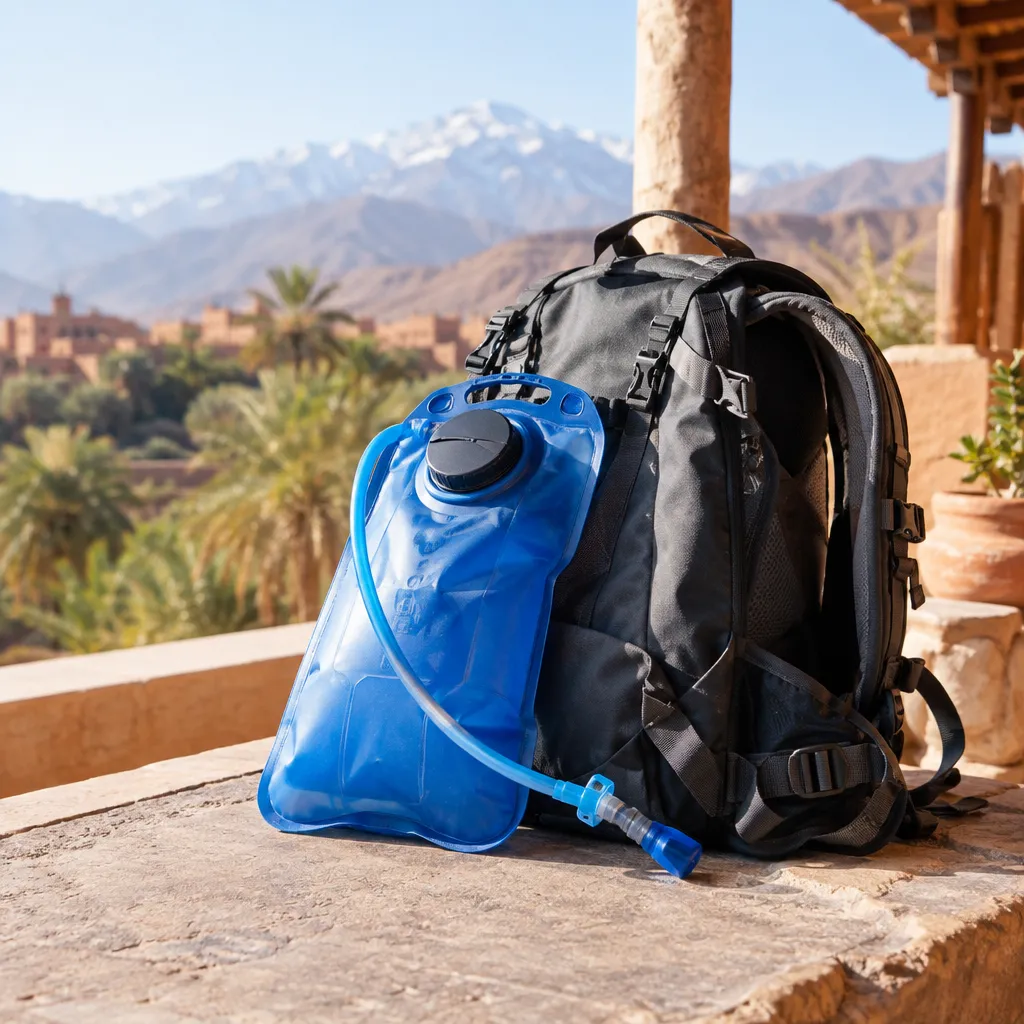
4. Leave bulky hydration gear behind if support is planned
Don’t bring an oversized hydration system until you know how water is carried and refilled on your trip. Ask your guide what support is planned and how long riders may be between refill opportunities. Then choose a suitable bottle or pack for the route. Don’t assume that support means you can ride without carrying water.
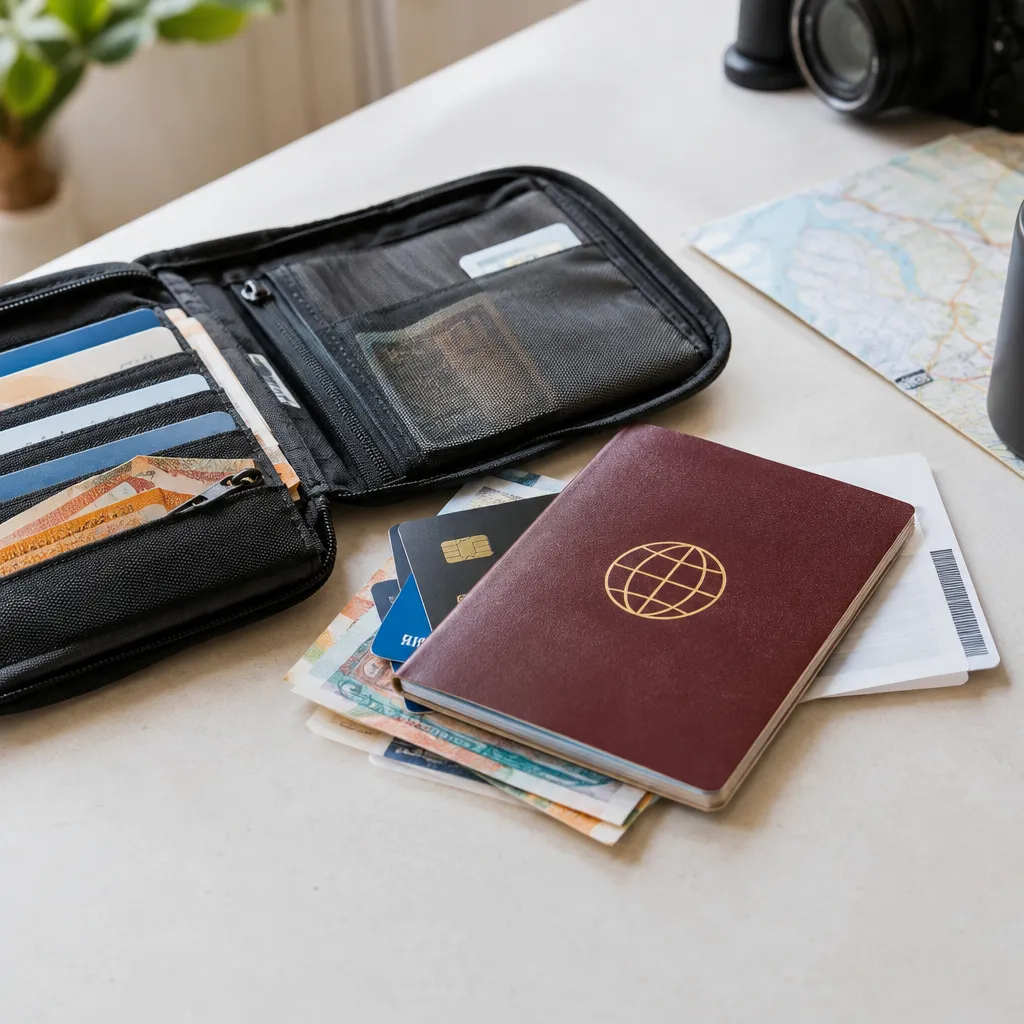
5. Don’t carry documents you haven’t checked with your operator
Check current entry requirements with official sources and ask your insurer whether your policy covers the activities and locations on your itinerary. Carry essential travel documents and policy details in a secure, accessible form; keep a digital backup where practical. Avoid unnecessary paper copies, but don’t rely on a phone alone for documents you may need when offline.
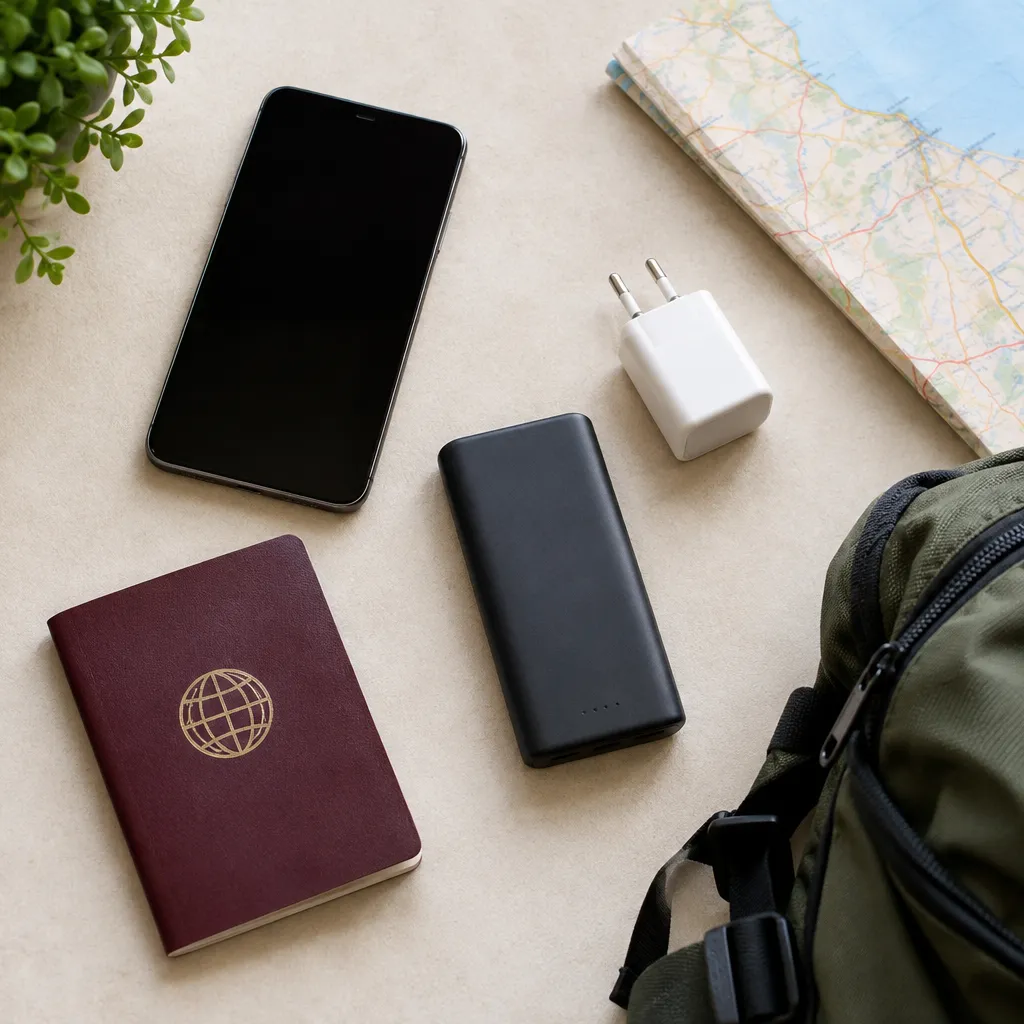
6. Don’t assume your phone will work on every route
Agree on meeting points and how to contact your guide before setting off. Save relevant maps or route information for offline use, charge your phone and consider a portable charger if it suits your itinerary. Coverage may vary along remote routes, so treat your phone as a useful backup—not as the only way to navigate or regroup.
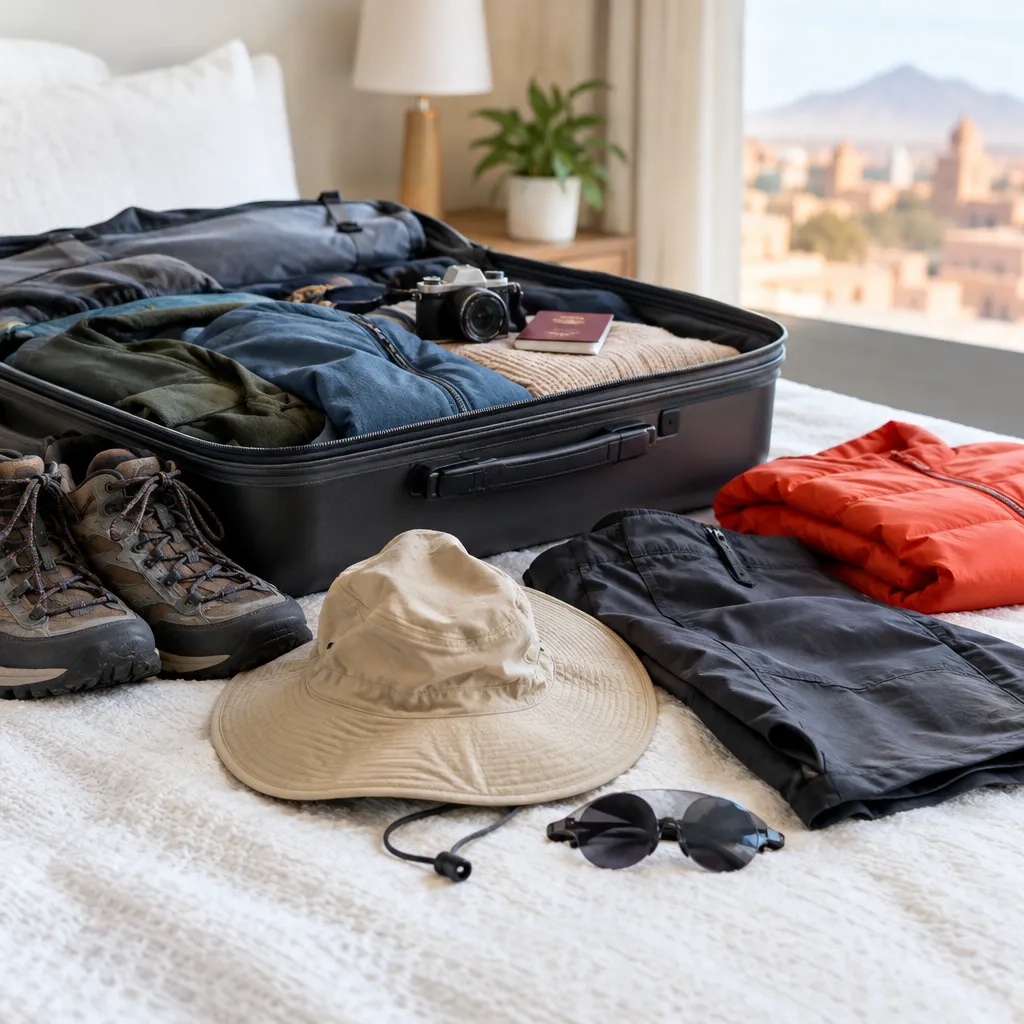
7. Avoid packing extras before confirming the season and route
Check the itinerary, elevation, expected conditions and operator equipment list before adding route-specific items. A warmer layer or additional sun protection may be useful depending on the season and ride, but packing several alternatives without checking can add weight without helping. For a mountain bike trip in the Atlas Mountains, ask which items are essential for your planned route.
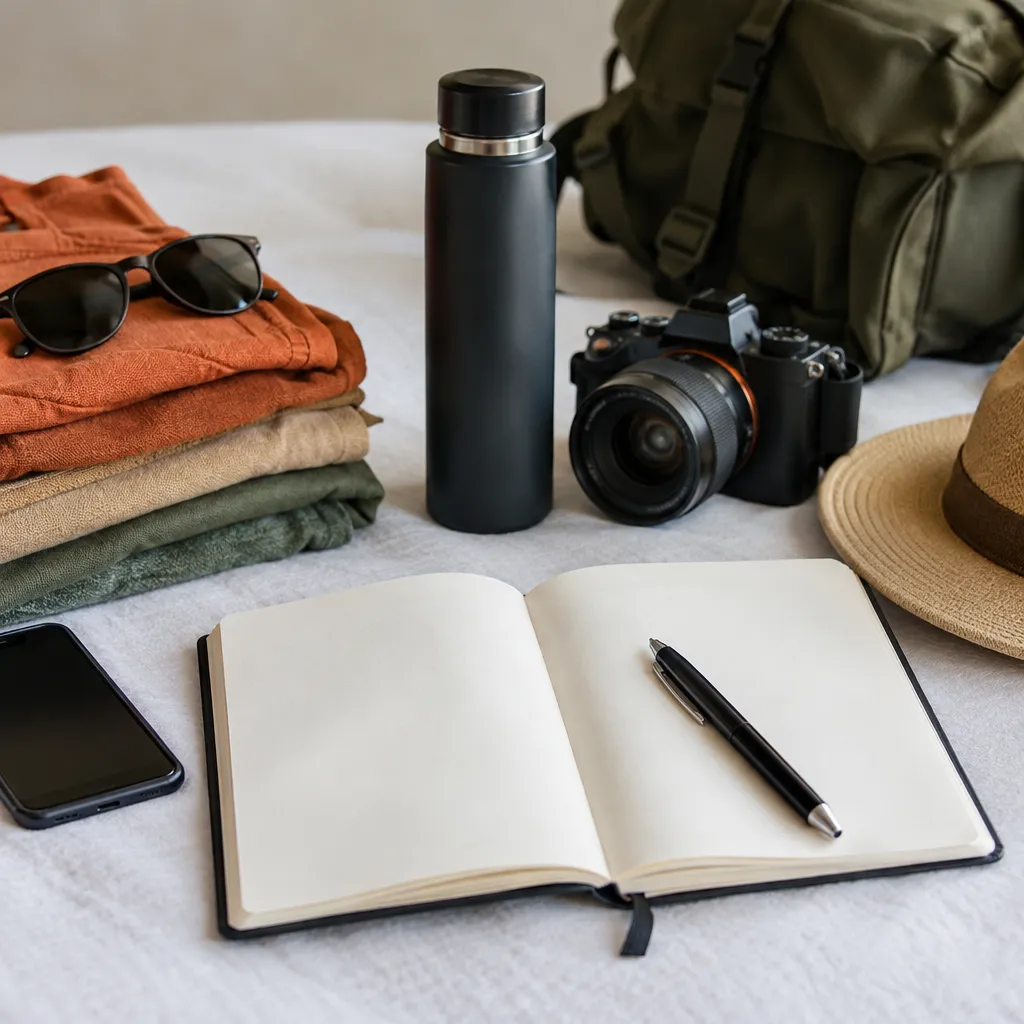
8. Use this what-not-to-take checklist before you leave
Lay out your gear beside the confirmed itinerary and operator list. Remove duplicate tools, bulky fitness equipment, spare clothing for conditions that are not expected, and anything you will not use. Keep items that address a clear need—such as personal riding essentials, required documents and suitable water-carrying gear—and recheck the forecast before departure.
Morocco Cycling Trip FAQs
Should I not travel to Morocco right now?
There is no general packing-related reason to cancel a trip; check your government’s current travel advice, local conditions and any airline or insurance updates before departure. Reassess if guidance changes or affects your itinerary.
What not to pack for Morocco?
For a cycling trip, skip bulky gym gear, duplicate tools and clothing chosen without checking the route and season. Confirm what the operator provides before packing bike equipment or spares.
What to eat in Morocco to not get sick?
Choose freshly prepared food served hot, wash your hands before eating and follow current food and water guidance for your destination. If you have dietary or medical concerns, plan around them before travelling.
How much should I tip a mountain bike guide in Morocco?
There is no single required amount; tipping is discretionary and can reflect the service, trip length and your budget. Ask the operator whether tipping is customary for the itinerary and whether a group tip is coordinated.
Can I pay by card in villages near the Atlas Mountains?
Don’t assume card payment will be available in villages. Ask your operator what payment methods are practical along your route and carry an appropriate amount of local cash for planned personal expenses.
What type of power adapter is used in Morocco?
Morocco commonly uses Type C and Type E power sockets. Check that your plugs fit and that your device supports the local supply; bring a suitable adapter if needed.
Can I bring prescription medication into Morocco?
Usually, travellers can bring medication for personal use, but rules may differ for controlled medicines. Keep it in its original packaging and check current official requirements for your medication before departure.
Is it customary to ask permission before photographing people in Morocco?
Yes. Ask before taking someone’s photograph, especially a close-up, and respect a refusal. Be considerate when photographing in villages or other private settings.
Confirm your ride details, then pack light
Before travelling, share your fitness level, route plans and equipment questions with Atlas Mountain Bike so you can check what the itinerary requires and what is already provided. For background on the destination, start with Atlas Mountain Bike.
Related
- Atlas Mountain treks, from village walks to high routes
- E-bike mountain bike buying guide for trail riders
Hannah Whitaker is an adventure travel editor with a background in outdoor travel writing and guided cycling trips. She specialises in mountain biking and trekking in Morocco, including routes around Marrakech, the Atlas Mountains and the Sahara. Drawing on local guides’ knowledge, she explains trail conditions, practical preparation and the cultural context of each journey. Her articles help riders assess whether a route suits their ability and plan a rewarding day or multi-day trip.