
 12 Oct 2026
 5 min read
Atlas Mountain treks are guided or self-planned walks through Morocco’s mountain valleys, villages and high-altitude terrain, with routes ranging from short village outings to demanding summit journeys. Recent travel coverage has highlighted both village-based walking in the High Atlas and the area’s role as a base for hikes towards major viewpoints and peaks. For choosing a trek, focus first on distance, altitude, access and support—not scenery alone.
- Village walks suit travellers prioritising a shorter day on foot and time in the valleys.
- High routes and summit treks require more attention to elevation, duration and preparation.
- Conditions are seasonal, so check the route and expected conditions for your dates.
- Trekking days are walking itineraries; cycling days involve riding and have different demands.
Atlas mountain treks: what it means in practice
The Atlas Mountains are a mountain range in Morocco, and trekking there can mean anything from walking between villages in the High Atlas to attempting a high-altitude route. The choice changes the day’s pace, physical demands and logistics. A trek that begins near Marrakech may still require onward transport to reach its trailhead; the phrase “Atlas mountain treks from Marrakech” describes a starting point for a journey, not necessarily a walk that begins in the city.
Recent reports reflect this range of experiences. National Geographic describes High Atlas valleys and Amazigh villages within reach of Marrakech, while a 2026 Guardian feature focuses on a mountain hotel as a base for hikes to viewpoints. These accounts point to two useful planning approaches: walking through inhabited valleys or choosing a base for day hikes. Neither is interchangeable with a high-route itinerary.
Timing matters, but there is no single season that suits every route. Temperature, altitude and trail conditions can change what a walk involves. Use a route-specific resource such as our guide to seasonal Atlas hiking routes to compare options against your travel dates.
Atlas mountain treks: the key factors
The core problem to understand
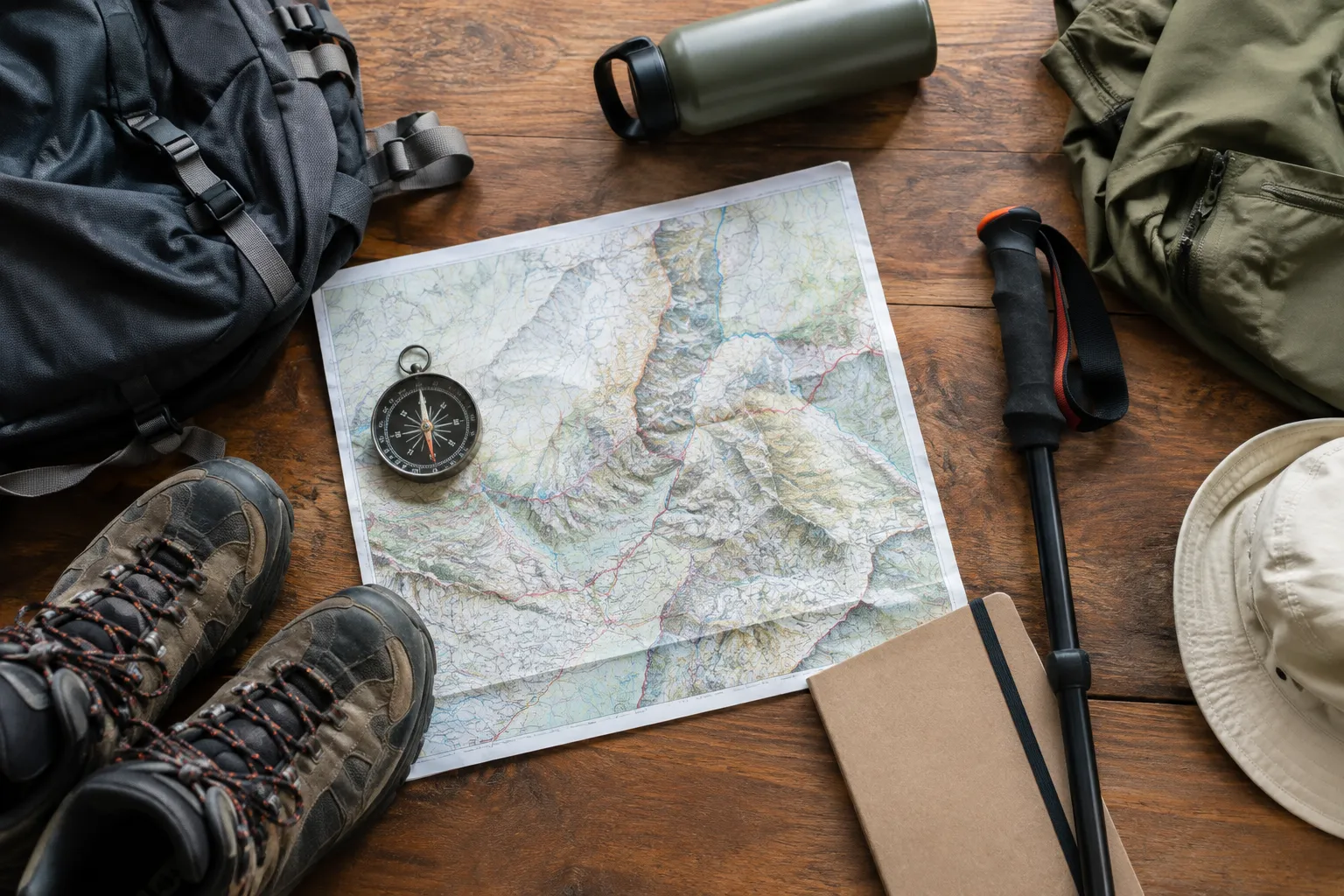
The main planning challenge is matching the route’s physical demands to the group’s experience and available time. Distance alone is not enough: altitude gain, total time on foot, terrain and overnight arrangements also shape how strenuous a trek feels. A village walk and a high route may take place in the same broad region but call for different preparation.
Access matters too. An itinerary departing from Marrakech may include a transfer before walking begins. Ask where the trek starts, how long it takes to reach the trailhead and what happens if the group needs to adjust its pace. For a concrete example of a Marrakech departure, review the details of this two-day Toubkal trek.
The practical decision criteria
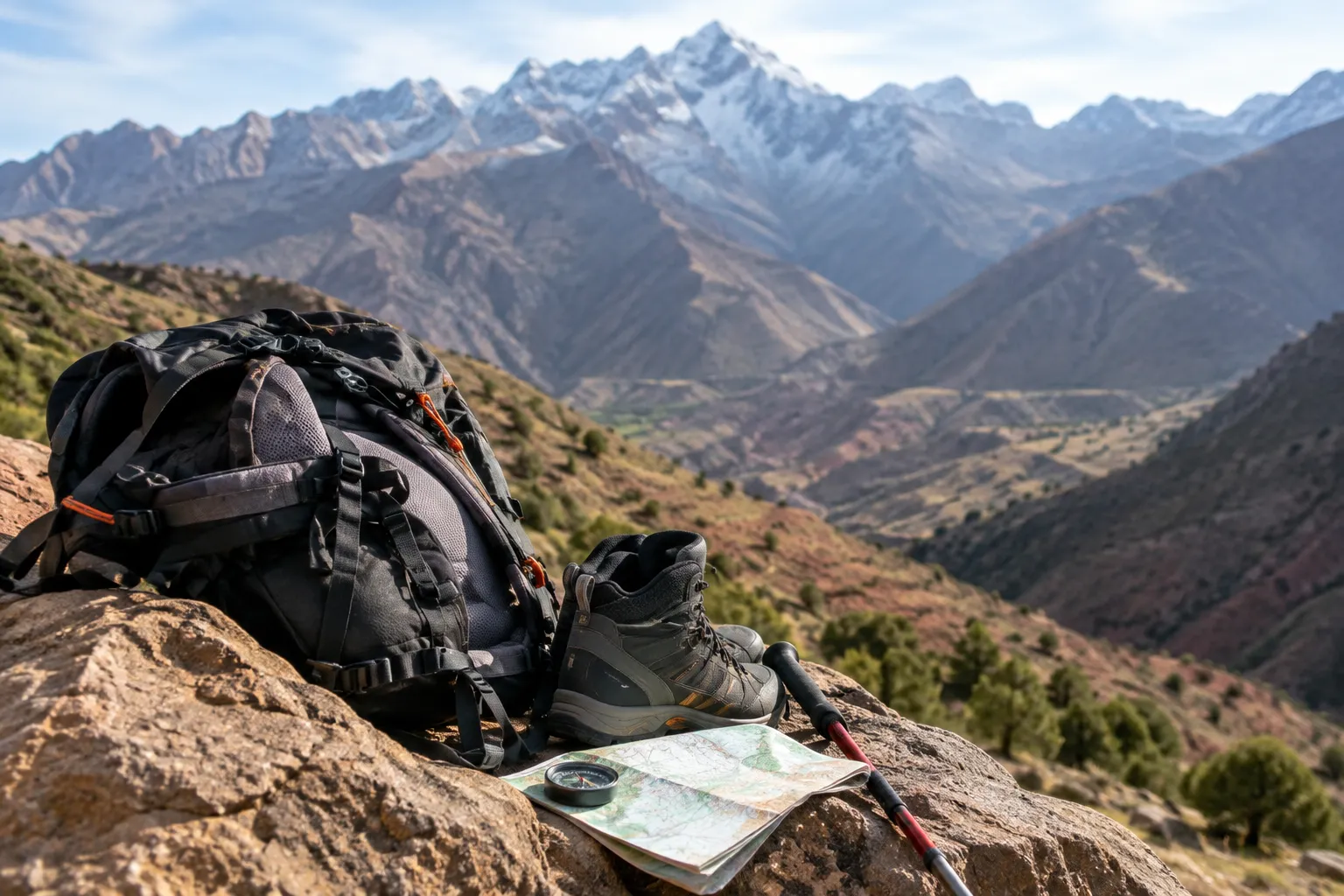
Before choosing among Morocco trekking options, compare:
- Route length and daily walking time: Look beyond the total number of days to understand each day’s workload.
- Altitude and ascent: Ask how high the itinerary goes and how much climbing is involved.
- Terrain: Find out whether the route follows village paths, rough mountain trails or high-altitude ground.
- Village access and overnights: Check where the walk begins and ends, and what accommodation arrangements are included.
- Guide support: Clarify who leads the walk, how the pace is managed and what logistical support is part of the itinerary.
- Group fit: For families or mixed-ability groups, discuss the youngest or least experienced walker when assessing a route.
These questions help separate a scenic valley walk from a more demanding high route. They also make it easier to judge whether a guided itinerary is organised around the group’s needs or simply a fixed schedule.
Common mistakes to avoid
A common error is treating every Atlas itinerary as a summit trek. Another is judging difficulty only by distance, without asking about ascent, altitude and trail conditions. Travellers can also overlook transfer time when comparing Atlas mountain treks from Marrakech, or assume that a cycling itinerary is equivalent to a walking one.
Keep the formats distinct. Trekking days are spent walking; MTB and e-bike days are spent riding, with different equipment, skills and physical demands. If an active holiday combines activities, check how the days are divided rather than assuming one format prepares you for the other.
Atlas mountain treks in practice: how to apply it
Start with the experience you want: a village-focused walk, a base-and-day-hikes approach or a high route. Then compare itineraries using the same questions about daily distance, elevation, access, overnight stops and guide support. For a family or mixed-experience group, agree on a comfortable pace and realistic walking day before settling on a route.
Seasonal reporting also deserves careful interpretation. The Guardian’s 2026 account presents a mountain hotel as a base for hikes, while the Standard’s 2026 feature frames Imlil Valley as a slow-travel destination. These are different ways to structure time in the region, not a universal statement about trail conditions. Check route-specific guidance close to your travel dates and confirm what the itinerary requires.
For more detail on comparing route character and seasonal options, consult our Trail Route Profiles. When asking about guided options, request a clear itinerary, including walking time, elevation, transfers and the support available each day.
FAQ
Is Atlas Mountain hard to climb?
Some Atlas routes are challenging, especially high-altitude summit journeys; village walks may involve less elevation and shorter days. Difficulty depends on ascent, terrain, duration and your fitness and experience.
Atlas mountain treks basics: what should you know first?
Atlas mountain treks range from valley walks to high routes, so check distance, altitude, terrain, access and overnight plans before choosing. Conditions and preparation needs vary by route and season.
Atlas mountain treks options: how do you choose the right one?
Choose by matching daily walking demands and altitude to your group’s experience, then check transfers, accommodation and guide support. For departures from Marrakech, confirm where walking starts.
Atlas mountain treks mistakes: which ones should you avoid?
Avoid choosing by distance or views alone: ask about ascent, terrain, altitude and time on foot. Also distinguish trekking itineraries from cycling days, which have different demands.
Atlas mountain treks in daily use: what should you expect?
Expect walking over the route’s stated terrain, with the day shaped by distance, climbing, pace and stops. Confirm the itinerary and support arrangements rather than assuming all treks follow the same routine.
Atlas mountain treks comparisons: what should you check before deciding?
Compare routes using the same criteria: daily walking time, ascent, altitude, trail character, access, overnights and guiding. Those details show whether a village walk or high route better fits your group.
Recommended next steps
Set your preferred trip length and walking ambition first. Then shortlist routes, check seasonal guidance for your dates and ask for the practical details that determine the day: trailhead access, elevation, walking time, overnight arrangements and guide support. That gives you a clearer basis for comparing Morocco trekking options, including Atlas mountain treks from Marrakech.
Sources
- Hiking on the roof of North Africa: a trek to Morocco’s tallest peak — www.theguardian.com
- What I Wish I Knew Before Visiting the Atlas Mountains — www.muchbetteradventures.com
- Hiking the trails of Morocco's High Atlas Mountains — www.nationalgeographic.com
- The Best Hikes in Morocco's High Atlas Mountains — www.lonelyplanet.com
- Morocco’s Imlil Valley: the ultimate slow travel destination — www.standard.co.uk
- Forget DC, These Are the Best Cherry Blossom Hikes Around the World — www.backpacker.com
Hannah Whitaker is an adventure travel editor with a background in outdoor travel writing and guided cycling trips. She specialises in mountain biking and trekking in Morocco, including routes around Marrakech, the Atlas Mountains and the Sahara. Drawing on local guides’ knowledge, she explains trail conditions, practical preparation and the cultural context of each journey. Her articles help riders assess whether a route suits their ability and plan a rewarding day or multi-day trip.