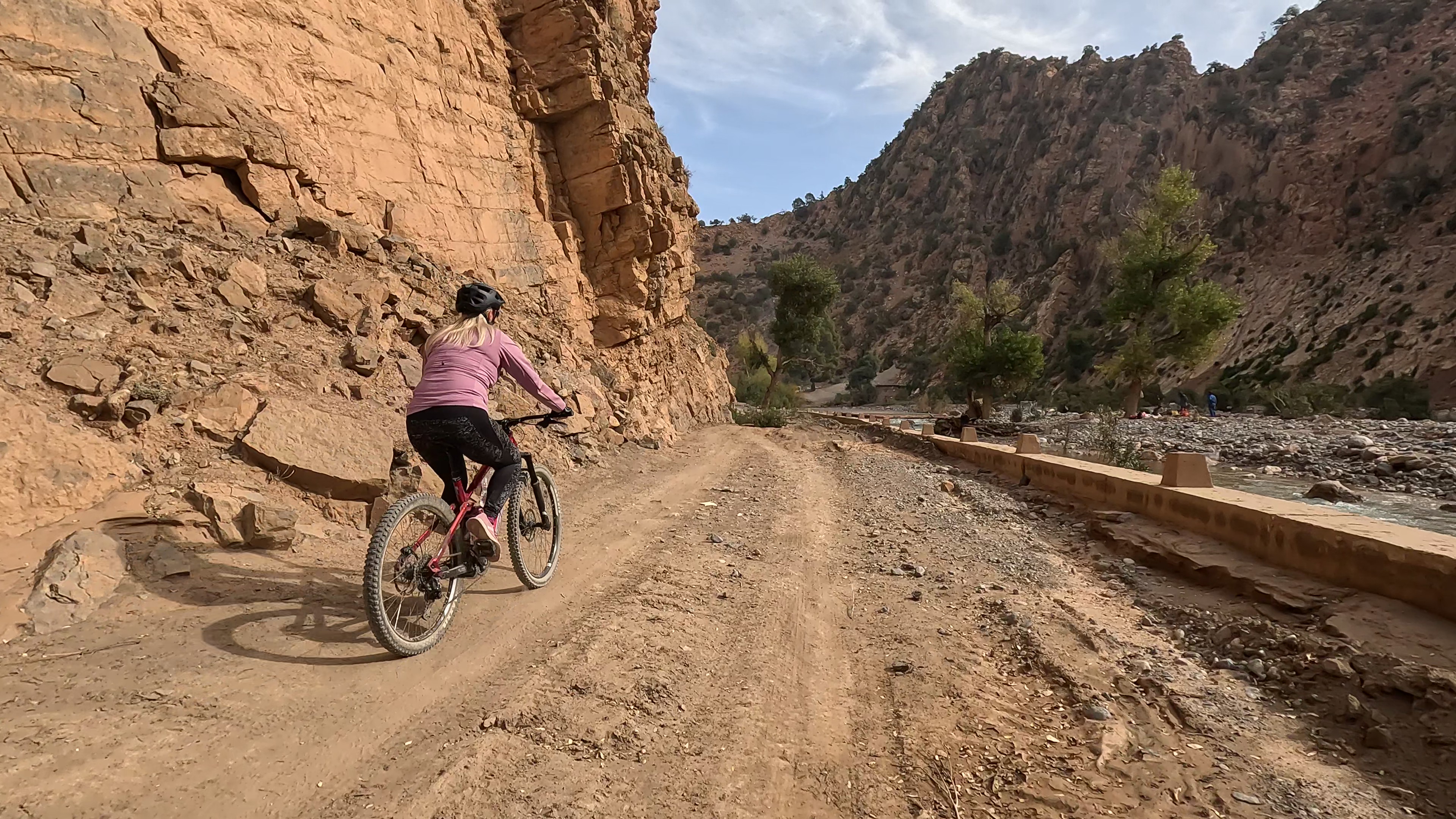
7 On-Trail Signals That Reveal Your Altitude Fitness
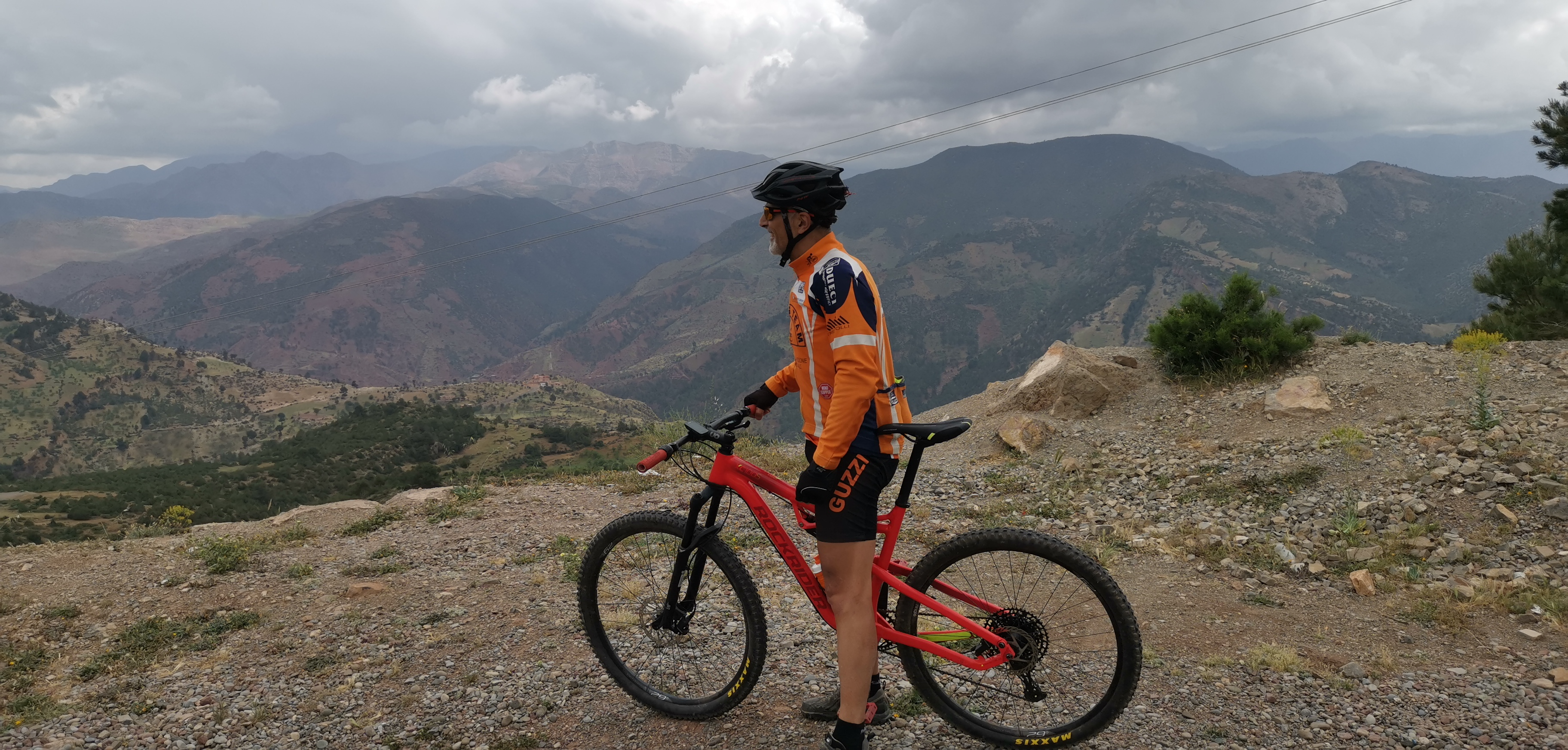
What your body is actually telling you above 2,000 metres — and why sea-level instincts can mislead you
Learn the seven physical warning signs that reveal how your body is coping with altitude, heat, and sustained effort on arid mountain trails. Each signal contrasts what riders normalize at sea level with what it actually means above 2,000 metres.
TL;DR
Your sea-level cues lie at altitude - Thirst, breathing recovery, and leg fatigue all present differently above 2,000 metres. Don't trust the signals you learned at home.
Hydrate by the clock, not by thirst - Aim for 750 to 1,000 ml per hour in hot, dry altitude conditions with electrolytes and carbohydrate, not just water. Thirst arrives too late in arid air.
Slow down before you think you need to - Premature leg heaviness and elevated resting heart rate mean your body is working harder than the terrain suggests. Drop gears early and extend rest stops.
Eat even when you're not hungry - Altitude suppresses appetite while increasing caloric needs. Switch to liquid calories and eat every 30 minutes to avoid a compounding performance collapse.
Monitor mood and focus as body signals - Irritability, apathy, or fragmented concentration on technical sections are physiological warnings, not personality traits. Rest, fuel, and reassess before continuing.
What Your Body Is Telling You Above 2,000 Metres
You've done the long weekend rides. You've climbed hard at home. Then you hit a switchback in the Atlas Mountains at 2,400 metres and your legs feel like they belong to someone else. The air is thin, dry, and warm. Your breathing is off. The trail dust coats your throat. And the signals your body sends you here are not the ones you learned to read at sea level.
Most content about ride preparation focuses on your bike: tire pressure, brake pads, gear ratios. Almost nothing addresses the harder question: are you ready? Assessing your fitness for high-altitude trails requires paying attention to what your body does under stress, not just what your training log says. Hydration for long rides, breathing patterns, muscular fatigue, and cognitive sharpness all behave differently in arid mountain terrain.
This piece is built for the rider who wants to know what to watch for on the trail itself, not in a gym.
Who This Is For and What It Covers
If you're a dedicated mountain biker planning a multi-day ride above 2,000 metres in dry, exposed terrain, this is for you. You train regularly. You've done technical descents. But you may not have ridden at altitude in a hot, arid climate where the rules shift.
This is not a pre-trip training plan. It does not cover bike setup or mechanical preparation. Instead, it covers the seven on-trail signals that reveal whether your body is coping with altitude, heat, and sustained effort. Each one contrasts what you might normalize at sea level with what it actually means when the air thins and the sun bears down.
How These Signals Were Selected
Each signal below meets three criteria: it's observable without equipment, it changes meaningfully at altitude compared to sea level, and it gives you a decision point (continue, adjust pace, or stop). These aren't abstract physiological concepts. They're things you can feel, see, or count while riding.
7 On-Trail Signals That Reveal Your Altitude Fitness
1. Your Breathing Rate Doesn't Settle After a Climb
Why it matters: At sea level, heavy breathing after a steep effort is normal. It recovers within a minute or two. Above 2,000 metres, reduced oxygen pressure means your respiratory rate stays elevated longer. If it doesn't settle within three to four minutes on a flat or gentle section, your body is telling you it's working harder than you think to maintain oxygen delivery.
What it looks like today: Riders often push through sustained heavy breathing, treating it as a sign of effort rather than a sign of insufficient acclimatization. On Atlas Mountain trails, where climbs are followed by brief technical traverses (not long flats), you rarely get the extended recovery window you'd have on a road ride.
How to apply it: After each significant climb, count your breathing cycles for 30 seconds once you've crested. If your rate hasn't dropped noticeably within three minutes, shorten your next effort interval by half. This is a pace problem, not a willpower problem.
2. Your Thirst Arrives Late (or Not at All)
Why it matters: In dry, high-altitude air, you lose moisture through breathing and evaporation far faster than in humid lowland conditions. The dangerous part: the arid air wicks sweat so efficiently that you may not feel wet, so your brain's thirst signal lags behind your actual fluid deficit. GSSI research recommends keeping body mass losses below 2% during exercise, because dehydration becomes more consequential in warm or prolonged effort.
What it looks like today: Many riders rely on thirst as their hydration cue. At altitude in the Atlas, that cue can arrive 20 to 40 minutes too late. By the time you feel thirsty, your performance has already started to erode. Standard cycling guidance suggests about 500 ml per hour in moderate conditions, increasing to 750 to 1,000 ml per hour in heat or at higher intensity.
How to apply it: Set a timed reminder (every 15 minutes) rather than waiting for thirst. Carry electrolyte-enhanced fluid, not just water. As sports nutrition researcher Asker Jeukendrup has emphasized, combining fluid, sodium, and carbohydrate addresses the full picture of what your body loses during sustained effort.
3. Your Legs Feel Heavy Before the Gradient Justifies It
Why it matters: Premature leg heaviness on a moderate gradient (one you'd handle easily at home) signals that your muscles aren't getting enough oxygen to sustain aerobic output. At altitude, your body shifts toward anaerobic metabolism earlier. That heavy, leaden sensation on a 5% grade that you'd barely notice at sea level is a real physiological signal, not a sign of poor fitness.
What it looks like today: Riders often push harder, interpreting the sensation as a mental weakness. In reality, they're burning through glycogen faster and producing more lactate than the same effort would generate at lower elevation. This is compounded in arid conditions where even moderate dehydration can reduce cycling performance by 2 to 3% .
How to apply it: If your legs feel heavy on a grade you'd normally spin up, drop one or two gears immediately. Don't wait to see if it passes. At altitude, pushing through early heaviness compounds the oxygen debt and makes the next 30 minutes significantly worse.
4. Your Concentration Fragments on Technical Sections
Why it matters: Cognitive function is one of the first things altitude degrades, and one of the last things riders monitor. Line choice, brake timing, and obstacle scanning all require sharp focus. When oxygen delivery to your brain drops, you'll notice it as a vague feeling of "not being in the zone" rather than a specific symptom. This is a genuine safety issue on technical Atlas Mountains trails with loose rock and exposure.
What it looks like today: Riders chalk up poor line choices or slow reactions to fatigue or unfamiliar terrain. Sometimes that's true. But if you're making errors on terrain that matches your skill level, altitude-driven cognitive dulling is the more likely explanation.
How to apply it: Use a simple self-check before each technical descent: can you clearly identify your line for the next three obstacles? If you're scanning vaguely rather than picking specific points, stop and rest for five minutes. Eat something with carbohydrate. Your brain runs on glucose, and at altitude, it's competing with your muscles for a limited supply.
5. Your Heart Rate Stays Elevated During Rest Stops
Why it matters: At sea level, your heart rate drops predictably when you stop pedaling. At altitude, your heart compensates for reduced oxygen by beating faster, even at rest. If your resting heart rate during a trail stop is 15 to 20 beats above your normal resting rate, your cardiovascular system is under meaningful altitude stress.
What it looks like today: Most riders don't check heart rate during stops. They check it during effort. But the rest-stop reading is more diagnostic. It tells you how hard your body is working just to maintain baseline function, before you add any pedaling load on top.
How to apply it: Take your pulse (or check your watch) after sitting for three full minutes at a rest stop. Compare it to your known resting heart rate. A 10-beat elevation is normal at altitude. Beyond 20 beats, consider extending your rest, increasing fluid intake, and reducing the intensity of your next segment.
6. Your Appetite Disappears Mid-Ride
Why it matters: Altitude suppresses appetite. This is well-documented and widely ignored. The problem is that your caloric needs don't decrease at altitude. They increase. Your body is working harder to breathe, regulate temperature, and maintain output. When appetite vanishes, riders stop eating. Then they bonk, and the combination of depleted fuel and thin air creates a steep performance collapse. Research on endurance hydration recommends 30 to 60 grams of carbohydrate per hour during prolonged intense exercise.
What it looks like today: At sea level, most experienced riders eat on schedule. At altitude, the schedule breaks because nothing sounds appealing. Solid food becomes harder to chew and swallow in dry air, compounding the problem.
How to apply it: Switch to liquid or semi-liquid calories when appetite drops: gels, drink mixes, or diluted fruit puree. Eat by the clock, not by hunger. Every 30 minutes, consume something, even if it's small. This is one of the most impactful riding comfort improvements you can make at altitude.
7. Your Mood Shifts Without a Clear Reason
Why it matters: Irritability, apathy, or unusual quietness on a group ride can signal early-stage altitude sickness or significant energy depletion. Riders tend to attribute mood changes to personality or trail frustration. But above 2,000 metres, an unexplained mood shift is a physiological signal worth taking seriously.
What it looks like today: On guided rides, experienced leaders watch for this. A rider who was chatty at breakfast but goes silent by mid-morning is showing a pattern. On self-guided rides, nobody catches it. This is one reason why riding with people who know the terrain and the altitude effects matters. On Atlas Mountain Bike trips, local guides are trained to spot these behavioral shifts early, adjusting pace and rest timing before the situation escalates.
How to apply it: If you notice your own mood darkening without a clear external cause, treat it as a body signal. Stop, eat, drink, sit in shade for ten minutes. Ask a riding partner to check in with you. If the feeling persists after 20 minutes of rest and fuel, consider shortening the day's route.
The Pattern Beneath These Signals
Three themes connect every signal on this list. First, altitude makes familiar sensations unreliable. The cues you've trained yourself to read at sea level (thirst, leg fatigue, breathing recovery) all arrive later or present differently above 2,000 metres. Second, most of these signals involve a gap between perceived effort and actual physiological stress. You feel fine, but your body is working 20% harder than the terrain suggests. Third, the fix is almost always the same: slow down, eat, drink, and rest before you think you need to.
These signals aren't independent. Dehydration worsens cognitive function. Poor fueling accelerates heart rate elevation. Ignoring breathing recovery leads to premature leg fatigue. They compound. Treating them as a connected system, rather than isolated problems, is the difference between a hard day and a dangerous one.
Where to Start: Prioritizing What Matters Most
You don't need to monitor all seven signals simultaneously. Start with three: breathing recovery (#1), hydration timing (#2), and appetite management (#6). These are the highest-leverage adjustments because they address the root causes (oxygen, fluid, fuel) that drive the other four signals.
If you're planning a ride in terrain like the Atlas Mountains, where altitude, heat, and technical difficulty combine, consider a guided first experience. Riding with locals who understand the terrain's specific demands, from seasonal dust conditions to water source locations, removes the guesswork. For more practical off-road riding tips specific to Moroccan terrain , build your preparation around the landscape you'll actually encounter, not generic altitude advice written for the Alps.
Frequently Asked Questions
How do I know if I'm fit enough for high-altitude mountain biking?
Pre-trip fitness tests at sea level give you a baseline, but they don't predict altitude response accurately. The most reliable assessment happens on the trail itself. Monitor your breathing recovery, resting heart rate, and cognitive sharpness during the first day at altitude. If your breathing doesn't settle within three to four minutes after a climb, or your resting heart rate is more than 20 beats above normal, your body needs more time to acclimatize before tackling harder segments.
How much water should I drink when cycling at altitude in hot conditions?
Standard guidance recommends 500 ml per hour in moderate conditions, increasing to 750 to 1,000 ml per hour in heat or at higher intensity. At altitude in arid terrain like the Atlas Mountains, err toward the higher end because dry air increases respiratory and evaporative fluid loss. Don't rely on thirst as your cue. Set a timer and drink every 15 minutes, using electrolyte-enhanced fluid rather than plain water.
What are the first signs of altitude sickness while riding?
The earliest signs are often subtle: a persistent headache that doesn't respond to hydration, unusual irritability or apathy, and nausea or loss of appetite. On a bike, you may notice fragmented concentration on technical sections or a sense that your reactions are slightly delayed. These can appear as low as 2,000 metres and don't always correlate with fitness level. If symptoms persist after 20 minutes of rest, food, and fluid, reduce your riding intensity or altitude for the day.
Can I train for altitude at sea level?
You can improve your aerobic base and heat tolerance at sea level, which helps. Interval training, sustained climbs, and riding in warm conditions all build relevant fitness. However, you cannot fully simulate the reduced oxygen pressure of altitude. The physiological adaptations (increased red blood cell production, adjusted breathing patterns) only happen with actual altitude exposure. Plan for at least one to two easier acclimatization days before attempting demanding high-altitude rides.
Why do my legs feel heavier at altitude even on easy gradients?
Reduced oxygen availability forces your muscles to shift toward anaerobic metabolism earlier than they would at sea level. This produces more lactate at lower intensities, creating that heavy, leaden feeling on gradients you'd normally spin up without thinking. The solution is to ride in a lower gear than feels necessary and accept a slower pace. Pushing through early leg heaviness compounds oxygen debt and degrades performance for the rest of the ride.
Is it better to ride guided or self-guided at high altitude?
For your first experience at altitude in unfamiliar terrain, guided rides offer significant safety advantages. Experienced local guides monitor riders for early signs of altitude stress, manage pace based on conditions, and know water sources and bail-out routes. Self-guided rides are viable once you understand how your body responds to altitude and you've developed reliable self-monitoring habits. The terrain-specific knowledge that local guides bring (seasonal conditions, trail hazards, cultural context) is difficult to replicate with research alone.