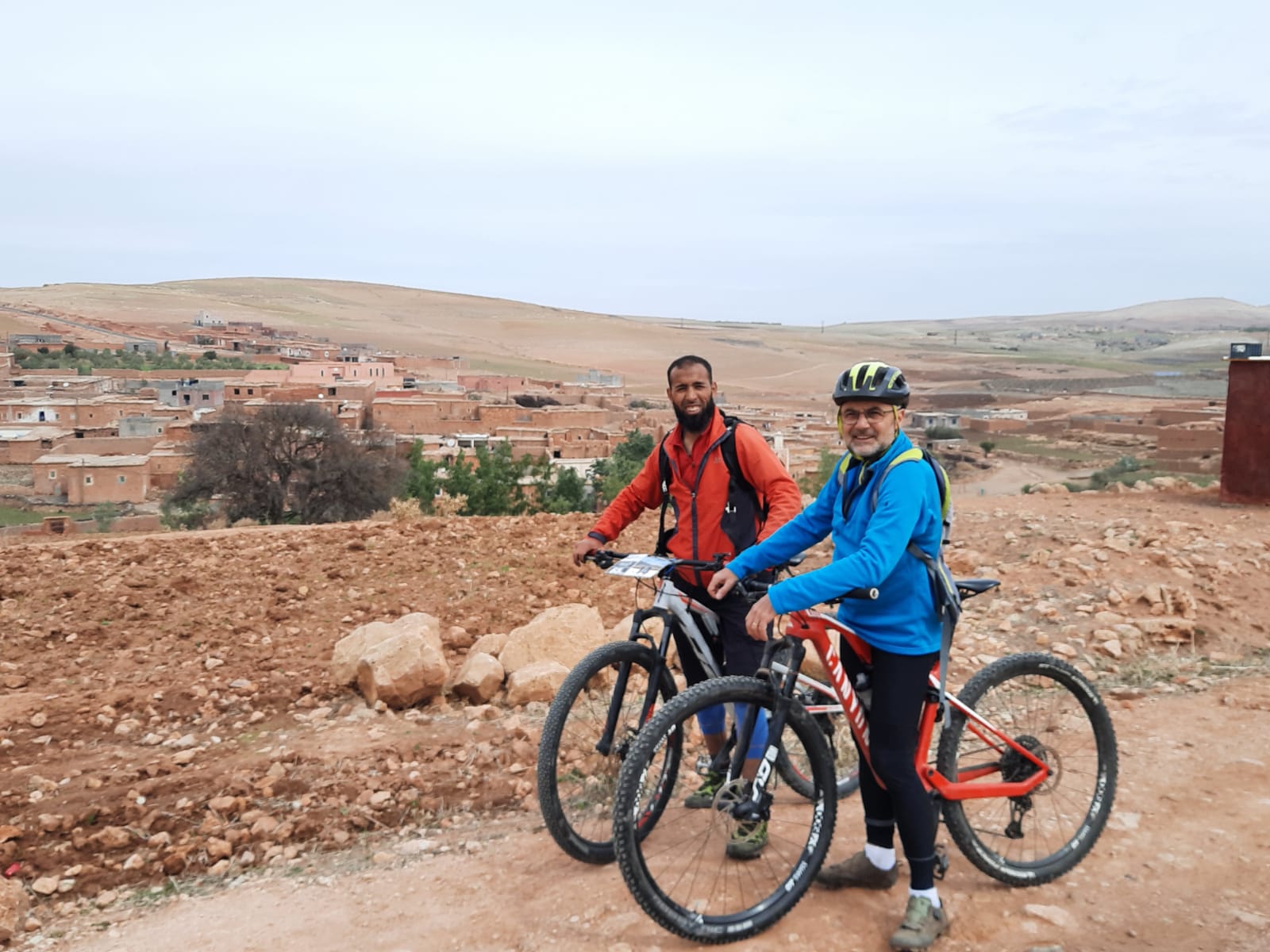
Personalized Trail Recommendations: Beyond the Rating
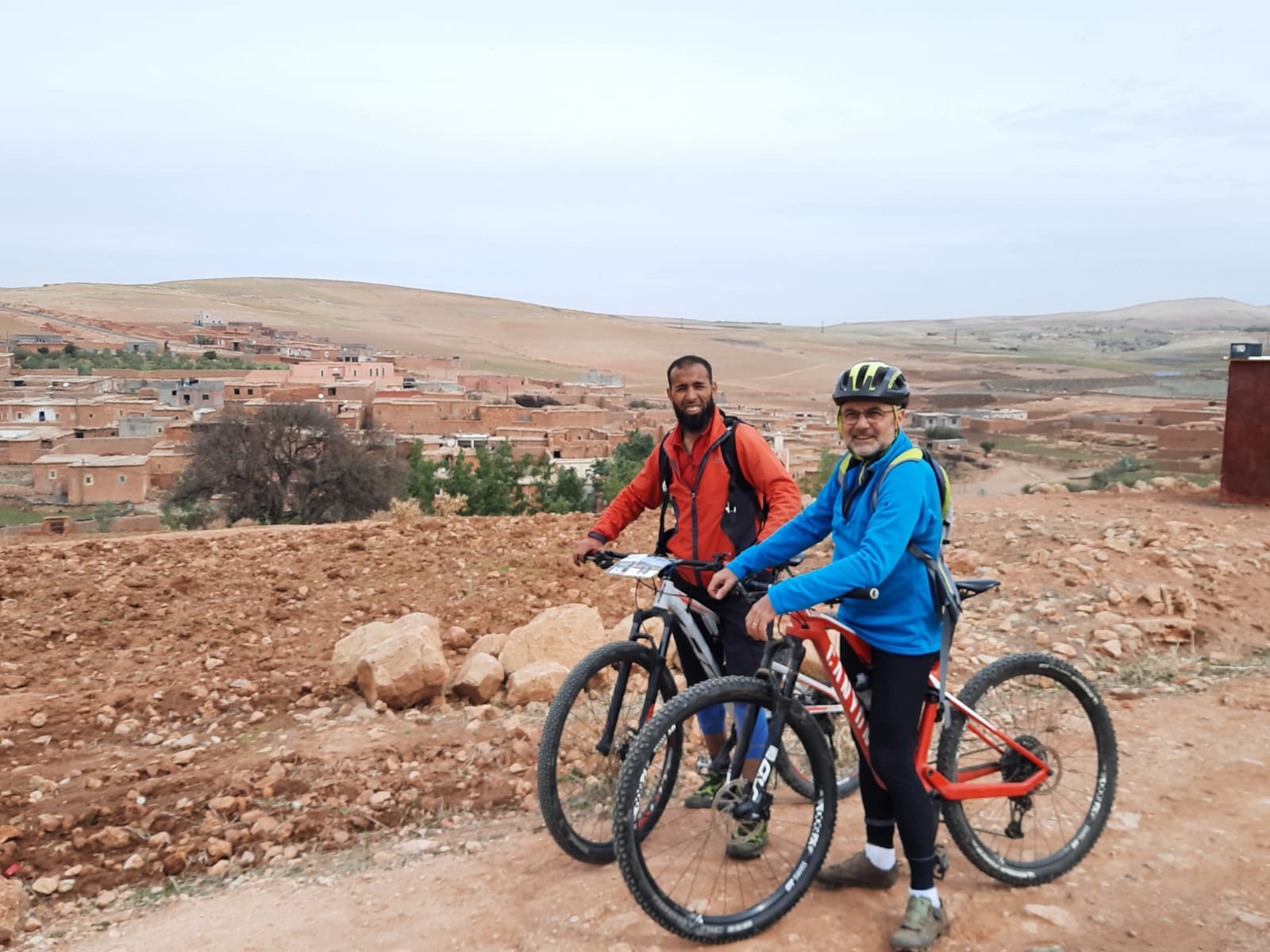
Why endurance trail ratings fail on multi-day trips and how operator intuition fills the gap
Learn why standard trail grading systems break down during multi-day adventure tourism itineraries. This piece explores how personalized trail recommendations must account for cumulative fatigue, group dynamics, and rider context rather than isolated difficulty scores.
TL;DR
Trail ratings describe terrain, not experience - A trail's difficulty changes depending on which day of a multi-day trip it falls on, because cumulative fatigue transforms "moderate" into "brutal."
Itinerary design is editorial, not logistical - The sequence of trails matters more than the individual grade of any single trail. Calibration, loading, recovery, and resolution create the arc of a great trip.
Standardized metrics are measurably unreliable - Popular trail apps underestimate times by up to 69 minutes on average; only personalized models match real-world performance.
Evaluate operators by their sequencing judgment - For travel agents and coordinators, the best indicator of trip quality isn't trail selection but how (and by whom) those trails are ordered day to day.
The Trail Looked Easy on Paper
Every trail has a rating. A number, a color, a grade. And every rating tells you the same thing: how hard this trail is in isolation, on a fresh pair of legs, on a good day. But nobody rides a trail in isolation. You ride it on day three, after two days of climbing through loose rock in the Atlas Mountains, with sunburned shoulders and a group that's starting to split apart on the climbs. That's the gap. Personalized trail recommendations don't start with the trail. They start with the rider, the day, and everything that came before.
The Rating System Everyone Trusts (and Shouldn't)
Trail grading systems like the IMBA and ITRS scales have done real work for the industry. They gave us a shared language. A blue square means something. A black diamond means something else. For a single afternoon ride near home, that's often enough.
The problem is that adventure tourism borrowed this language and applied it to multi-day itineraries, where it quietly falls apart. A "moderate" trail on day one is a completely different experience than the same "moderate" trail on day four. The grade didn't change. The rider did.
And it's not just perception. A 2025 validation study of 25 Italian loop trails found that popular platforms like Komoot underestimated hiking times by nearly 49 minutes on average, while Outdooractive missed by over 69 minutes. Mountain signage wasn't much better. The only model that matched real-world times was one that incorporated individual and trail-specific characteristics. The data is clear: standardized metrics alone are unreliable for planning real trips.
The Turn Nobody Talks About
Here's what we actually believe: an endurance trail rating is meaningless without sequence. The question isn't "how hard is this trail?" It's "how hard is this trail on this day, for this group, after what they rode yesterday?" Itinerary design isn't logistics. It's editorial. And the best editors aren't algorithms. They're guides who ride these trails every week and watch what happens to real people on them.
Why Personalized Trail Recommendations Require Human Sequencing
Let us tell you what we've seen happen, over and over, across years of guiding in the Atlas Mountains.
A group arrives fit and eager. The operator, working from trail grades, stacks the two hardest days at the start, reasoning that riders are freshest. By day three, the group is fractured. The strongest riders are bored by the "easy" recovery day. The rest are too depleted to enjoy it. By day four, the trip coordinator is fielding complaints instead of compliments.
Now contrast that with a different approach. Day one is a calibration ride: moderately technical, not too long, chosen specifically because it reveals how the group actually moves together. Not how they said they'd move on the booking form. How they actually handle loose switchbacks at 2,000 meters with loaded packs. Day two loads them deliberately, with the biggest climb of the trip, but through terrain that rewards the effort with long, flowing descents into valley villages. Day three backs off the intensity but introduces high-altitude exposure where the real challenge is cognitive, not muscular. Day four brings resolution.
This is what we mean by editorial sequencing. It's the same trails, the same grades on paper. But the experience is fundamentally different because the order was designed around cumulative load, not isolated difficulty.
Recent research in Scientific Reports supports this instinct with data: a deep-learning recommender system achieved 0.92 recommendation accuracy and user satisfaction scores of 4.5 out of 5 by factoring in sequence and context, not just destination attributes. The researchers improved route optimization to 0.88, well above models that treated each point of interest independently. Even machines are learning what good guides have always known: order matters more than any single rating.
At Atlas Mountain Bike , guides who ride these trails daily build itineraries around what they observe in real time, adjusting day-to-day based on group energy, weather shifts, and trail conditions that no app can capture. It's not a proprietary algorithm. It's local knowledge applied with intention. For travel agents and adventure coordinators sourcing mountain biking experiences in Morocco , this is the difference between a trip that checks boxes and one that generates the referral.
And here's the part that matters for your business: customer satisfaction in adventure tourism is cumulative, not episodic. A single spectacular trail doesn't save a poorly sequenced trip. But a thoughtfully ordered week, where each day feels like it was placed exactly where it belongs, creates the kind of experience people describe to their friends in detail.
What This Means If You're Building (or Booking) Trips
If sequence matters more than grade, then the way most multi-day trips are sold is backwards. Brochures list trails by difficulty. Itineraries are organized by geography, moving point to point. Recovery days are afterthoughts, slotted in wherever the route allows.
But if this thesis is right, then the first question isn't "which trails?" It's "what arc?" What's the emotional and physical shape of this week? Where does the group need to be challenged, and where do they need to feel effortless flow? When should the scenery do the heavy lifting so the legs can rest?
For travel agents and coordinators, this reframes how you evaluate operator partners. Don't just ask what trails they offer. Ask how they sequence them. Ask what happens when a group arrives less fit than expected. Ask who makes the call to swap day three and day four. The answer tells you everything about whether this operator builds trips or curates experiences. A good starting point is understanding how route sequencing actually works in practice.
A Better Way to Think About Trail Difficulty
Stop thinking of trail difficulty as a fixed property of terrain. Start thinking of it as a relationship between terrain and accumulated fatigue. A trail doesn't have a difficulty. A trail has a difficulty on a given day, for a given group, in a given sequence.
This is the reframe: trail difficulty is not a number. It's a position in a narrative. The same chapter reads differently depending on what came before it. A 1,200-meter climb is triumphant on day two and demoralizing on day four. Not because the mountain changed, but because the story around it did.
When you adopt this lens, everything about itinerary design sharpens. You stop optimizing for individual trail quality and start optimizing for the shape of the whole week.
The Trails Know. The Ratings Don't.
We believe the best adventure tourism isn't built on better data. It's built on better judgment, applied in sequence, by people who know the terrain under their tires. Ratings will keep improving. Algorithms will get smarter. But the question that matters most, "which trail belongs on which day?", will always require someone who has watched a hundred groups ride these mountains and remembers what worked.
That's not a feature you can list on a spec sheet. It's the reason your clients come back.
Frequently Asked Questions
What is the ITRS and how does it assess trails?
The International Trail Rating System classifies trails by technical difficulty and physical demand using standardized criteria. It's useful for comparing individual trails but doesn't account for cumulative fatigue or group dynamics across multi-day itineraries.
Why do trail apps get time estimates wrong?
Most apps rely on generalized pace formulas that ignore individual fitness, altitude acclimatization, and trail surface conditions. Research shows popular platforms can underestimate trail times by 49 to 69 minutes on average, while personalized models nearly eliminate the error.
How can adventure coordinators evaluate whether an operator sequences trips well?
Ask how they decide trail order, what happens when a group's fitness doesn't match expectations, and who has authority to adjust the itinerary mid-trip. Operators who answer with specific protocols, not just trail names, are the ones building experiences that drive referrals.