 12 Nov 2026
 9 min read
The answer to “how long does it take to hike the Atlas Mountains?” ranges from a few hours for a village walk to several days for a trek, depending on the route, ascent and overnight stops. A Mount Toubkal itinerary takes longer than a short walk near Imlil, and travel from Marrakech adds time outside the hike.
How route choice changes your hiking time
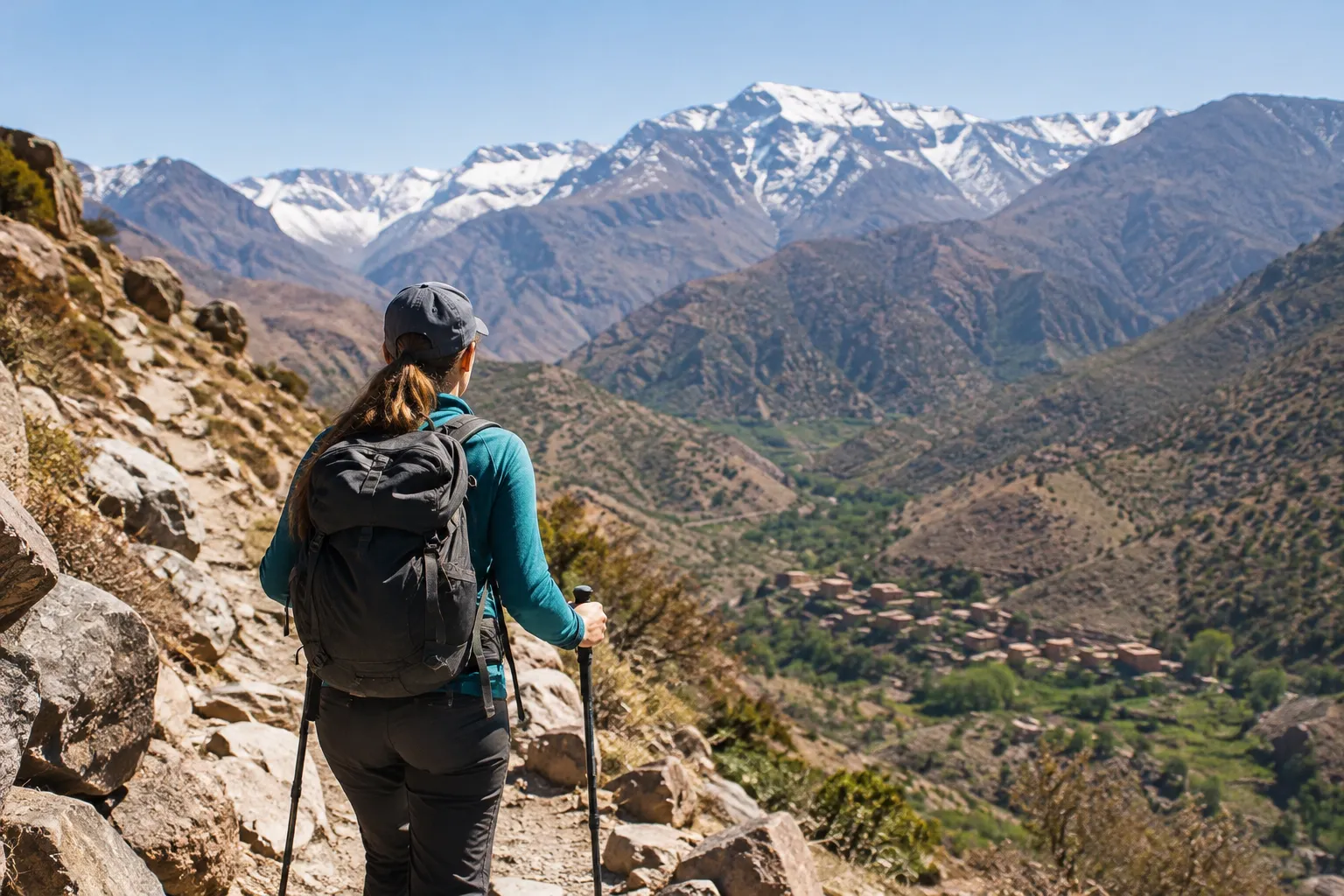
For Atlas Mountain treks, allow a few hours for a short walk, most of a day for a longer route, or multiple days for a trek with overnight stops; distance and climbing determine the difference.
Near Imlil, a village walk may follow paths between settlements and take a few hours, while a full-day route involves more time on the trail and may include a greater ascent. A Mount Toubkal climb is a different undertaking: it involves a high mountain ascent and is generally planned as a multi-day trek rather than a short day walk. Exact durations depend on the route selected and the pace of the group.
| Trek type | Typical time to plan for | What determines the time |
|---|---|---|
| Short walk near Imlil | A few hours | The chosen paths, distance and amount of climbing |
| Full-day hike | Most of a day | Route length, ascent, breaks and walking pace |
| Multi-day trek | Several days | Daily stages, overnight stops and the route’s overall ascent |
| Mount Toubkal trek | Multiple days | The ascent plan, conditions, pace and time allowed to rest |
These are planning categories, not fixed timings for every trail. Two routes that both take a day can feel very different: a shorter route with steep climbing may require more effort than a longer route with gentler gradients. Ask about both distance and ascent when comparing itineraries, rather than judging a hike by hours alone.
The term “morocco trekking” covers everything from an easy village walk to a demanding mountain itinerary. For a useful overview of route types, seasons and preparation, read our guide to Atlas Mountain trekking routes. It can help you narrow down the kind of trek before comparing the time required.
If you are searching for Atlas Mountain treks from Marrakech, keep the hike itself separate from the journey to its starting point. A plan described as a day hike does not mean the whole day is spent walking; transfers and other stops can also shape the day.

A sample four-day trek from Imlil
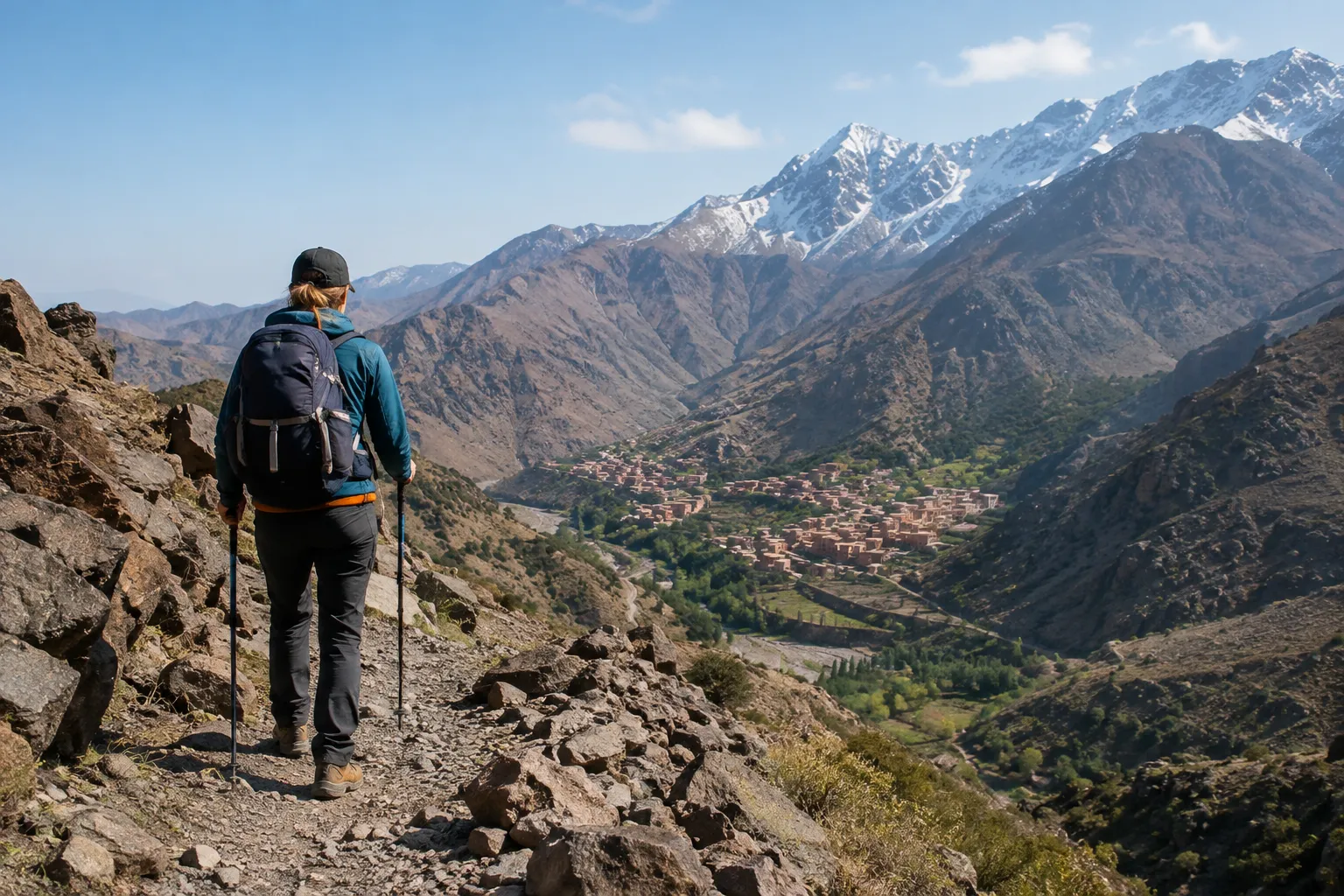
A four-day trek from Imlil gives you several walking days and overnight stops, but the hours and stages should be treated as a sample framework rather than a fixed itinerary.
The outline below shows how four days can be organised without implying that every trek follows the same path. Walking hours are approximate planning ranges, not timings for a particular named route. Actual stages depend on the route, ascent, weather, group pace and arrangements for overnight stays.
| Day | Example structure | Approximate walking time |
|---|---|---|
| 1 | Start near Imlil and walk to the first overnight stop | Around 4–6 hours |
| 2 | Continue along the selected route to another overnight stop | Around 5–7 hours |
| 3 | Walk the next stage, which may include substantial climbing or a high point, then stay overnight | Around 5–8 hours |
| 4 | Complete the return stage towards the route’s finishing point | Around 4–7 hours |
Use these ranges to understand the shape of a multi-day itinerary, not to set a strict arrival time. A route with a sustained climb, for example, may take longer than a day with a more gradual stage. Likewise, a group that takes frequent rests may cover the same route more slowly than a group walking at a steady pace.
A four-day itinerary can also mean different things in practice. Some plans count the first day from the start of walking; others may include time getting to the trailhead. Check what each day includes, where the group sleeps, and whether the last day ends at the original starting point or elsewhere. Those details make it easier to compare one itinerary with another.
For a Mount Toubkal trek, check specifically how the ascent is arranged and how much time the itinerary allows for the climb and return. Do not assume that a four-day plan includes the same route or daily effort as another four-day plan. For Atlas Mountain treks from Marrakech, also check whether the stated four days include travel to and from Imlil or refer only to the trekking stages.
What affects your pace and daily walking hours
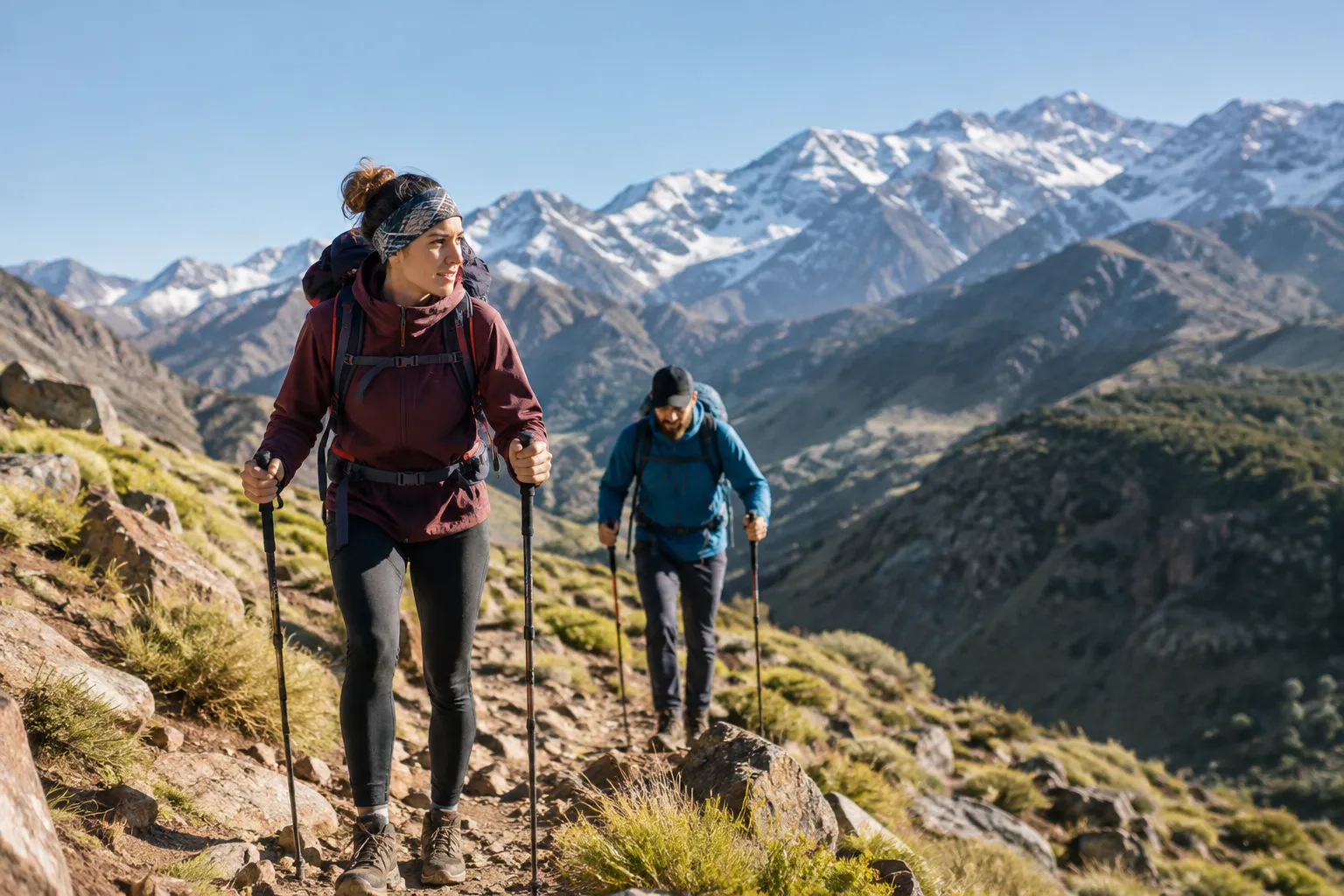
Daily walking hours vary with fitness, acclimatisation, ascent, conditions, breaks and group pace, so the same route can take different amounts of time for different groups.
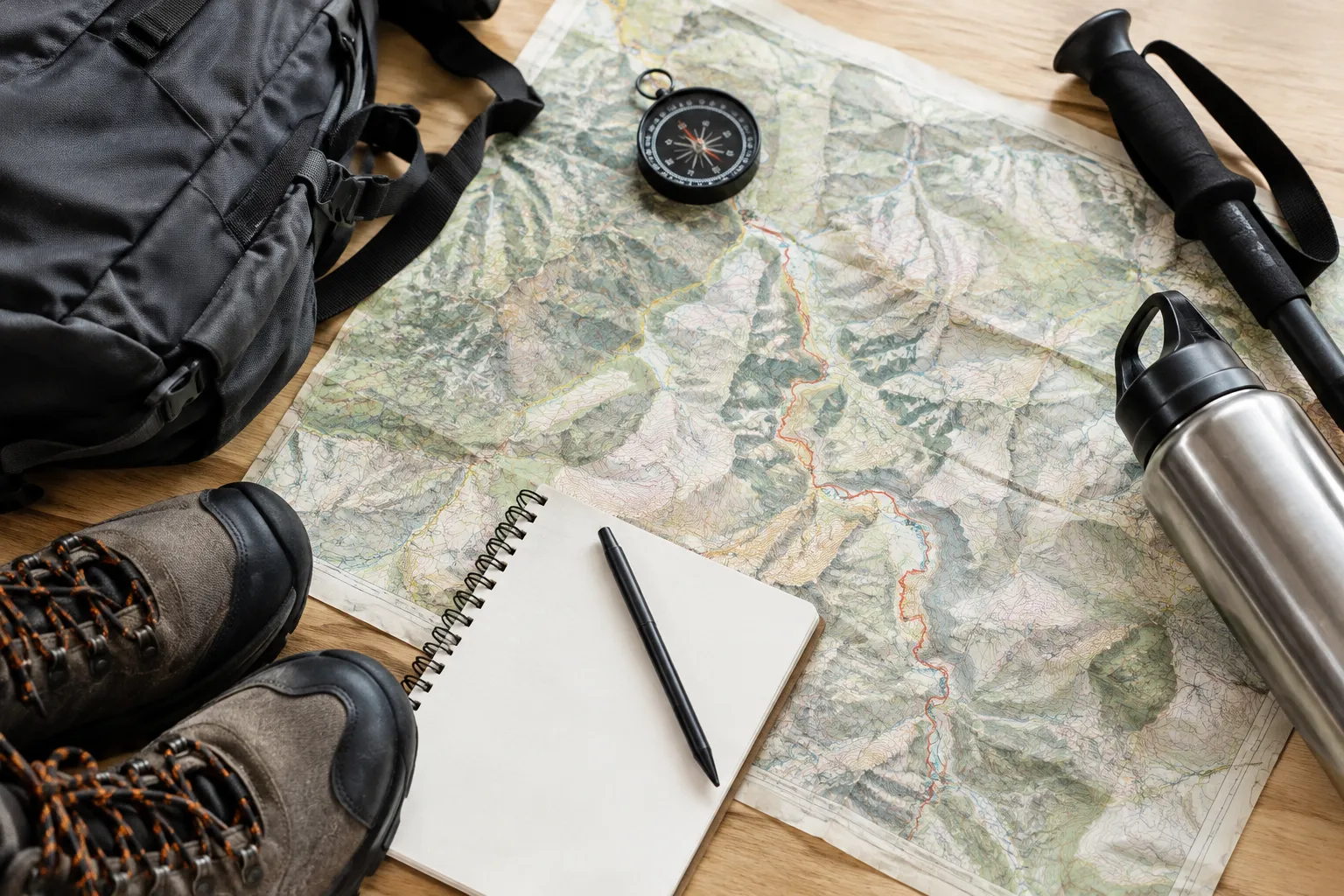
Fitness affects how steadily you can walk, particularly on a long day or a sustained climb. A useful comparison is not simply whether you are used to walking, but whether you have experience with the length and uphill effort of the proposed stages. If you are uncertain, ask for the route’s daily distance and ascent and compare them with hikes you have completed comfortably.
Acclimatisation matters on higher routes. Give yourself time to adjust rather than building a tight schedule around rapid progress uphill. The NHS explains the symptoms and risk-reduction advice for altitude sickness. If you have a health concern about a high-altitude trek, speak with a qualified healthcare professional before choosing an itinerary.
Ascent is as important as distance. A steep route can require more time and effort than a longer route with less climbing. Ask how much uphill walking each day involves, whether the route reaches a high point, and how the descent fits into the day. A long descent can also take time and feel demanding, even when the uphill part is over.
Season and weather can change the pace and the conditions underfoot. The Met Office describes cooler, wetter winters in the wider region and snowfall on higher ground such as the High Atlas in its regional climate report. Conditions on a particular day vary, so check what is expected for your dates and route rather than relying on a general seasonal assumption.
Breaks, group size and the pace set for the day also affect elapsed time. A schedule with regular rests, time for meals or pauses to take in the surroundings will take longer than continuous walking. For a group, a realistic daily plan needs to reflect the pace of the people walking it, not only the time a strong individual might take.
A guide can help explain the route and set expectations for the day, but the itinerary still needs to match the group’s ability and the conditions. Before booking guided morocco trekking, ask how the walking hours are estimated, what happens if the group needs more time, and whether the daily stages can be adjusted. A professional guide or healthcare professional should advise on route planning and altitude concerns for your individual circumstances.
Add Marrakech travel time separately
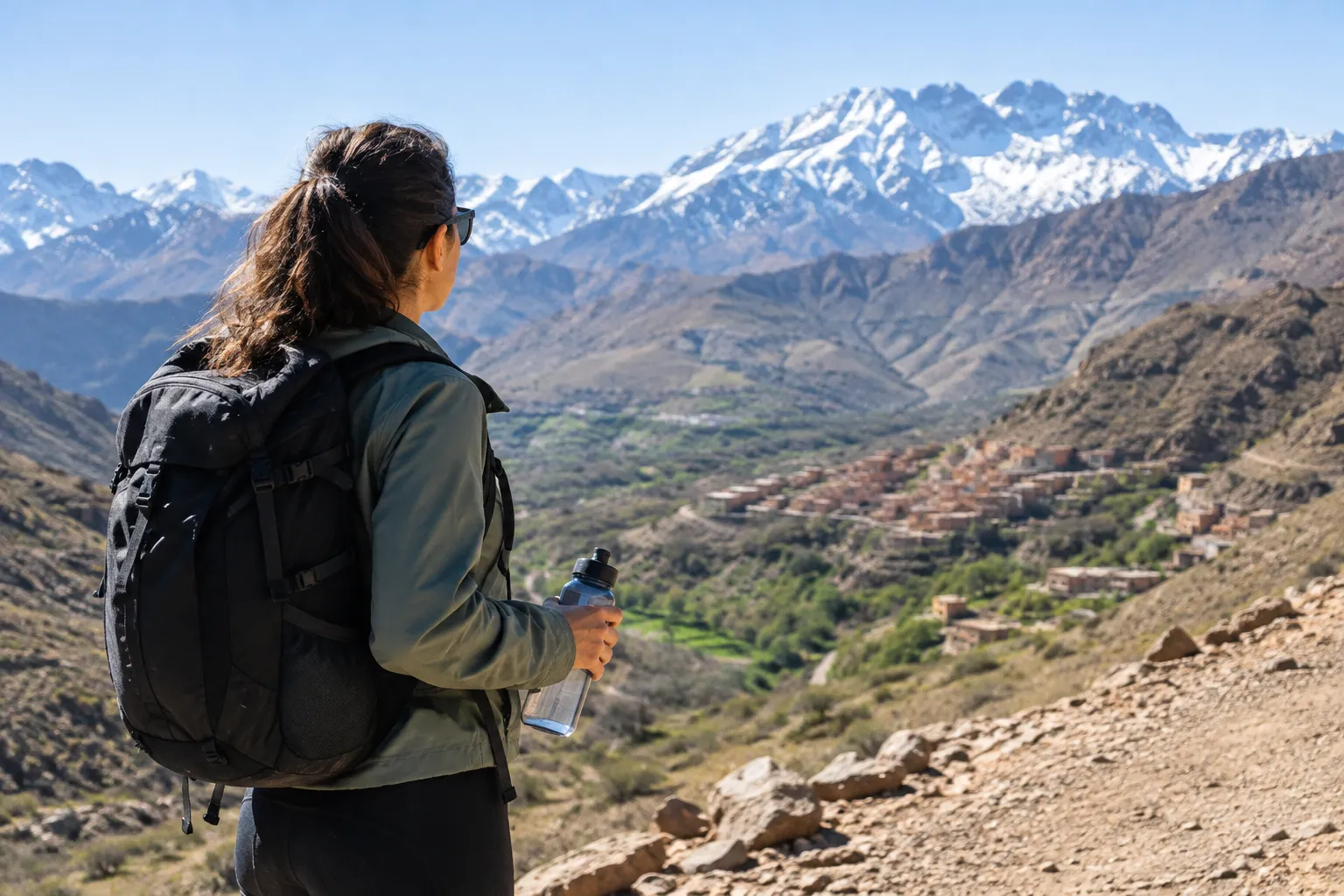
Travel from Marrakech to a trailhead such as Imlil is separate from time on the trail, so include both in your schedule when planning a hike.
For a day trip, think of the day as two parts: the journey to and from the starting point, and the time actually spent walking. If your route is described as a full-day hike, check whether that description refers to the walking stage or the whole day’s plan. This distinction matters when you are deciding whether a day trip fits around other plans in Marrakech.
For a multi-day trek, establish when the walking begins and ends in relation to the transfer. An itinerary may include a journey to Imlil on its first day, while another may begin its stated trekking days after arrival. Check the start and finish points, what the final day involves, and whether you need to allow for travel after the last stage.
Avoid arranging a return journey or another activity too tightly around a predicted trail finish. Walking time can change with ascent, pace, breaks and weather, and the transfer is a separate part of the plan. When comparing Atlas Mountain treks from Marrakech, compare total time away as well as the number of days spent walking.
Choose a trek length that fits your trip
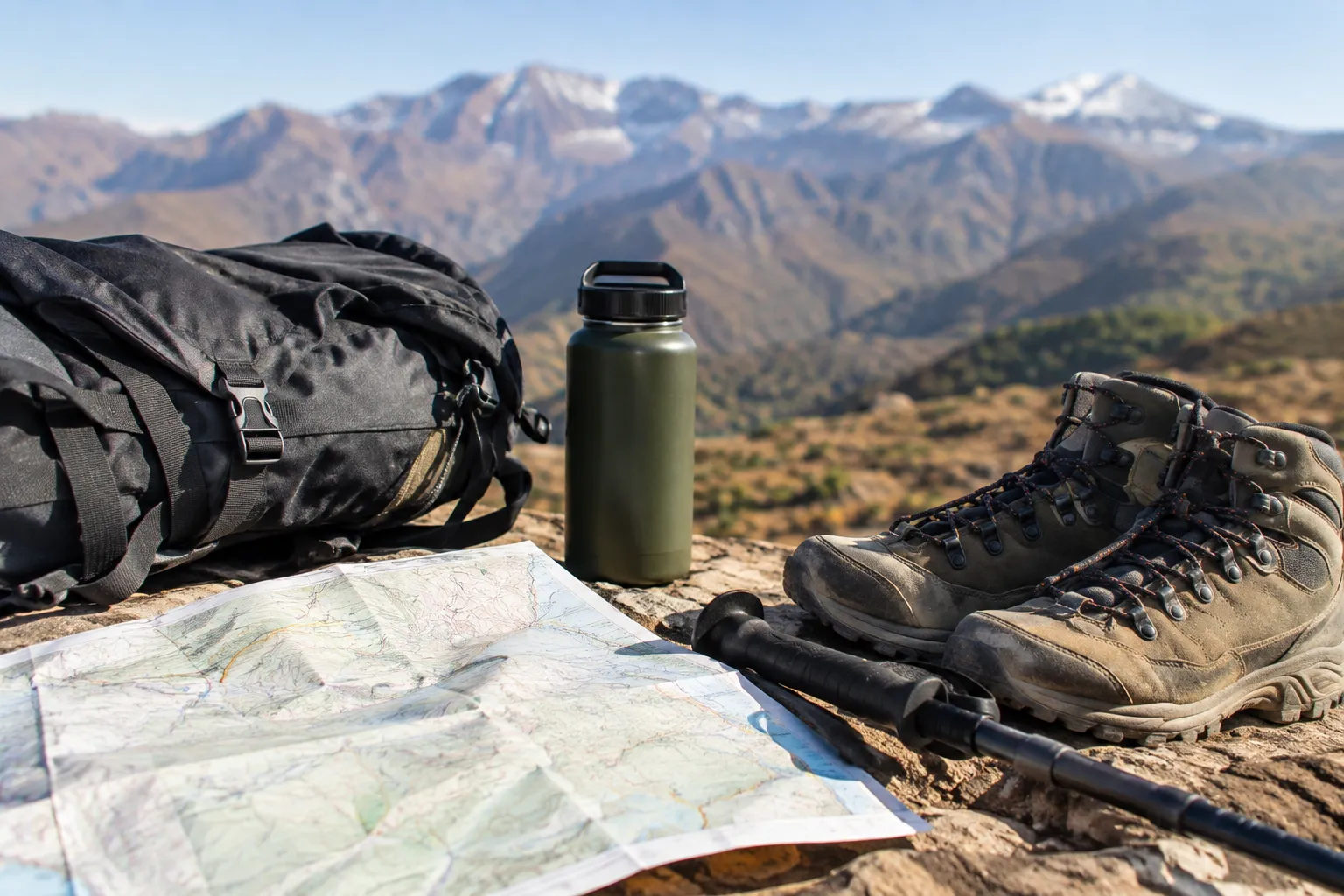
Choose a village walk for a short outing, a full-day hike for a longer day on foot, or a multi-day trek if you want to walk between overnight stops; match the choice to your available time and preferred effort.
Start with the time you can set aside, including travel from Marrakech if you are staying there. Then decide how much of that time you want to spend walking. A few available hours point towards a shorter walk near Imlil; a full day allows a longer route; several days make room for a trek with overnight stops. These are starting points, not guarantees about what any particular route will involve.
Next, compare route effort. Ask about walking hours, distance, ascent and the steepness of the stages. If you are travelling with others, consider the pace and experience of the least confident walker as well as the strongest. That makes it easier to choose an itinerary the group can approach at a steady pace, rather than relying on an ambitious schedule.
Think about the kind of holiday you are planning, too. Atlas Mountain treks focus on walking, while Atlas Mountain Bike’s wider adventures include guided mountain biking and e-bike trips. If you are comparing an active holiday with a walking itinerary, look at the activity, terrain, daily effort and time commitment rather than assuming that one format suits every traveller. A biking trip is not a substitute for a hiking route if your main aim is to walk the mountains.
Before settling on an option, confirm what the duration includes. Ask whether the walking hours are estimates, whether transfers are included in the listed days, where the overnight stops are, and how the plan accounts for changes in pace or conditions. These questions help distinguish a practical itinerary from one that only looks suitable by its total number of days.
Atlas Mountains Hiking FAQ
These answers give general planning guidance; the time for a particular hike depends on its route, ascent, conditions and the people walking it.
How long do most hikes take?
Many day hikes take several hours or most of a day, while multi-day Atlas Mountain treks last several days. The route’s distance and ascent make a substantial difference.
How long does it take to hike Mount Kilimanjaro?
A Mount Kilimanjaro trek commonly takes about five to nine days on the mountain, depending on the route and itinerary. That is separate from travel time to and from the mountain.
Are the Atlas Mountains colder than Marrakech?
Higher parts of the Atlas Mountains can be colder than Marrakech, particularly in winter and on exposed or high ground. The Met Office notes that snowfall occurs on higher ground such as the High Atlas.
Are the Atlas Mountains hard to climb?
Some Atlas Mountain routes are manageable walks, while steep climbs and high-altitude treks demand greater fitness and preparation. Judge difficulty by the route’s ascent, distance and daily stages, not its name alone.
Recommended next steps
Choose your route by comparing available days, walking effort and travel arrangements, then confirm the itinerary details before you commit.
- Decide how many days you can set aside for walking, keeping travel to and from the trailhead separate.
- Choose whether you want a village walk, a full-day hike or a multi-day trek.
- Compare candidate routes by their walking hours, distance, ascent, overnight stops and highest point.
- Match the daily stages to your group’s walking experience, preferred pace and need for rest.
- Check the season, expected conditions and transfer arrangements for your chosen dates.
- Use our guide to planning Atlas treks to compare route types and preparation needs, then confirm what the itinerary includes.