 21 Nov 2026
 8 min read
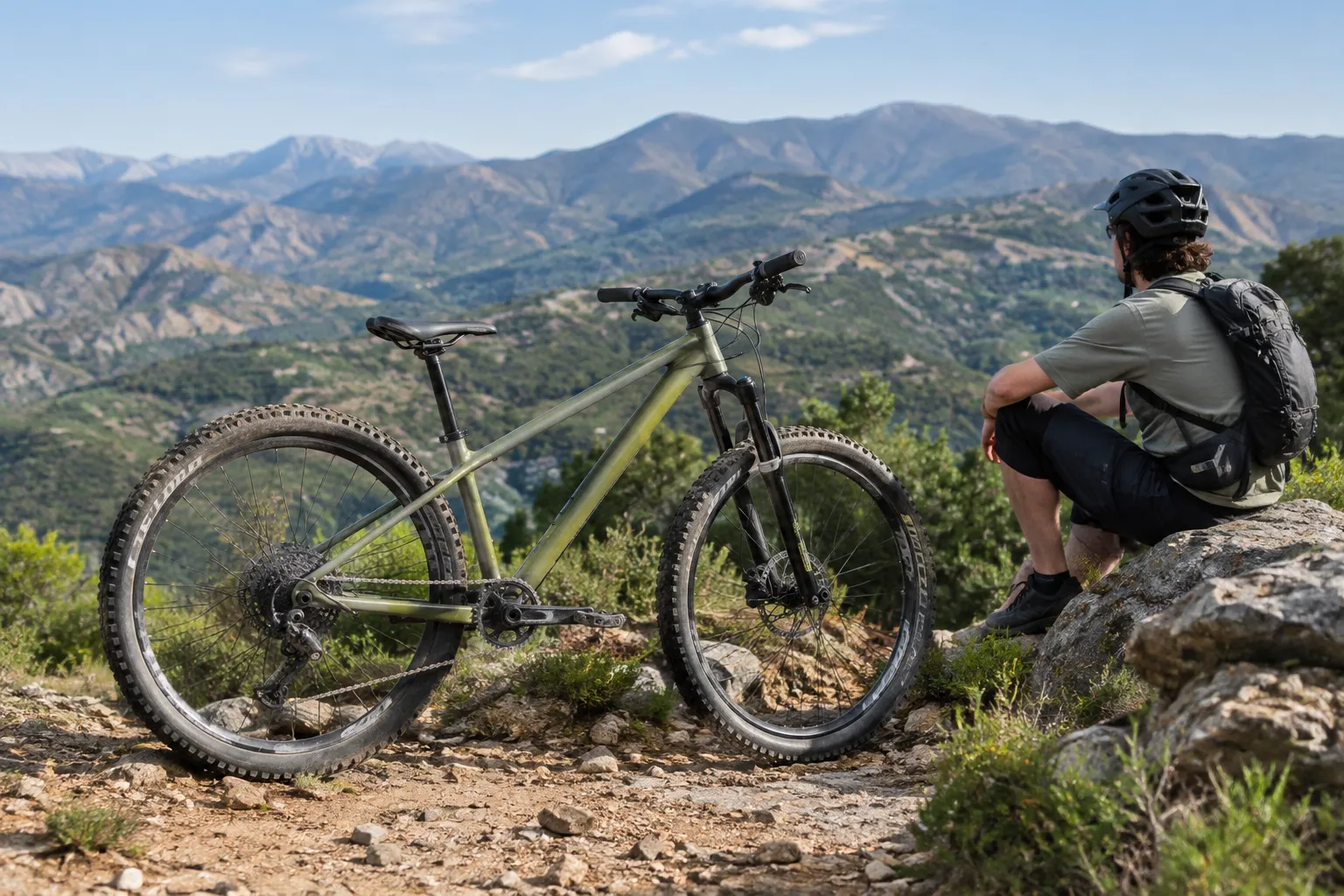
The best budget mountain bike in the UK depends on your fit, budget and terrain; there is no single winner for every rider. For many people, a well-fitting hardtail is a practical starting point, with more money best spent on dependable brakes and suitable components rather than rear suspension they may not need.
What to look for in a budget mountain bike
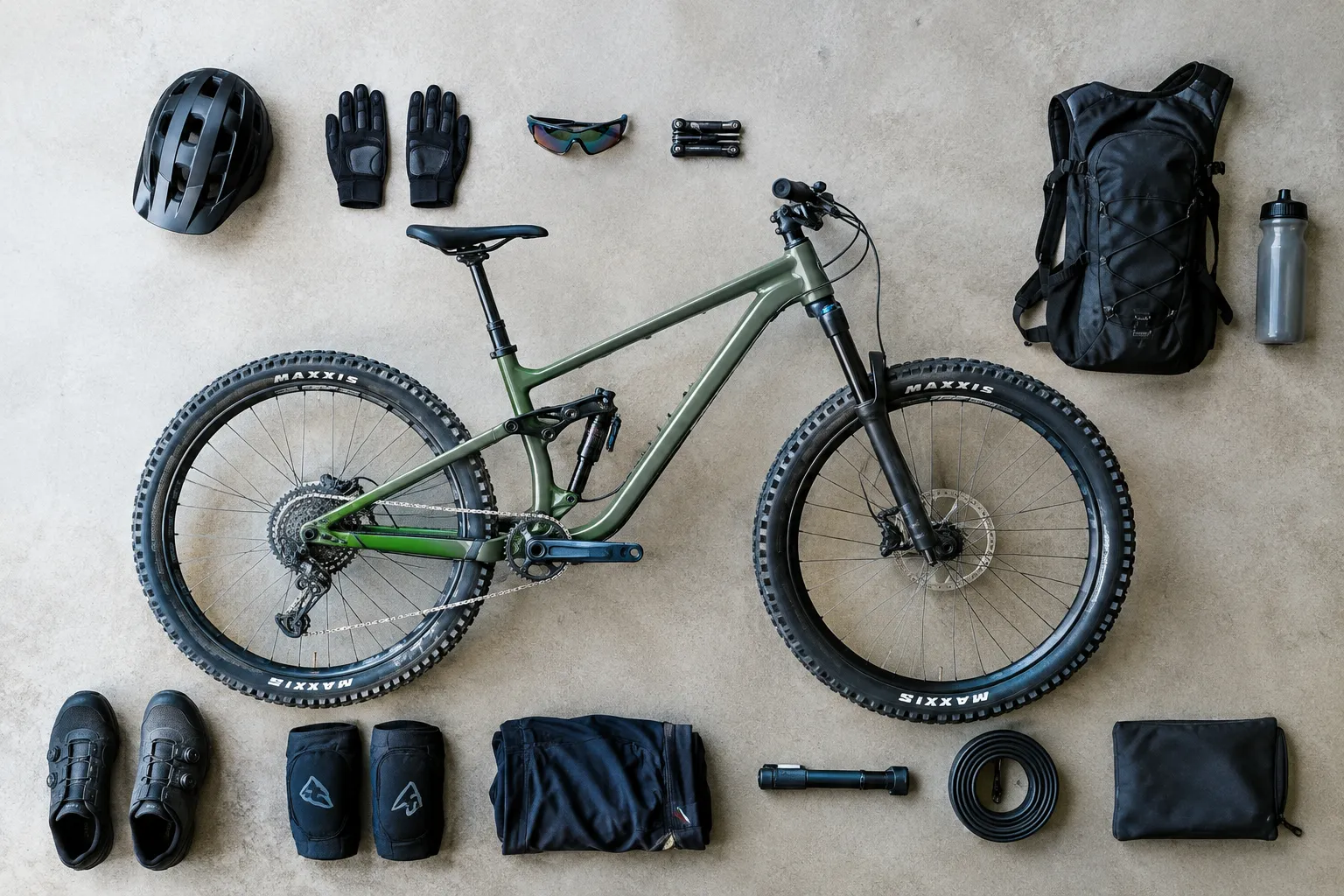
For a budget mountain bike, prioritise a frame that fits, brakes you can control and components suited to the trails you plan to ride. A hardtail often makes more sense than a cheaply equipped full-suspension bike for general use.
Start with fit. Check the manufacturer’s size guide against your height and, where available, your measurements; then try the bike if you can. You should be able to reach the bars and controls comfortably, stand over the frame with appropriate clearance, and operate the brakes without straining. A bike that feels awkward is a poor choice even if its specification looks impressive.
Next, consider the frame and the parts that affect control and upkeep:
- Frame: Check the material, size range and intended riding category on the product page. Look for a frame that matches your use, rather than assuming a more aggressive-looking design is automatically more capable.
- Brakes: Confirm the brake type and whether the levers feel easy to reach and operate. Reliable braking matters when a route includes steep or loose sections.
- Gearing: Compare the available range with the climbs and descents you expect. For varied terrain, you need gears that let you pedal steadily uphill and keep control on the way down.
- Suspension: A front suspension fork can help manage rougher ground, but check what the product description says about its intended use and maintenance. A hardtail has no rear suspension to maintain.
- Tyres and contact points: Check the tyre type and width, saddle and handlebar position. These affect comfort and control, and may be relevant if you intend to ride for several hours.
For a trip abroad, evaluate the bike against the actual itinerary, not just familiar local paths. A guided ride around Imlil or in the High Atlas may involve different terrain and climbing from a local trail; ask the tour operator what bike type and riding experience the route calls for. Our MTB basics and setup guide covers the fundamentals to consider before setting out.
Budget mountain bike options by price and riding style
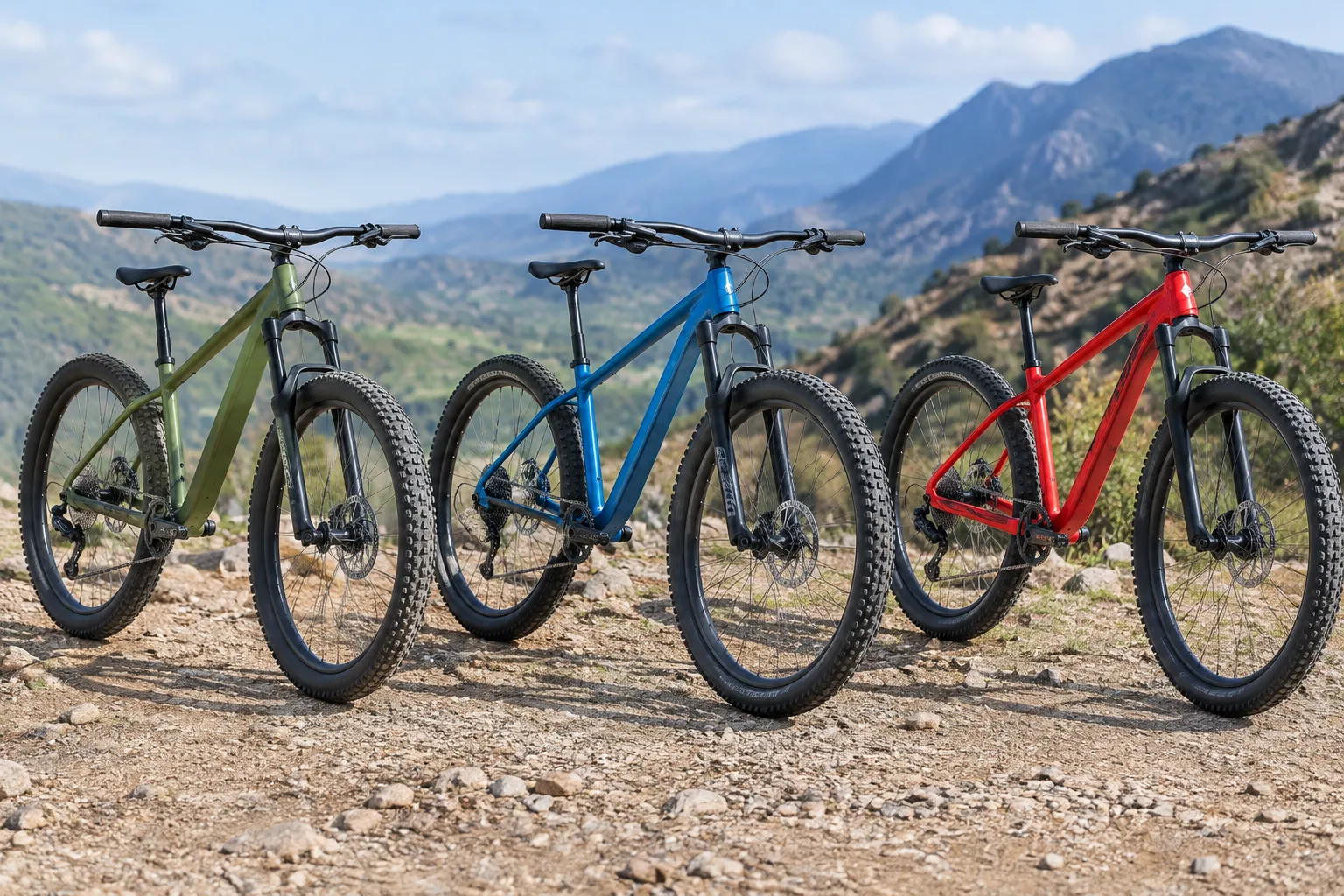
Under £500, focus on a correctly sized hardtail for paths and light trails; closer to £1,000, compare better-equipped hardtails for regular trail riding. These are budget bands, not promises about the specification of any particular model.
| Budget and category | Best fit | Main advantage | Trade-off to check |
|---|---|---|---|
| Under £500: simple hardtail | Local paths and light trails | Straightforward choice for starting out | Component quality and rough-trail suitability vary |
| Under £1,000: better-equipped hardtail | More regular trail riding | More budget may allow stronger braking and more trail-ready parts | Check the exact specification; the price alone does not establish capability |
| Second-hand bike | Riders seeking a different specification for their spend | May offer a higher-level component mix than a new bike at the same budget | Condition, fit and maintenance history need careful checking |
Simple hardtails for local paths and light trails
A simple hardtail may suit a new rider or someone who expects to ride mainly on paths, bridleways and less demanding trails. It can also be a sensible way to find out whether you enjoy mountain biking before spending more.
At this level, inspect the component list rather than relying on labels such as “MTB” or “trail”. Check the brakes, gearing and fork details, and confirm the bike’s stated use. If you expect repeated rides on rough, steep trails, a model intended mainly for light use may feel limiting. The right budget option is the one whose stated purpose matches your real routes, not the one with the boldest description.
Better-equipped hardtails for regular trail riding
If you plan to ride more often or tackle more varied trails, compare hardtails under £1,000 for improvements in braking, gearing and other trail-ready components. Those upgrades may matter more in practice than adding rear suspension to a bike with compromises elsewhere.
Read the full specification and note the exact components on the model and size you intend to buy. Compare how the brakes are described, what gearing the bike uses and what kind of riding the manufacturer recommends. For riders considering a guided mountain-bike trip in Morocco, ask about the route’s terrain and difficulty before choosing a bike; an appropriate local hardtail is not automatically the right match for every itinerary.
Second-hand bikes for more specification on a budget
A used bike may suit you if its fit and condition are right and its specification better matches your intended riding than a new bike in the same price range. The trade-off is that you need to assess wear and maintenance rather than relying on a new-bike description.
Check the frame and fork for visible damage, and ask about the bike’s servicing and repair history. Inspect the brakes, gears, tyres and suspension for wear or faults, and make sure each part works as intended. Confirm the frame size and test the bike if possible. If you cannot assess its condition confidently, ask a qualified bicycle mechanic to inspect it before you buy; their advice can be specific to that bike.
How hardtails compare with full-suspension bikes on a budget
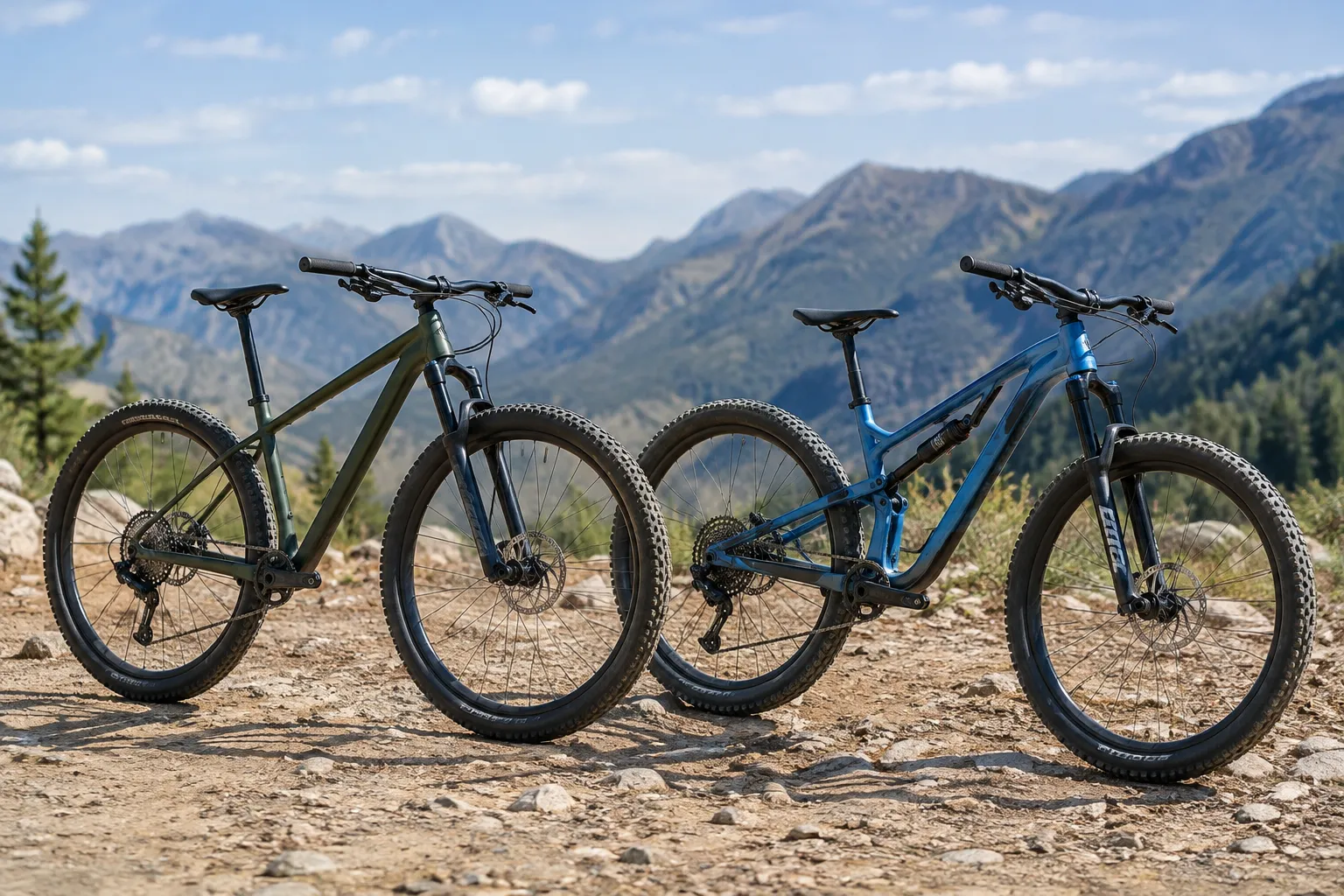
A hardtail is usually the more straightforward budget choice, while full suspension may offer more comfort and control on rough terrain but adds complexity and cost. The better fit depends on where you ride and what you can afford to maintain.
A hardtail has front suspension and a rigid rear end. With fewer suspension components, it is generally simpler to maintain, and a budget can go towards the fork, brakes and gearing. It may suit riders on smoother trails, local paths and mixed routes, including those who want one bike for a range of less demanding riding.
A full-suspension bike has suspension at both ends. Rear suspension can help on rougher trails by allowing the rear wheel to move over impacts, which may make the ride feel more composed. But a tight budget can mean compromises elsewhere, and the additional suspension parts need care. Compare the complete specification and intended use rather than assuming that two suspension units make a bike a better buy.
Before paying extra for full suspension, consider the proportion of your riding that will be on rough, technical ground. If that is where you expect to spend most of your time, it may be worth comparing suitable full-suspension options and their maintenance needs. For paths and lighter trails, a well-chosen hardtail may be the more practical use of your budget. Our mountain biking basics explain how riding style and bike setup affect the choice.
Choose a bike that fits your budget and next ride
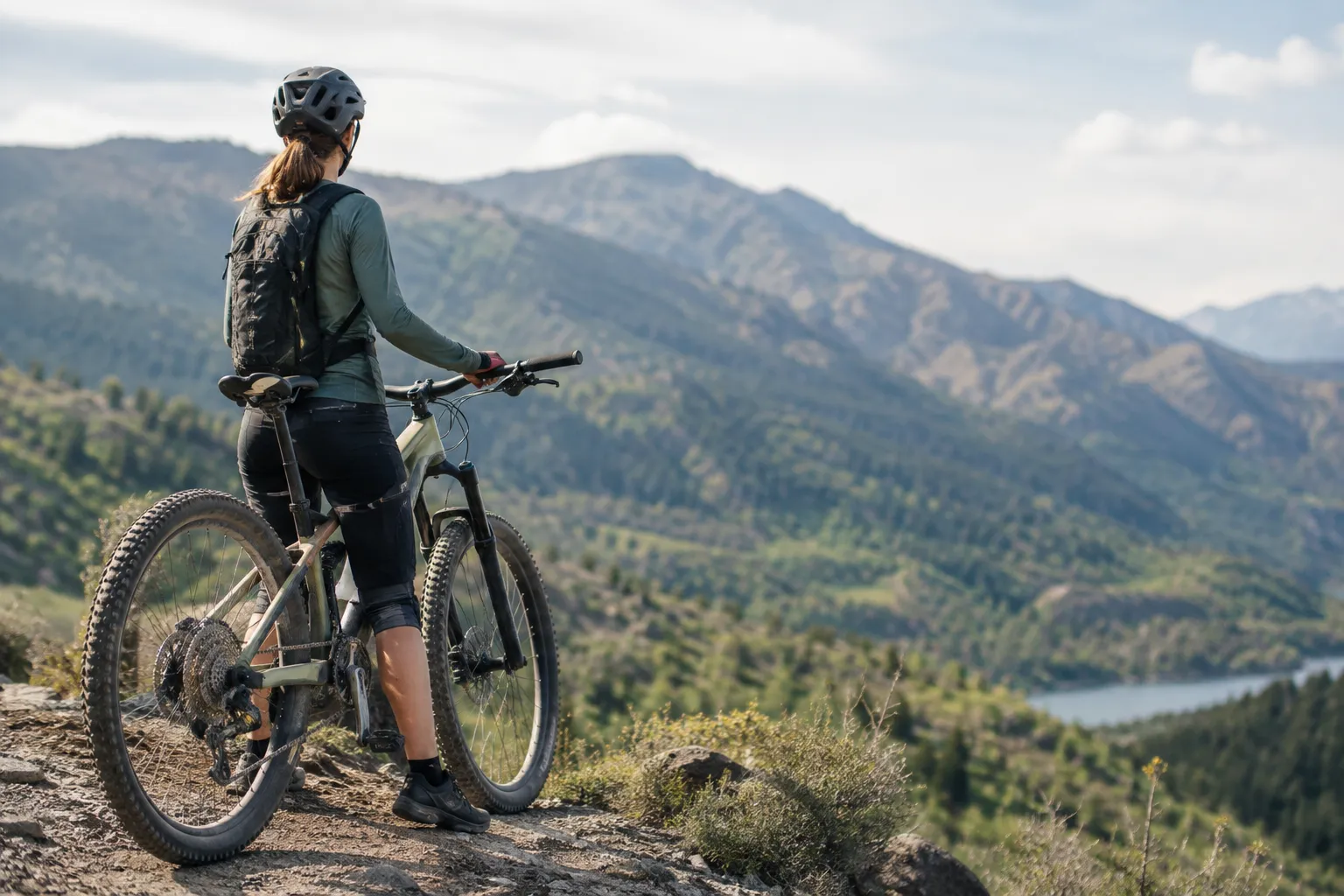
Choose the bike that fits your body, your most common terrain and your ongoing budget, then check whether it suits any planned off-road trip. That is a more useful decision than choosing by price or suspension alone.
Use the routes you expect to ride most often as your starting point. A bike for local paths does not need to be selected on the assumption that you will regularly ride demanding singletrack. Conversely, if you plan to tackle steep, rough trails, check the bike’s stated riding category and components closely before deciding that an entry-level model is enough.
If Morocco is part of your plans, find out what the guided route involves before buying for the trip. Atlas Mountain Bike offers guided mountain biking and e-bike adventures across Morocco, centred on Marrakech and the Atlas Mountains, including multi-day MTB trips and day rides. Routes and riding formats differ, so consider the terrain, expected effort and your own experience when discussing an itinerary. Our Morocco mountain biking information is a useful place to start planning the riding side of the decision.
A final check before buying can prevent a mismatch: verify the size, read the complete specification, check the intended use, and compare the maintenance needs with the budget you have set aside. For a high-altitude ride, consult a qualified professional about your own health and preparation; general bike-buying advice cannot assess individual fitness for altitude.
Budget Mountain Bike FAQs
What is the cheapest mountain bike in the world?
There is no single dependable answer, because prices and specifications vary by country, seller and model. For a UK purchase, compare the complete specification, fit and intended use rather than choosing by the lowest listed price alone.
What is the best full suspension mountain bike in the UK?
There is no universal best full-suspension bike for every UK rider. Choose by fit, intended terrain, complete specification and the maintenance you are prepared to handle within your budget.
Is it worth getting a full suspension mountain bike?
It can be worthwhile if you regularly ride rough terrain where rear suspension suits your needs. For paths and lighter trails, a hardtail may leave more of your budget for other components and be simpler to maintain.
How much should a decent mountain bike cost?
A useful starting comparison is a simple hardtail under £500 for light trails and a better-equipped hardtail under £1,000 for more regular riding. The right spend depends on fit, components, terrain and condition.
What is the lifespan of a mountain bike?
A mountain bike has no fixed lifespan: its frame, components and condition depend on use, care, storage and repairs. Inspect wear regularly and follow the manufacturer’s maintenance guidance rather than replacing it on an assumed schedule.
Recommended next steps
Make your shortlist by matching fit, terrain and specification to your spending limit, then check the bike itself before buying. Take these steps in order:
- Write down the trails you expect to ride most often and whether they are smooth, mixed or rough.
- Set a total spending limit that includes any essential setup or maintenance.
- Compare hardtails under £500 with better-equipped options under £1,000, checking the full component list rather than the category label.
- Check the manufacturer’s size guide and try the frame if possible before choosing a size.
- Inspect a second-hand bike’s fit, wear, maintenance history and overall condition, and arrange a mechanic’s assessment if you are unsure.
- Ask about the route and bike requirements before booking an off-road trip abroad, then choose a bike that suits both your experience and the riding you plan to do.