 4 Nov 2026
 9 min read
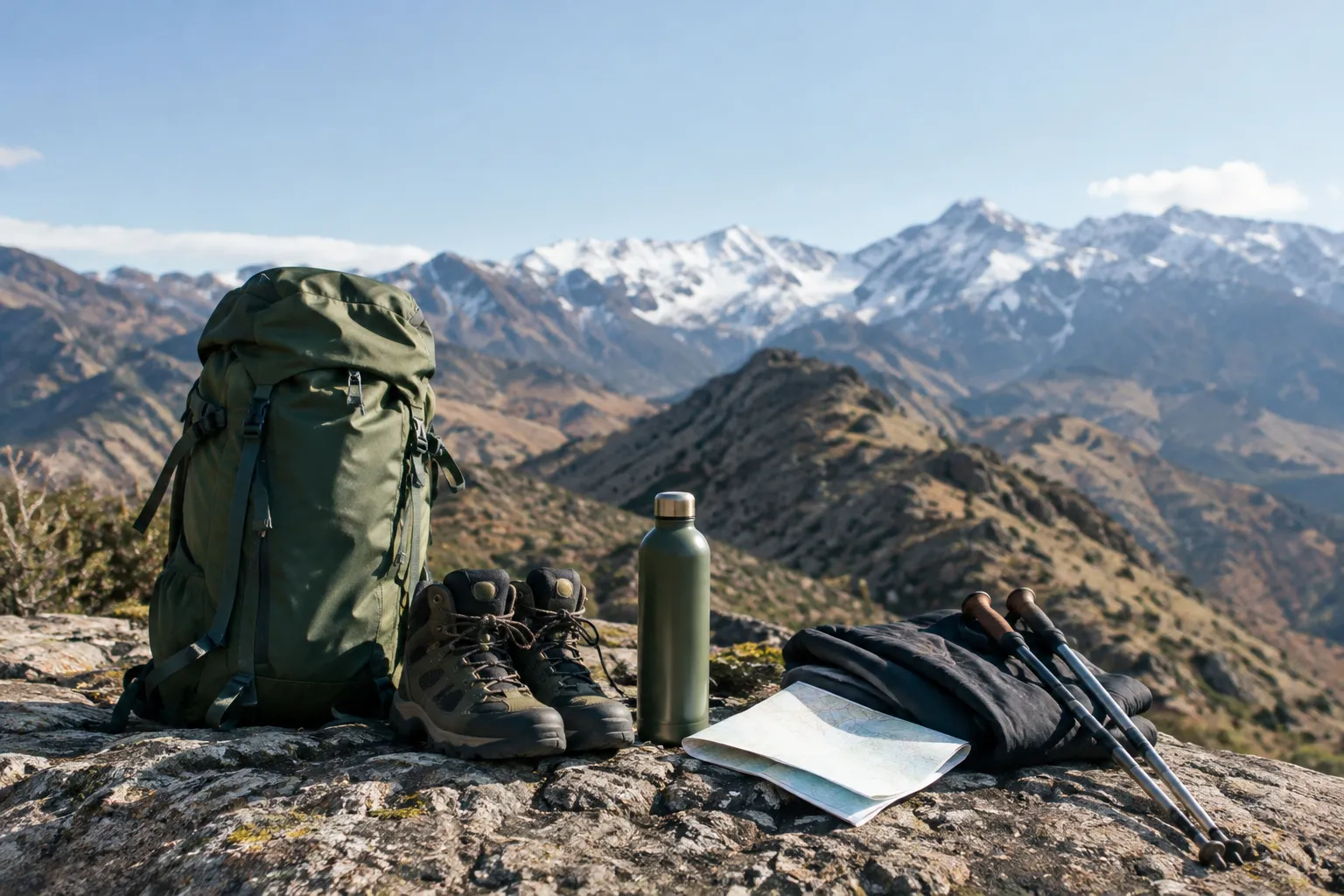
A useful trek kit is a small set of clothing and equipment chosen for your route, time outside and overnight plans—not a fixed checklist for every walk. In the Atlas Mountains, prepare for changing temperatures, strong sun and uneven ground, then pack only what your itinerary requires.
For a quick starting point, think in four groups: layers for shifting conditions, secure footwear, water and personal essentials, and extra items for nights away. If your plans combine trekking with riding, keep the two activities distinct when packing: a walking route and a mountain-bike route call for different footwear and equipment. Our Atlas Mountain Bike site offers a starting point for exploring the riding side of an active trip.
Choose trek kit around your Atlas route
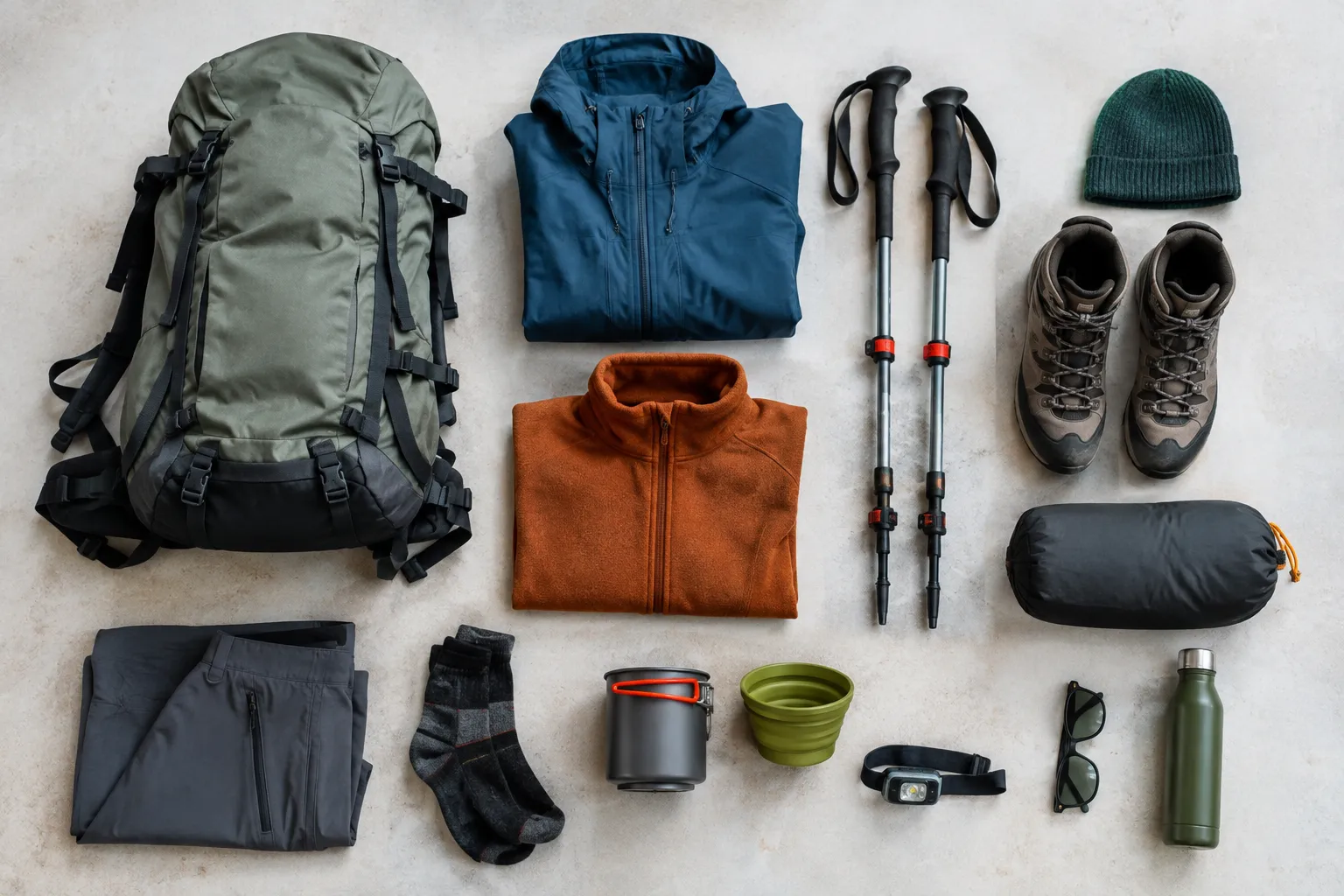
Choose your trek kit by matching it to the route’s height, season, duration, exposure and trail surface; a short valley walk and a longer high route do not need the same load.
Before packing for atlas mountain treks, find out how long you will walk, how much of the route is exposed, and whether the itinerary includes steep or rocky sections. A guided morocco trekking itinerary may have different arrangements from an independent walk, so ask what support and equipment are included rather than assuming. The same checks help when comparing morocco hiking trips: route details are more useful than a generic packing list.
Plan for changing temperatures and strong sun
Pack for both walking warmth and cooler pauses: a breathable layer for movement, a removable warm layer and a light outer layer give you options without carrying several bulky outfits.
Conditions can feel different between a sheltered valley, an exposed slope and a higher section. The High Atlas can also have cooler, wetter winter conditions and snowfall on higher ground, as described in the Met Office’s regional climate report. Check the forecast close to departure, but do not treat a warm start in Marrakech as a reliable guide to conditions on a mountain route.
Sun protection matters even when the air feels cool. A hat, sunglasses and sunscreen are practical basics for exposed walking. If the route may bring wind or rain, make sure your outer layer is easy to reach rather than buried at the bottom of your pack.
Match your kit to trail length and terrain
A short valley walk generally calls for a lighter load than a long or high route, where more time outside and rougher ground make spare warmth and essentials more useful.
For a brief walk near Imlil, prioritise comfortable footwear, water, sun protection and a layer for a change in conditions. On a longer route, consider whether you will need extra food, a warmer layer, navigation information or supplies for minor problems. Rocky, dusty and steep paths place different demands on your footing than a smooth track, so choose shoes with a secure fit and grip suited to the ground described by your guide.
Ask about the route’s expected duration, elevation changes, surface and access to rest points. Those answers help you decide what is essential, rather than adding equipment simply because it appears on a broad trekking list. If your plans also include a mountain-bike trip in Morocco, check whether walking and riding are separate days or part of a combined itinerary before deciding what equipment to carry between activities.

Wear layers that stay comfortable on the trail
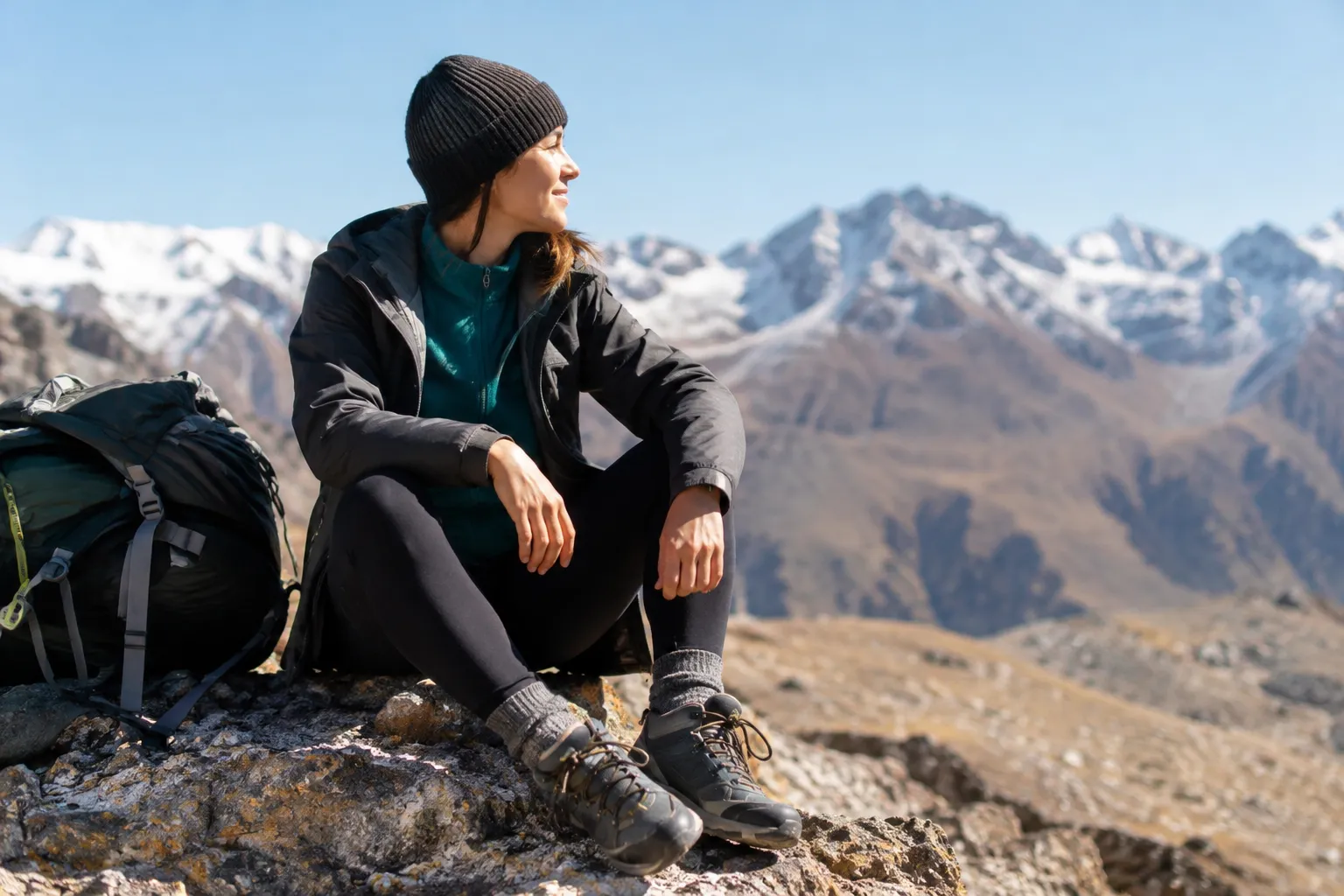
Wear a flexible set of layers that lets you adjust as you walk, stop or encounter changing weather, rather than relying on one heavy garment.
Choose clothing for movement and easy adjustment. For morocco trekking, the useful question is whether you can add or remove a layer without interrupting your walk. A comfortable system also avoids carrying several near-identical garments that serve the same purpose.
Build a flexible clothing system
A breathable base layer, a removable insulating layer and a lightweight weather-resistant outer layer make a practical starting point for changing effort and conditions.
The base layer sits next to your skin, so choose one that feels comfortable during sustained movement. Add a warm layer for cooler starts, higher ground or pauses, then keep a weather-resistant layer available if wind or rain is possible. The right combination depends on the forecast, route and your own comfort; test the layers together before travelling so you know they allow free movement.
Trousers should be comfortable when stepping up, bending and walking on uneven ground. Avoid taking several complete outfits for a single day unless the conditions or itinerary make a change necessary. For multi-day atlas mountain treks, plan a small rotation rather than packing a fresh full set for every day.
Protect your feet on uneven paths
Choose well-fitting walking footwear with suitable grip, and wear it on walks before departure so you can identify rubbing or pressure points before a longer route.
A shoe that feels fine indoors may become uncomfortable after hours on rocky or dusty paths. Check that your heel does not slip excessively and that your toes have room when walking downhill. Socks should fit without bunching inside the shoe; bring a spare pair if the day is long or conditions could leave your feet damp.
There is no single footwear choice for every route. A short, straightforward walk may not require the same support as a steep or extended route. Ask about the surface and gradient, then choose footwear that you have already worn comfortably. Avoid making new shoes your first choice for a full day on the trail.
Cover up for sun, wind and changing conditions
Carry head and eye protection, plus sunscreen, and use clothing coverage that you can adjust as the route moves between exposed and sheltered ground.
A brimmed hat or cap can shade your head, while sunglasses help with bright conditions. Apply sunscreen according to its label and keep it accessible for reapplication as directed. A light long-sleeved top can provide more coverage without requiring a second heavy layer. If wind is forecast, a neck covering or light outer layer may be more useful than extra warm clothing.
Pack the trek kit you will actually use
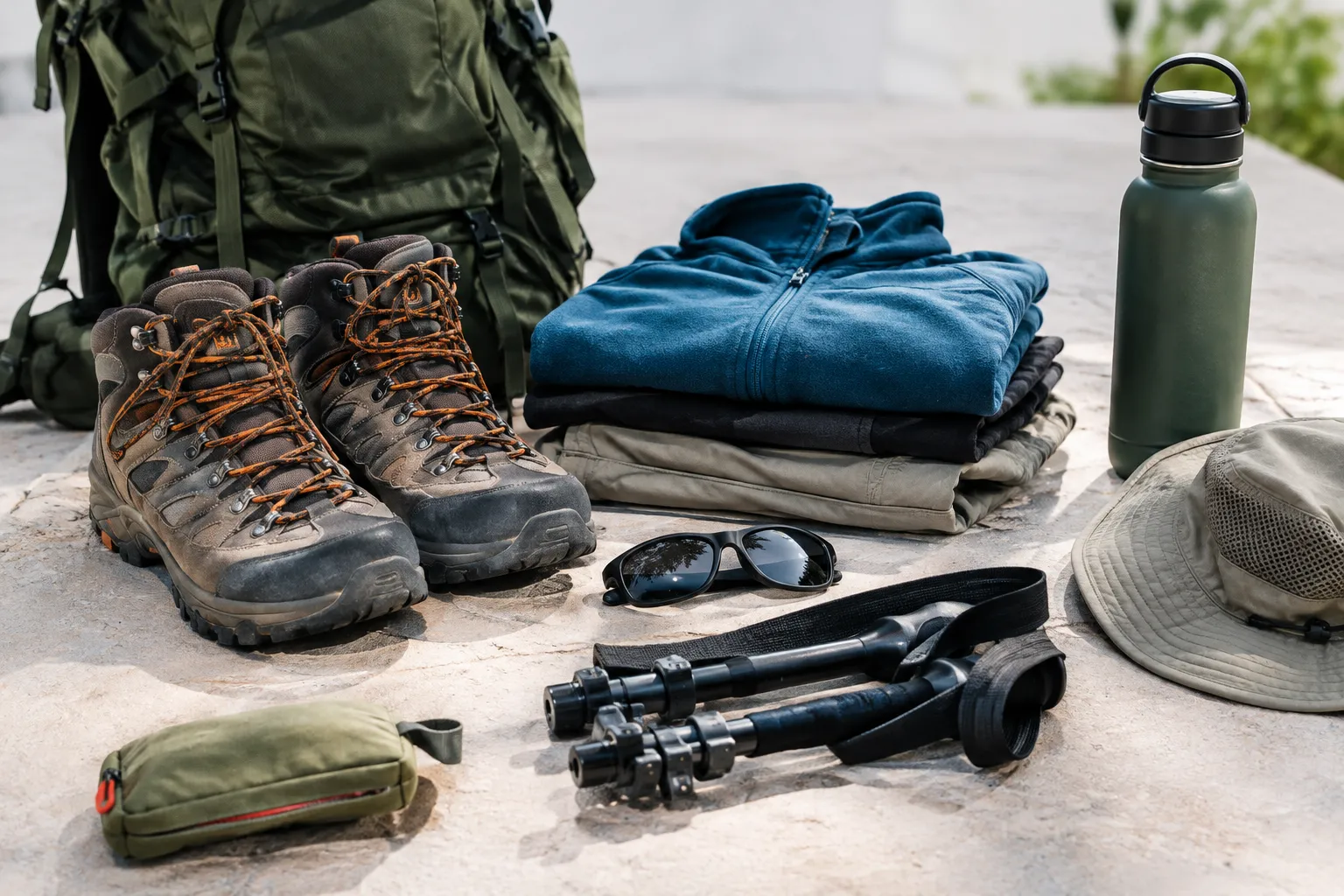
Pack water, food and personal essentials first, then add only the clothing and route-specific items that the walk’s length and conditions call for.
A well-chosen trek kit balances readiness with a load you can carry comfortably. For both atlas mountain treks and shorter morocco hiking trips, sort items by how soon you may need them: quick-access essentials should not be hidden beneath spare clothes.
Carry water, snacks and basic trail essentials
Bring enough water and food for the planned time outside, along with sun protection, a small first-aid supply and any navigation information needed for your route.
Ask your guide or trip organiser about water access, food arrangements and whether you should carry route notes or a map. Do not assume that supplies will be available along every section. Choose snacks that are easy to eat while taking a break, and keep them sealed and reachable.
A compact first-aid supply can cover minor issues such as a small dressing, but it does not replace route planning or professional support. If you have a health condition or a personal concern about altitude or exertion, speak to a qualified health professional before travel. The NHS guidance on altitude sickness explains symptoms and risk-reduction advice for higher-altitude trips.
Keep essentials accessible in a comfortable daypack
Choose a daypack that holds your route essentials without forcing you to carry spare equipment you will not use, and adjust it so the contents do not shift as you walk.
Put items you may need quickly—such as water, sunscreen and a light layer—where you can reach them without unpacking everything. Place heavier items close to your back and keep small loose objects in secure pockets. Before leaving, walk around with the loaded pack and adjust the straps if it pulls unevenly or rubs.
Do not choose a pack by capacity alone. Consider how long you will carry it, what the itinerary requires and whether it sits comfortably over your clothing layers. A large pack can encourage unnecessary extras; a very small one may leave no room for the layer you need when the weather changes.
Adjust your packing for a day walk or multi-day trek
For a day walk, carry the essentials for the route and expected conditions; for a multi-day trek, add only the clothing and overnight items your itinerary requires.
The main difference is not simply the number of outfits. Multi-day morocco hiking trips may involve repeated time on the trail, changes in weather and overnight arrangements that affect what you need to bring. Confirm what is supplied or transported before packing.
What to add for multiple days
For multiple days, plan a practical clothing rotation and confirm overnight requirements, luggage arrangements and included equipment with the trip provider.
Bring enough clothing to stay comfortable across repeated walking days, but avoid packing a complete duplicate wardrobe. A spare base layer and socks may be more useful than several extra outer garments, depending on the forecast and washing or drying opportunities. Ask whether you need to carry your own overnight items, toiletries or other personal essentials.
For a guided itinerary, confirm which items you carry on the trail and which, if any, are handled separately. Do not assume that a particular bag, sleeping item or meal is included: check the itinerary details directly. This also helps a group avoid carrying duplicate shared items unnecessarily.
What you can often leave behind
Leave behind duplicate clothing, bulky items unrelated to the route and equipment that the itinerary confirms is already provided.
A second heavy jacket may add more bulk than value if one suitable outer layer covers the forecast conditions. Likewise, avoid carrying multiple pairs of shoes unless the itinerary gives you a clear reason. Check with the trip provider before packing shared or specialist equipment, so you neither bring unnecessary duplicates nor arrive without something required.
The aim is not to make the pack as small as possible at any cost. Keep what helps you manage the route and conditions; remove items that do not serve a specific purpose on your itinerary.
Confirm your kit before booking an Atlas trek
Before booking, confirm the route, walking time, likely conditions, overnight arrangements and included support so you can judge which kit you need to bring.
Ask for the expected terrain and elevation changes, and whether the plan includes exposed or remote sections. Clarify what you are expected to carry, whether any equipment is supplied, and what is arranged for overnight stays. Those answers matter more than choosing gear based on a general list.
If you are comparing a trek with a riding holiday, check the activity format and what each day involves. Atlas Mountain Bike focuses on guided mountain biking and e-bike adventures across Morocco, including the Marrakech and Atlas Mountains area; its Morocco riding options are relevant when you are deciding how a trekking-style excursion fits alongside riding. A walking kit should not be treated as a substitute for equipment required for mountain biking.
Recommended next steps
- Check the route description for walking time, elevation changes, surface and exposed sections.
- Compare the forecast with the season and pack a removable warm layer and suitable outer layer.
- Try your footwear and loaded daypack on a walk before departure, then adjust anything that rubs or shifts.
- Confirm water, food, overnight arrangements and included equipment with the trip provider.
- Remove duplicate or bulky items that do not match the route, then keep quick-access essentials near the top of your pack.