 2 Nov 2026
 9 min read
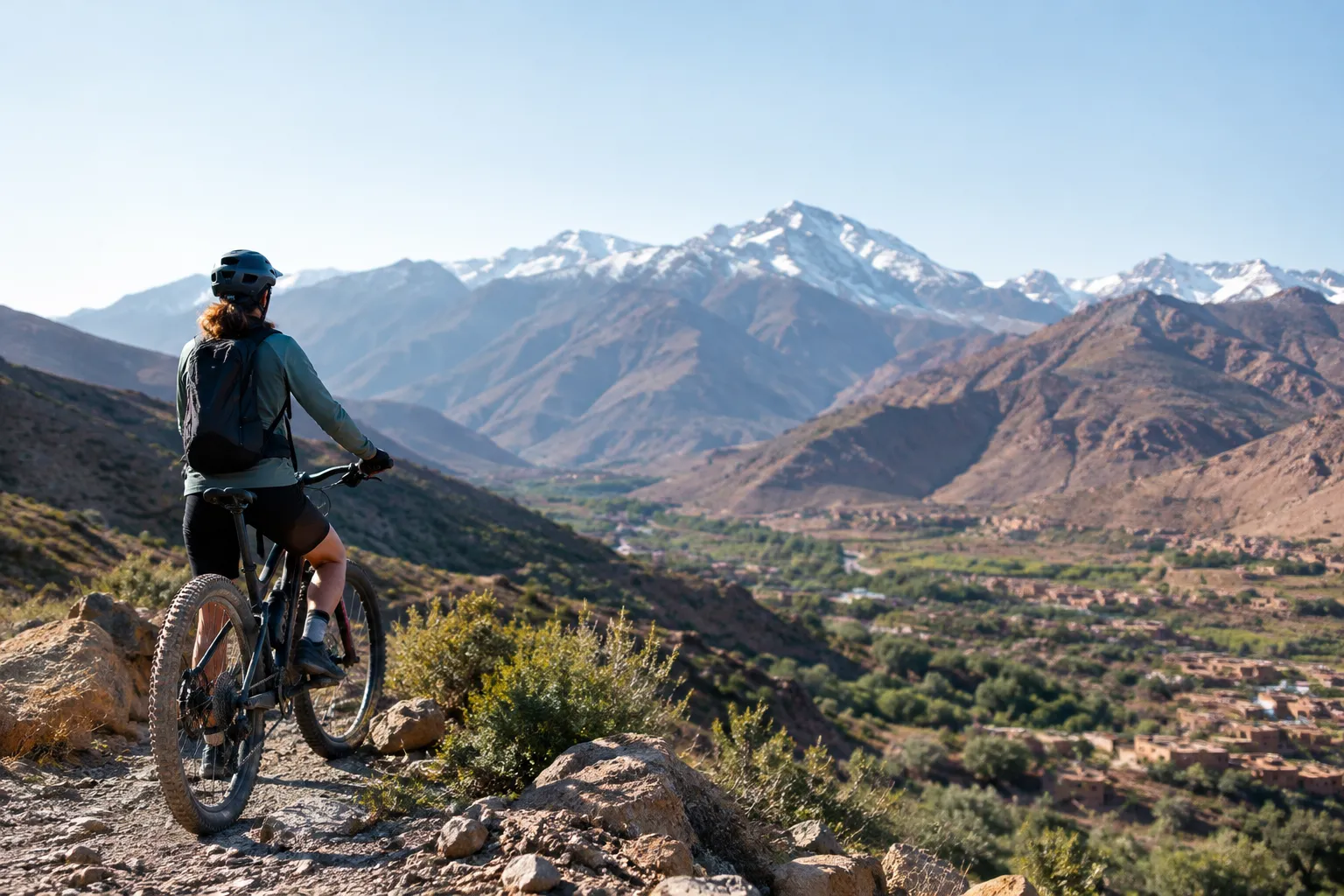
A useful answer to “how far from Marrakech are the Atlas Mountains?” is that the foothills are within reach of the city, but the range stretches across a much wider area. Your actual journey depends on the valley, village or trailhead you choose—and whether you want to walk, cycle or spend the day taking in the views.
How far are the Atlas Mountains from Marrakech?
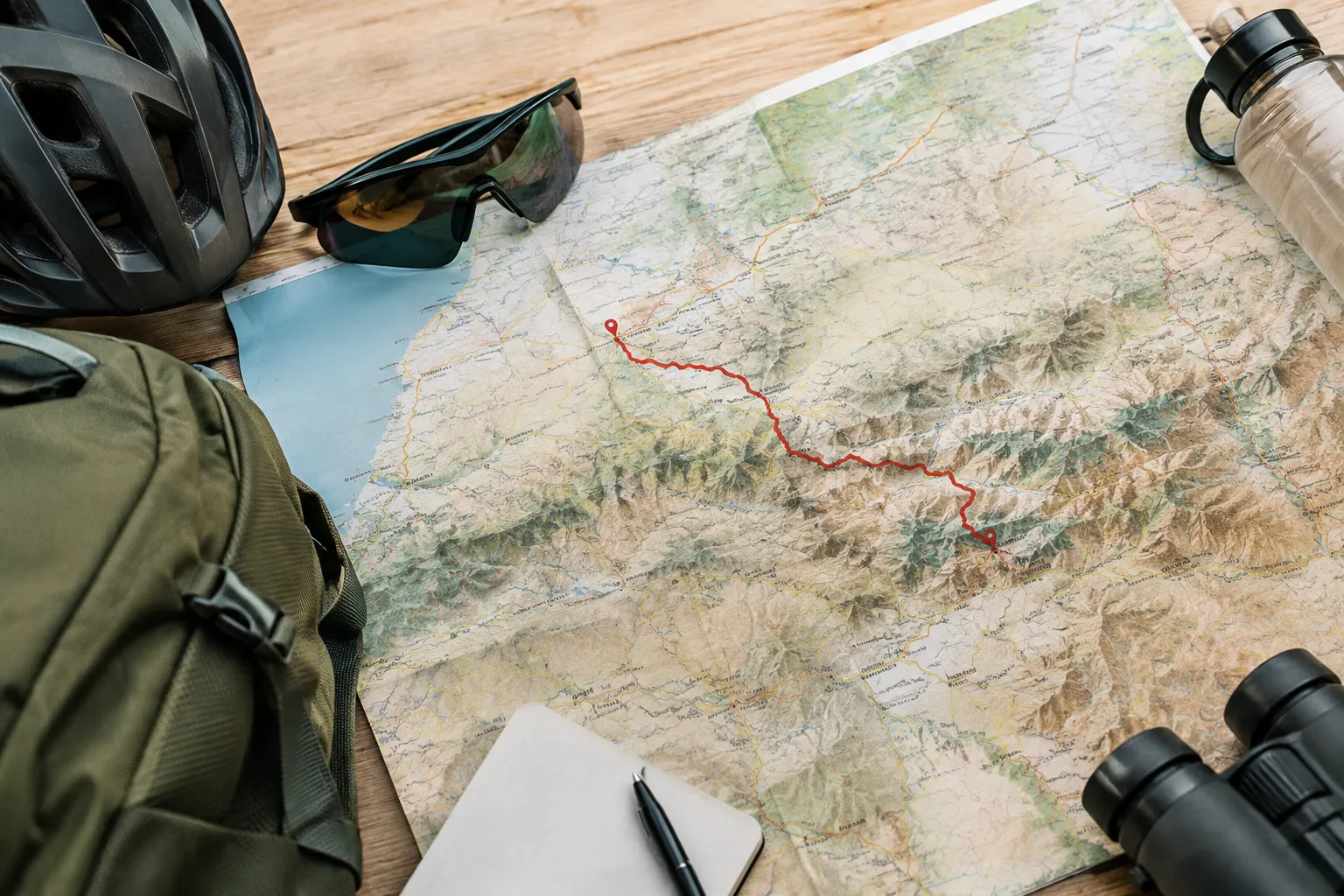
The Atlas Mountains start relatively close to Marrakech, but there is no single distance: accessible foothills and valleys lie nearer than villages and trailheads deeper in the range. For a day trip from Marrakech to the Atlas Mountains, choose a destination first, then compare its road journey and planned activity.
Ourika Valley and Imlil are two common starting points for mountain excursions, but they offer different settings and routes. A trip towards Ourika can suit visitors interested in valley scenery and village stops; Imlil is a gateway to the High Atlas and routes in the Toubkal area. Neither name alone tells you how much time you will spend walking or riding.
When comparing a Marrakech day trip to the Atlas Mountains, look beyond the distance on a map. Ask where the excursion begins and ends, how long the drive is expected to take, and how much time is set aside for the activity itself. A nearby destination can still make for a long day if the itinerary includes several stops, while a longer transfer may be worthwhile if the route is your priority.
The phrase “best day trip to the Atlas Mountains from Marrakech” can mean a short scenic outing to one traveller and a demanding ride or walk to another. Decide what you want to do before choosing an area. If cycling is central to your plans, compare the destination and riding format with the options on our Morocco mountain biking page, rather than judging an excursion by distance alone.
Journey times to popular Atlas Mountain areas
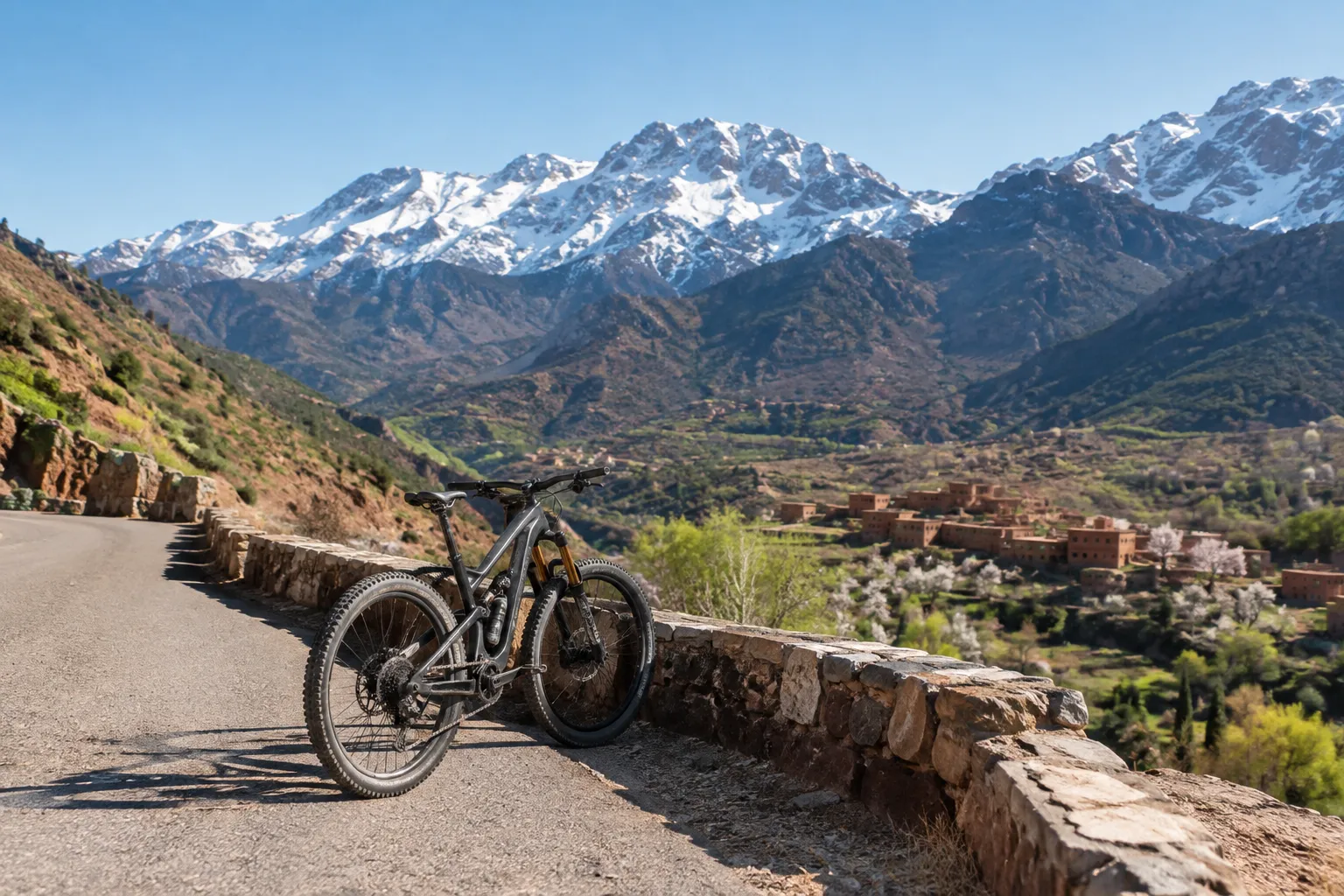
Ourika Valley and Imlil are both reachable from Marrakech by road, but their journey times vary with the exact start point, traffic, road conditions and stops. Treat estimated drive times as planning ranges, not as a guarantee of time on the move.
Ourika Valley is often chosen for an outing from the city because it lies in the foothills south-east of Marrakech. Imlil is farther into the High Atlas and is associated with mountain walking and access to the Toubkal area. As a broad planning guide, the drive to Ourika can take around an hour, while reaching Imlil may take roughly 1.5 to 2 hours. Confirm the current estimate for your particular pick-up and destination before travelling.
Those figures can change with traffic leaving Marrakech, the condition of the road, weather and the number of stops. A break for a viewpoint or village visit adds time, even if it is part of the appeal. For a cycling trip, also check where the ride begins: the road transfer and the time spent on the bike are separate parts of the day.
When comparing a day trip from Marrakech to the Atlas Mountains, ask whether the stated duration refers to driving, the full excursion or time at the destination. A clear itinerary should make it easier to understand how much of the day is for transport, activity and stops. This matters especially if you have a fixed return time or are travelling with people who prefer a slower pace.
Choose an excursion by the experience you want
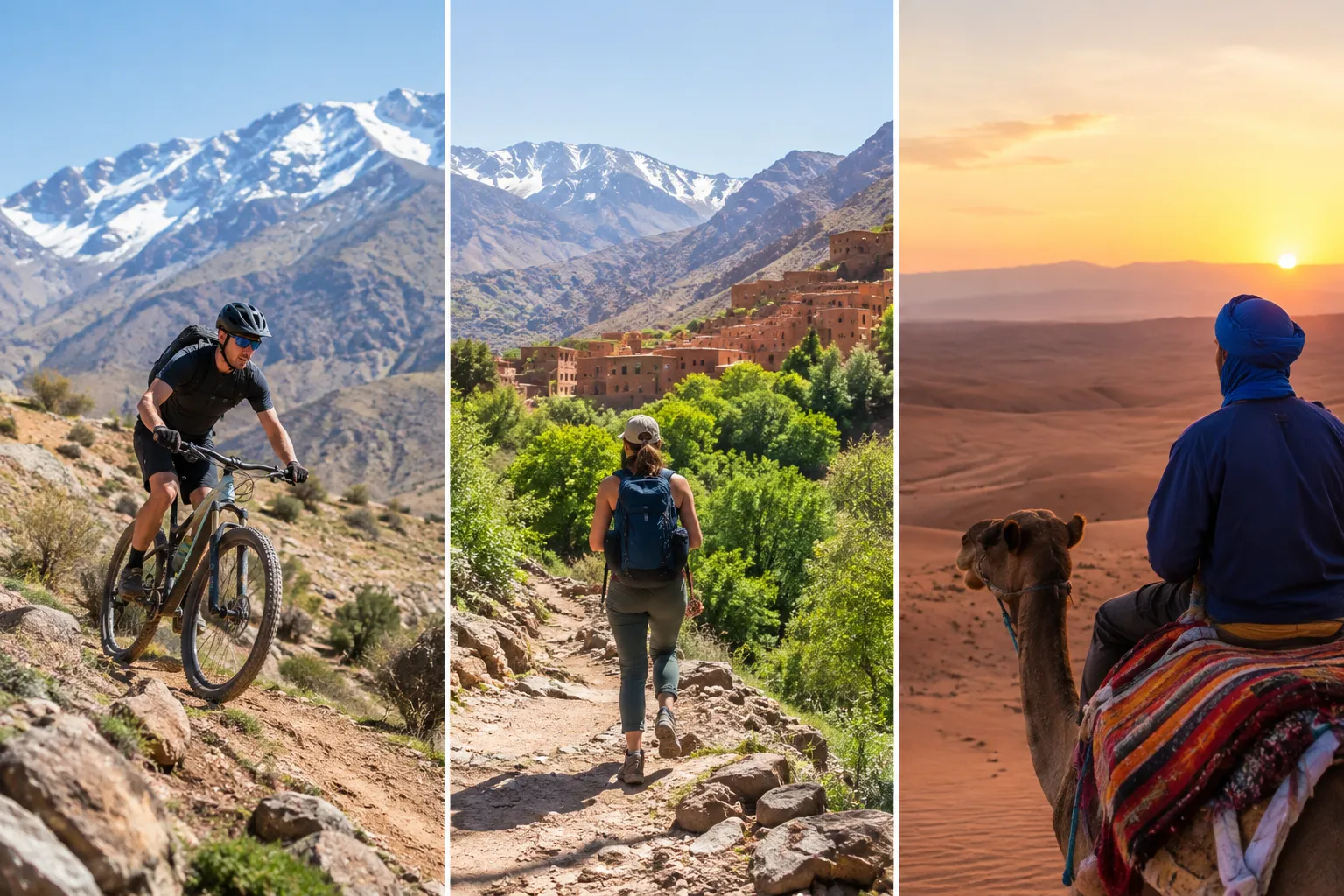
The right Marrakech day trip to the Atlas Mountains depends on whether you value views, village visits, walking or cycling most. Compare the activity and pace as carefully as the destination: an excursion centred on a drive and stops feels different from one built around time on foot or on a bike.
Valley scenery and village visits
Choose a valley-focused outing if you want mountain views, time for stops and a relatively flexible pace. The exact amount of walking varies, so check whether the plan involves only brief visits or a longer route on foot.
A village visit can add cultural context to the landscape, but it is worth checking what the stop involves and how long it lasts. Do not assume every excursion includes the same route or village experience. If local visits are important to you, ask how they fit into the day and whether they leave enough time for the activity you have come to do.
This kind of outing may suit mixed-interest groups who want to see the foothills without committing the whole day to a long walk or ride. For a more active plan, make sure the scenic stops do not replace the time you hoped to spend moving through the mountains.
Walking in the foothills
A walking-focused excursion suits travellers who want to explore away from the vehicle, but its demands depend on distance, elevation, surface and pace. Ask for those details rather than relying on a general label such as “easy” or “moderate”.
A short village walk and a sustained route on uneven or rising ground are not interchangeable. If you are travelling with a group, consider the least experienced walker when weighing distance and elevation gain. The route should leave enough time for breaks and for the return journey, particularly when the destination is deeper in the mountains.
Footwear with grip is a sensible choice for uneven paths, and layers can help when conditions differ between the city and higher ground. If you have an individual health or fitness concern, consult a qualified professional about your own circumstances before choosing a strenuous outing.
Cycling for a more active day
Guided mountain biking and e-bike rides offer a more active way to explore, with the route and riding style determining how demanding the day feels. Match the terrain, distance and climbing to your experience, and ask how much of the excursion is spent riding rather than travelling.
A mountain bike route may include rougher ground and uneven tracks, while an e-bike can assist with pedalling but does not remove the need to handle the bike and manage the terrain. A ride can still be physically demanding depending on its length, surface and elevation. Ask about the expected riding conditions, pace and any technical sections before deciding whether it fits your group.
If the main goal is cycling, look for a trip where riding is the focus rather than an optional addition to a sightseeing itinerary. You can compare formats through Mountain Bike Morocco: consider whether a guided ride, an e-bike outing or a longer cycling holiday best matches your available time and experience.
Match the trip to your time and fitness
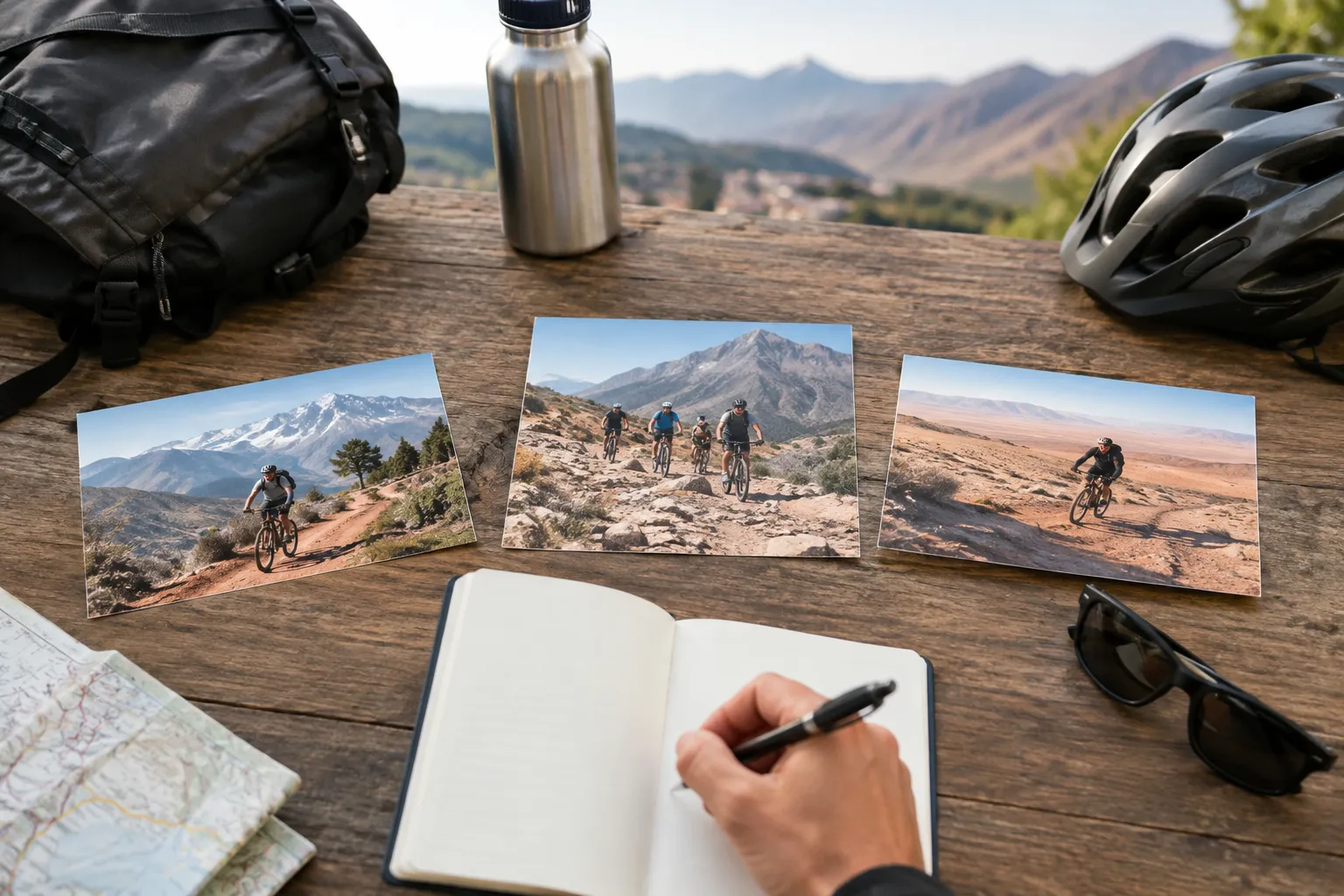
Choose an excursion by working backwards from your available hours: allow for the return drive, the activity and any planned stops, then judge whether the remaining pace suits you. The closest destination is not automatically the best fit if it does not offer the experience you want.
For a half-day window, a closer valley or foothill outing with limited stops may be more practical than travelling farther into the range. With a full day, you may have more room for a longer transfer and a substantial walk or ride—but only if the itinerary gives the activity enough time. Check the planned departure and return, not just the headline duration.
Fitness is more than general athletic ability. For walking, consider distance, elevation and uneven footing. For cycling, consider your comfort on the surface and the amount of climbing, as well as how long you can ride. For a group with different abilities, ask whether the itinerary can accommodate varied paces or whether everyone follows the same route.
Use these questions to compare options:
- How long is the drive each way, and where does the activity start?
- How many hours are planned for walking or riding?
- What are the route’s distance, elevation and terrain?
- How much flexibility is there for stops and breaks?
- Does the plan suit the least experienced person in your group?
For riders considering a longer itinerary rather than a single outing, our High Atlas cycling holiday information can help you explore the difference between a day ride and a multi-day cycling plan. A multi-day option gives the route more time; a day trip keeps the commitment shorter but makes transfer time a bigger part of the decision.
Plan your Atlas Mountains day trip
A well-planned outing starts with a clear itinerary: confirm the destination, transport arrangements, activity level and what is included before setting off. Bring footwear and clothing suited to the planned route, and allow enough time for both the journey and the activity.
For a walking day, choose shoes suitable for the surface described by the organiser; for cycling, ask what riding equipment and preparation are expected. Pack water and a layer you can add or remove, as conditions can feel different between Marrakech and the mountains. The season, altitude and time spent outdoors all affect what is comfortable to wear.
Before booking, check the practical details that shape the day:
- The pick-up point, departure time and expected return time.
- The destination and approximate road journey.
- Whether the excursion is walking-, cycling- or sightseeing-focused.
- The route’s distance, elevation and surface, where relevant.
- What is included, and what you should bring yourself.
- How the itinerary handles breaks, village visits and different group abilities.
For cycling, also ask how the route is matched to your experience and whether the planned ride includes technical terrain or sustained climbing. These details are more useful than a broad promise that a ride suits everyone. For a mixed group, a route discussion before departure can help set expectations about pace and effort.
Atlas Mountains FAQ
Is a day trip to the Atlas Mountains worth it?
Yes, a day trip can be worthwhile if you want a taste of the foothills or a focused walk or ride without changing accommodation. The value depends on whether the time in the mountains justifies the return journey for you.
What countries are the Atlas Mountains located in?
The Atlas Mountains extend across Morocco, Algeria and Tunisia in North Africa. The High Atlas, including the area around Imlil and Toubkal, is in Morocco.
How far is Marrakech from the Sahara Desert?
Marrakech is several hundred kilometres from major Saharan destinations, and the distance varies by route and destination. A visit to the dunes generally involves a longer journey than a day trip to the nearby Atlas foothills.
Is there a day trip to the Agafay Desert from Marrakech?
Yes, Agafay is close enough to Marrakech for a day outing, and it is distinct from the Atlas Mountains and the Sahara’s large dune regions. Compare it with an Atlas excursion by the landscape and activity you want.
Choose a day that fits your plans
The most suitable day trip balances the road journey with the time you want for scenery, walking or cycling. Choose the destination and activity first, then check that the pace, terrain and return time fit your group.
If you are mainly interested in a mountain ride, compare guided options by route character and expected effort rather than by how close the trailhead is to Marrakech. If your priority is a relaxed introduction to the region, a valley outing with time for stops may be a better match. Either way, a clear plan helps you understand what the day involves before you leave the city.
Use the journey as one part of the decision, not the whole answer to how far from Marrakech the Atlas Mountains are. A suitable excursion is the one that makes the time on the road worthwhile for the experience you want.