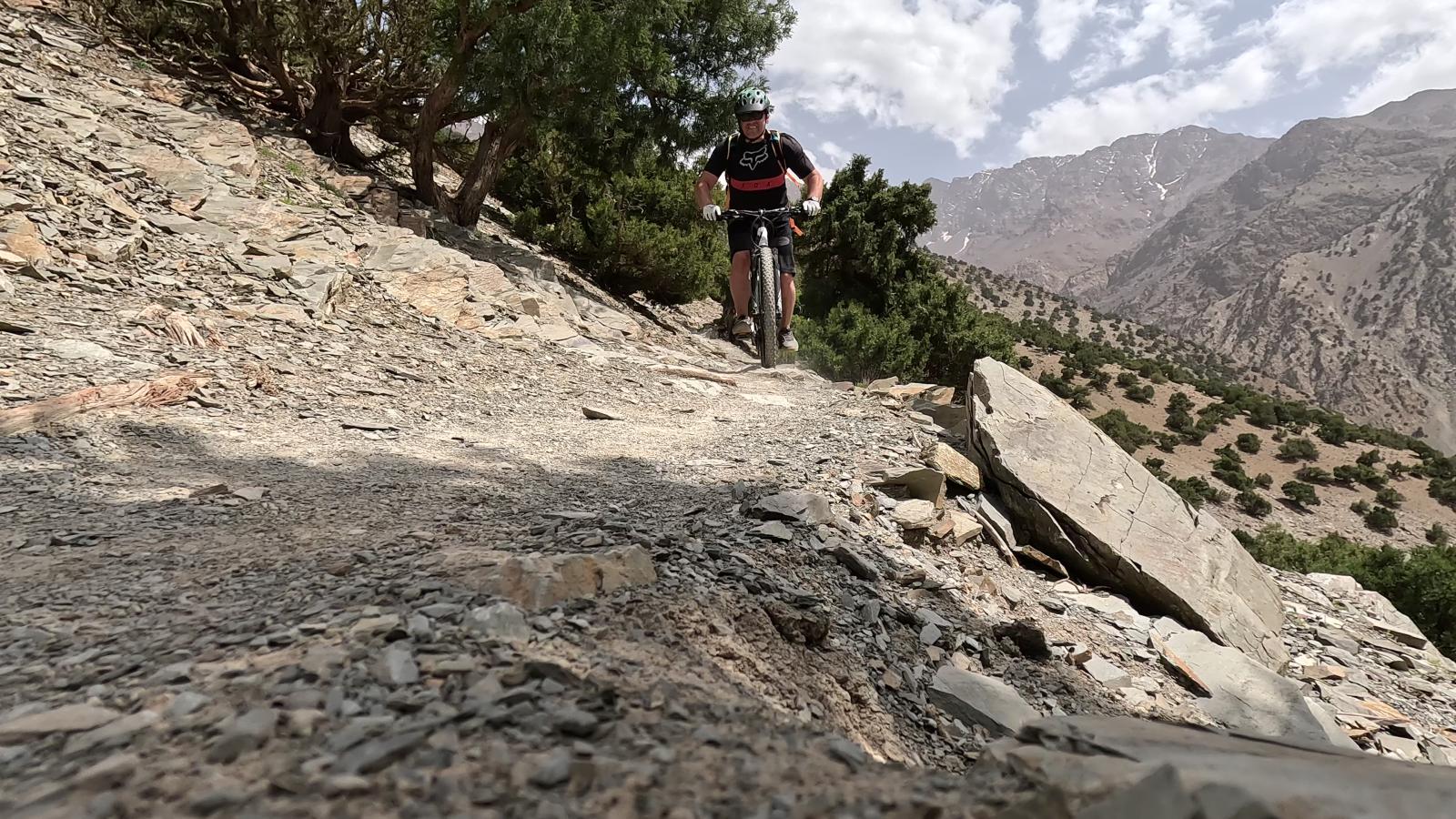
Imlil sits at the head of a green valley about 65 km south of Marrakech, at roughly 1,740 metres, below the slopes of Jebel Toubkal. For generations, families here lived from small terraced fields, walnut trees, apples, cherries and livestock. Over the last few decades, tourism has become a second pillar of life in the valley.
For riders, Imlil is a perfect base: trails in every direction, cool air in summer and views of North Africa's highest peak. For the valley, every visitor is part of a local economy that keeps young people in the mountains. Here is how it works, and how you can make sure your trip helps.
Who earns a living from visitors?
Tourism in Imlil touches far more people than you might expect:
- Mountain guides, many of them born in the surrounding villages.
- Muleteers, who carry luggage and supplies between villages and up to refuges.
- Guesthouse and gîte families, who host walkers and riders in their homes.
- Cooks, who prepare the tagines, couscous and breads you eat each day.
- Drivers, who bring visitors up from Marrakech and run support vehicles.
- Shopkeepers and craftspeople, selling water, snacks, rugs and souvenirs.
- Farmers, who supply the fruit, vegetables, eggs, honey and walnuts on your plate.
A single multi-day ride can provide income for a guide, a cook, a driver, several guesthouse families and dozens of small suppliers.
The 2023 earthquake and recovery
On 8 September 2023, a powerful earthquake struck the High Atlas. Villages around Imlil, Asni, Ouirgane and the Toubkal region were among those badly hit. Families lost relatives and homes, and many mountain roads were damaged.
In the months that followed, local people, associations, the authorities and many friends of the region worked hard to rebuild. Roads reopened, temporary shelters were replaced, and guesthouses and guides gradually welcomed visitors again.
One message came through clearly from the mountain communities: please keep coming. Visitors who return bring income at the moment it is needed most. Recovery takes years, and conditions differ from village to village, so ask your guide about the current situation when you book. Read is it safe to bike in Morocco.
How mountain biking fits in
Mountain biking is a relatively low-impact way to visit. Riders travel under their own power, stay in local guesthouses, eat local food and pass through villages that coach tours never reach. Because rides cross several valleys, the income can spread beyond the main tourist spots to smaller villages.
Our routes from Imlil take riders through the Imlil valley trails, over passes towards Ouirgane and the Kik plateau, and into quieter valleys like Azzaden. Every stop for tea, lunch or a night is a small contribution.
How to make your visit count
- Choose local guides. Hiring guides from the region keeps income in the valley. Read meet our local guides.
- Stay in family guesthouses. Your night's stay supports a household directly. Read a night in a Berber guesthouse.
- Eat local. Village meals use local produce, which supports farmers.
- Buy directly from cooperatives and craftspeople where you can.
- Tip fairly. Tips are an important part of income for guides, cooks, drivers and muleteers.
- Respect local customs. Dress modestly, ask before photographing people and follow your guide's advice. Read etiquette in Berber villages.
- Leave no trace. Take your rubbish with you and use refillable bottles to reduce plastic. Read responsible mountain biking.
Things to avoid
- Giving sweets or money to children. It encourages begging and can keep children from school. If you want to help, give through a local association or school, and ask your guide how.
- Bargaining aggressively over tiny sums with small sellers.
- Riding off-trail through fields, terraces or irrigation channels.
- Treating villages as a backdrop. People live and work here. Greet them, slow down and say thank you. A few words help: read learning Tamazight before your trip.
The bigger picture
Tourism is not perfect. Too many visitors in one place, plastic waste, water use and rising prices can all put pressure on a mountain valley. That is why the way you travel matters: small groups, local partners, respectful behaviour and routes that spread visitors out.
Done well, tourism helps families stay in the mountains, gives young people work as guides and cooks, and brings a valued connection between the High Atlas and the rest of the world.
Ride with purpose
When you ride through Imlil, you are not just passing through a postcard. You are part of a valley's economy and, in a small way, its recovery. Choose local, travel respectfully and keep coming back. The mountains, and the people who live in them, will welcome you every time.
If you want to combine your Atlas ride with more of Morocco, our partner Morocco Cycling Tours runs multi-day cycling trips across the country with local teams.