
 1 Nov 2026
 11 min read
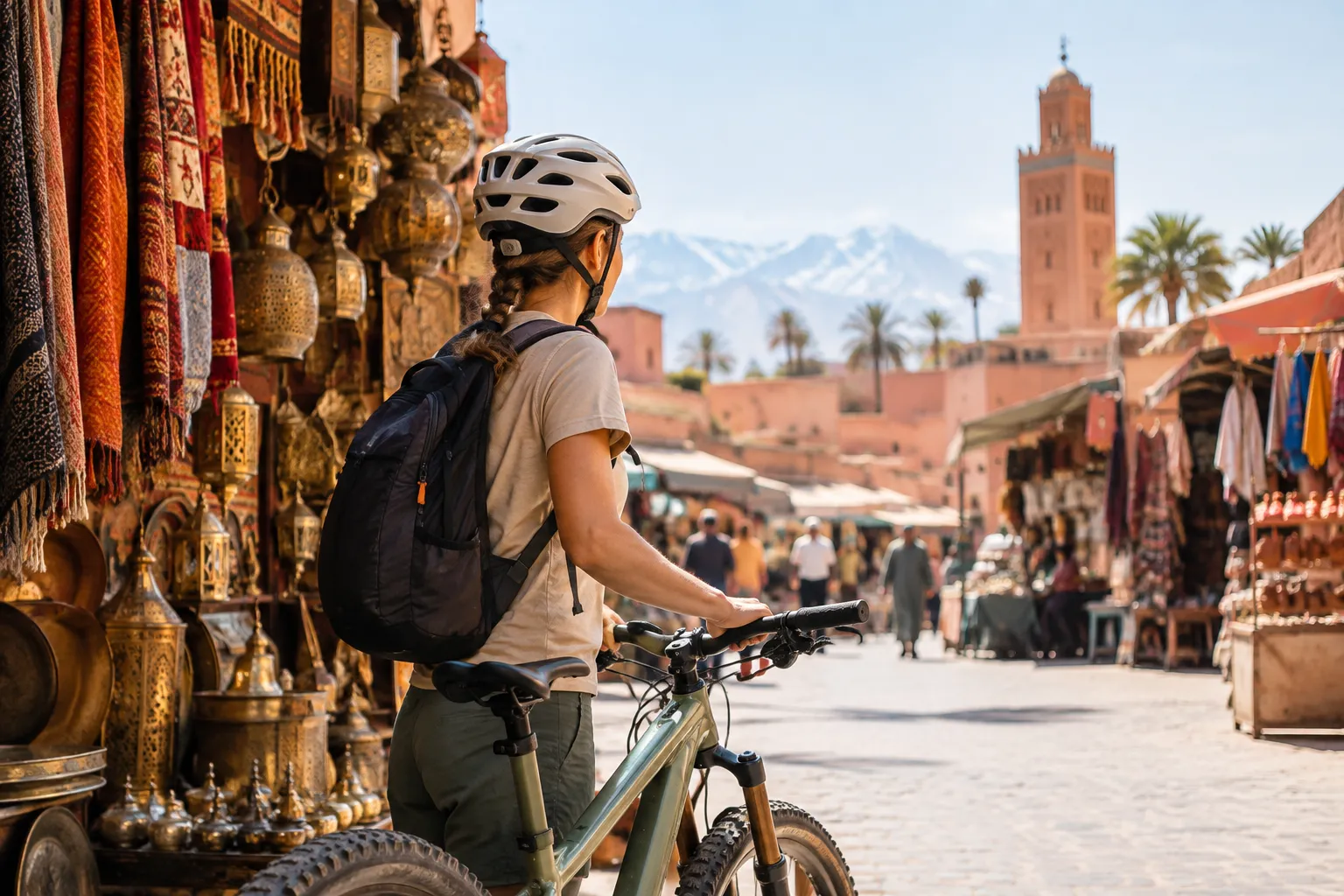
Marrakech is best explored at a pace that leaves room for both its busy medina and quieter pauses. For anyone wondering what to do in Marrakech, a useful starting point is to combine the old city’s lanes and food with a palace or garden visit, then decide whether a day outdoors in the Atlas Mountains fits your time and energy.
A simple plan might include a medina wander, an evening around Jemaa el-Fna, one or two historic sights, and a meal centred on local dishes. With an extra day, you could consider a village visit, a walk, an Atlas mountain trek or a guided ride. The right choice depends on how much time you have, the kind of terrain or activity you enjoy, and whether you want a relaxed day or a more active one.
Explore the medina, souks and Jemaa el-Fna
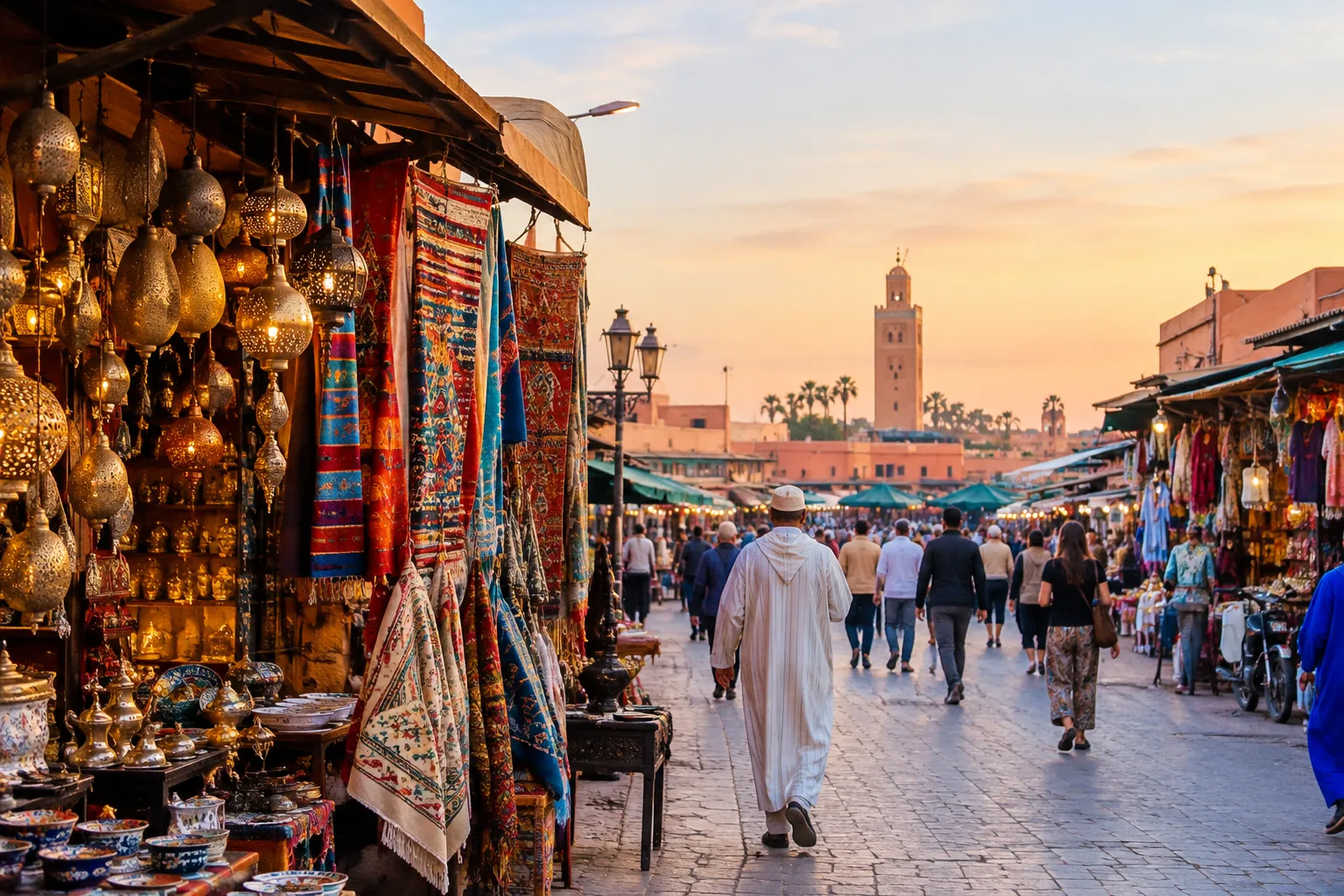
The medina is not a set of separate attractions so much as a lived-in network of lanes, workshops, courtyards and small squares. Allow time to explore without trying to fit every turn into a checklist. A slower visit also leaves room to notice the contrast between the narrow market streets and the open space of Jemaa el-Fna.
Find your way through the old city
Choose a starting point that is easy to recognise, such as a main gate, a landmark or the square, and use it to orient yourself as you explore. Streets can be winding, and a route that looks direct on a map may lead through smaller lanes. Keep your accommodation address saved offline, and allow time to retrace your steps rather than hurrying from one stop to the next.
The medina’s character changes from area to area. Some lanes are lined with stalls and workshops; others feel quieter, with doorways opening on to courtyards or homes. Look for the work being done as well as the goods on display: metalwork, leather, textiles and other crafts are part of the city’s everyday activity.
A practical way to explore is to pick a few things that interest you, then let the route between them be part of the visit. If you have a full day planned elsewhere, keep your medina wander short and focused. A day trip from Marrakech to the Atlas Mountains takes time away from the city, so it is usually easier to enjoy both experiences by giving each its own space rather than trying to squeeze them into one day.
Browse the souks and visit Jemaa el-Fna
The souks are a place to browse as well as shop. You might find stalls and small workshops selling household goods, spices, textiles and crafted items. If you are considering a purchase, take time to compare what you see and ask about the item before deciding. A friendly conversation can be part of the experience, but you do not need to buy to enjoy looking around.
Jemaa el-Fna is an open square at the centre of much of the medina’s activity. Its feel shifts over the day, with the evening bringing a different mix of food stalls and activity from the quieter daytime hours. Consider visiting once in daylight to get your bearings and again later if you want to experience the square after dark.
The square can be busy, so agree a meeting point if you are visiting as a group. If you prefer to take in the scene from a pause above street level, look for a rooftop café or restaurant with a view of the square. It is a good way to rest without leaving the old city.
See Marrakech’s palaces, gardens and historic sites
Marrakech has enough historic sites to fill several days, but most visitors will enjoy a more manageable selection. Choose places that genuinely interest you, and group visits by location where practical. Opening hours and access arrangements can change, so check current information before setting off.
Choose palaces and monuments that interest you
Bahia Palace, El Badi Palace and the Saadian Tombs each offer a different perspective on the city’s history and architecture. Bahia Palace is known for its decorated rooms and courtyards; El Badi Palace is a large historic complex whose remains give a sense of its former scale; and the Saadian Tombs are a compact site that can be combined with other nearby stops.
Rather than rushing through all three, decide which kind of visit appeals most. If you enjoy architectural details and enclosed courtyards, make time for a palace. If you are more interested in ruins and open spaces, El Badi may be a better fit. The tombs can make a shorter visit, but queues or busy periods may affect how long you spend.
Check the location of each place against your other plans. A practical itinerary might pair a nearby monument with a meal or a walk through a different part of the medina. Avoid packing too many ticketed sights into one day: time spent getting between them, taking breaks and navigating the old city adds up.
Make time for a garden visit
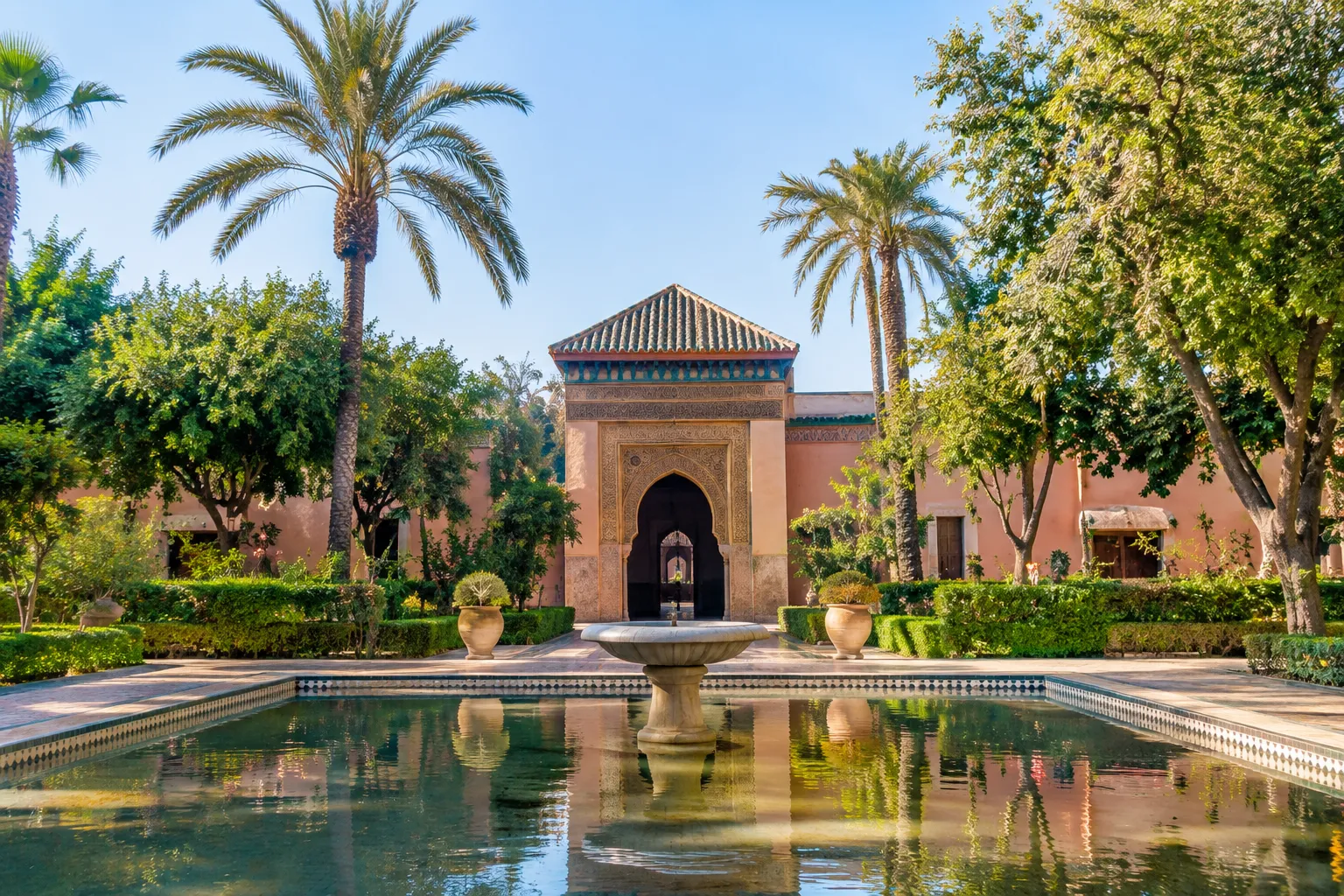
A garden can offer a quieter counterpoint to the medina’s movement and noise. Depending on the garden, you may find shaded paths, planted areas, water features or carefully designed spaces. Treat a visit as a chance to slow down rather than another stop to rush through.
Think about where the garden sits in relation to the rest of your day. A visit can work well after a morning of walking or before an evening meal, but allow for the journey there and back. Check current opening information and any entry arrangements before you go, particularly if you are planning around a specific time.
If your trip includes a day outdoors, a garden visit may be enough of a change of pace without adding another substantial excursion. City sights, a mountain outing and a garden can all fit into a Marrakech stay, but the balance is more enjoyable when you leave unplanned time between them.
Taste Marrakech through its food and local traditions
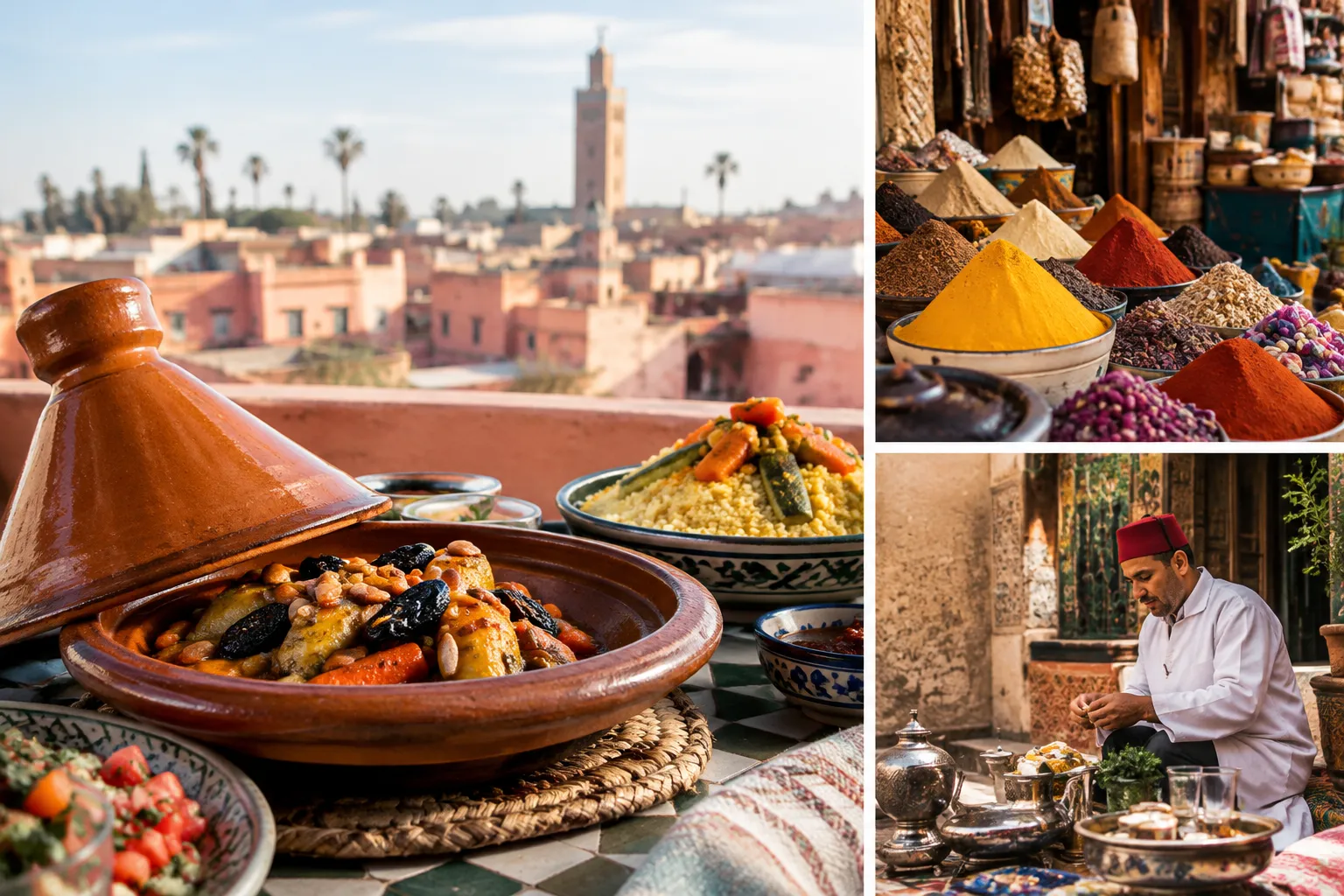
Food is one of the easiest ways to bring a city visit into focus. You can try a casual dish in the medina, take a longer meal or build an activity around cooking. Choose experiences according to your appetite, schedule and comfort with unfamiliar ingredients and busy food settings.
Try local dishes and street food
Look out for Moroccan dishes such as tagine, couscous and harira, as well as breads, pastries and other items sold in markets and cafés. Menus and availability vary, so ask what is being served that day if you are unsure. A slower restaurant meal and a quick snack in the souks offer different ways to experience the city’s food culture.
When choosing a food stall or restaurant, use your own judgement about the setting and the food on offer. If you have dietary requirements, explain them clearly and ask about ingredients and preparation rather than assuming a dish is suitable. For a group, it can help to choose a place with options for different tastes instead of expecting everyone to order the same thing.
Food can also connect city time with a trip beyond Marrakech. On an outing to the High Atlas, meals may be part of the day’s local context, but the details depend on the itinerary. Ask what is included when comparing guided options, especially if you have dietary needs or want to know how the day is structured.
Add a cooking class, hammam or rooftop pause
A cooking class suits visitors who want a hands-on activity and time to learn about ingredients and preparation. Check how long it lasts and where it takes place before booking, so it fits around your sightseeing rather than crowding it out.
A hammam can be a slower cultural experience, while a rooftop pause is a simpler way to take a break and watch the city from above. Choose the kind of rest you actually want: a planned treatment or visit involves more time and arrangements than stopping for a drink between walks.
These options can help balance a busy itinerary. If you have spent the morning exploring the medina, a calm afternoon may leave you with more energy for Jemaa el-Fna later. If you are preparing for a long ride or walk the next day, avoid scheduling too many activities late into the evening.
Plan a day trip from Marrakech to the Atlas Mountains
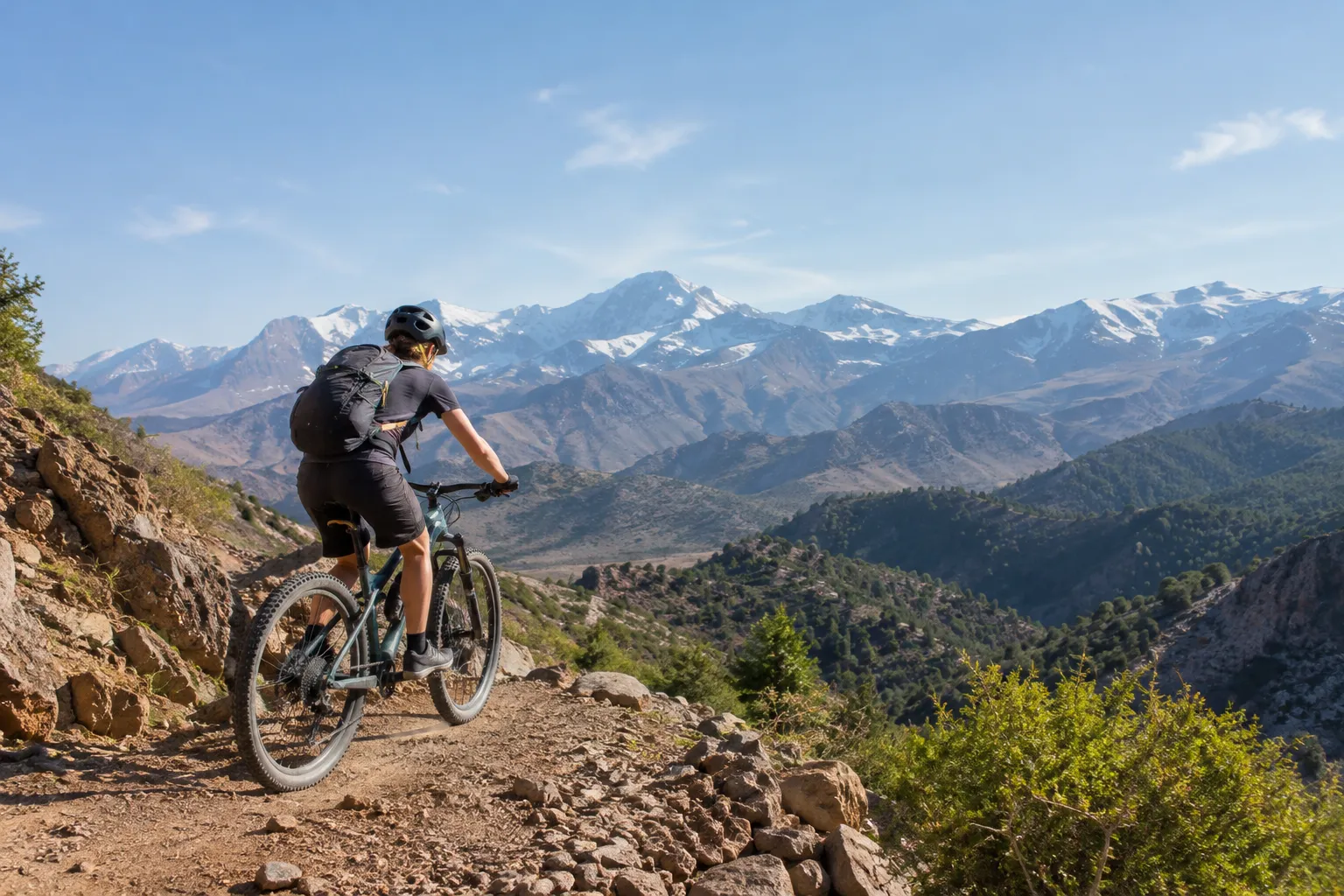
A day trip from Marrakech to the Atlas Mountains trades city streets for mountain roads, villages and outdoor activity. The journey and the day’s pace depend on the destination and itinerary. Imlil, in the High Atlas, is a common base for walking and mountain excursions; travel time varies with traffic, road conditions and the exact starting point.
Decide first what you want from the day. A village visit is different from a trek, and both differ from a guided mountain bike or e-bike ride. Check how much time is spent travelling, how active the day is, and whether the route matches your experience and interests.
Choose a mountain outing that suits your pace
A village-focused outing may suit visitors who want to experience mountain life without making a long walk the main activity. A walk or trek adds time on foot and may involve uneven ground, climbs and descents. A guided mountain bike ride is a more active option, with the route and effort shaped by the terrain and the group’s riding ability. E-bikes can change the effort involved, but they do not remove the need to be comfortable handling a bike on the route.
For a guided ride, ask what kind of terrain to expect, how long you will be riding, what the climbing involves and how the route is adapted to the group. A rider used to technical singletrack may be looking for a different experience from someone who mainly rides paths or roads. The same applies to a group with mixed abilities: agree on the level of challenge you want before choosing an itinerary.
If cycling is your priority, explore the options for mountain biking in Morocco. Atlas Mountain Bike’s offerings include mountain bike Morocco trips, gravel riding in the Atlas, singletrack riding in Morocco and e-bike adventures. Compare the format and route details with the rest of your plans rather than choosing by activity name alone.
Know what to expect on an Atlas Mountains trek
Atlas mountain treks can range from shorter walks to more demanding outings, so the word “trek” alone does not tell you how challenging a day will be. Terrain, distance, elevation change, pace and weather all affect the experience. Ask for those details when comparing routes, and be clear about your walking experience and the amount of effort you are comfortable with.
A walk near Imlil may involve village paths and uneven mountain ground rather than a smooth, level trail. Even a shorter route can feel demanding if it includes sustained climbing or if you are not used to walking at altitude. Local guidance can help with route choices and the day’s practical arrangements; check what is included and what you should bring.
For any mountain activity, check the forecast and follow the guidance of your trip organiser or local guide. Wear footwear suited to the stated terrain and take any personal essentials you need. If a health condition could affect your ability to walk or ride, consult a qualified healthcare professional about your own circumstances before planning a strenuous outing.
Build a Marrakech itinerary that leaves room to explore
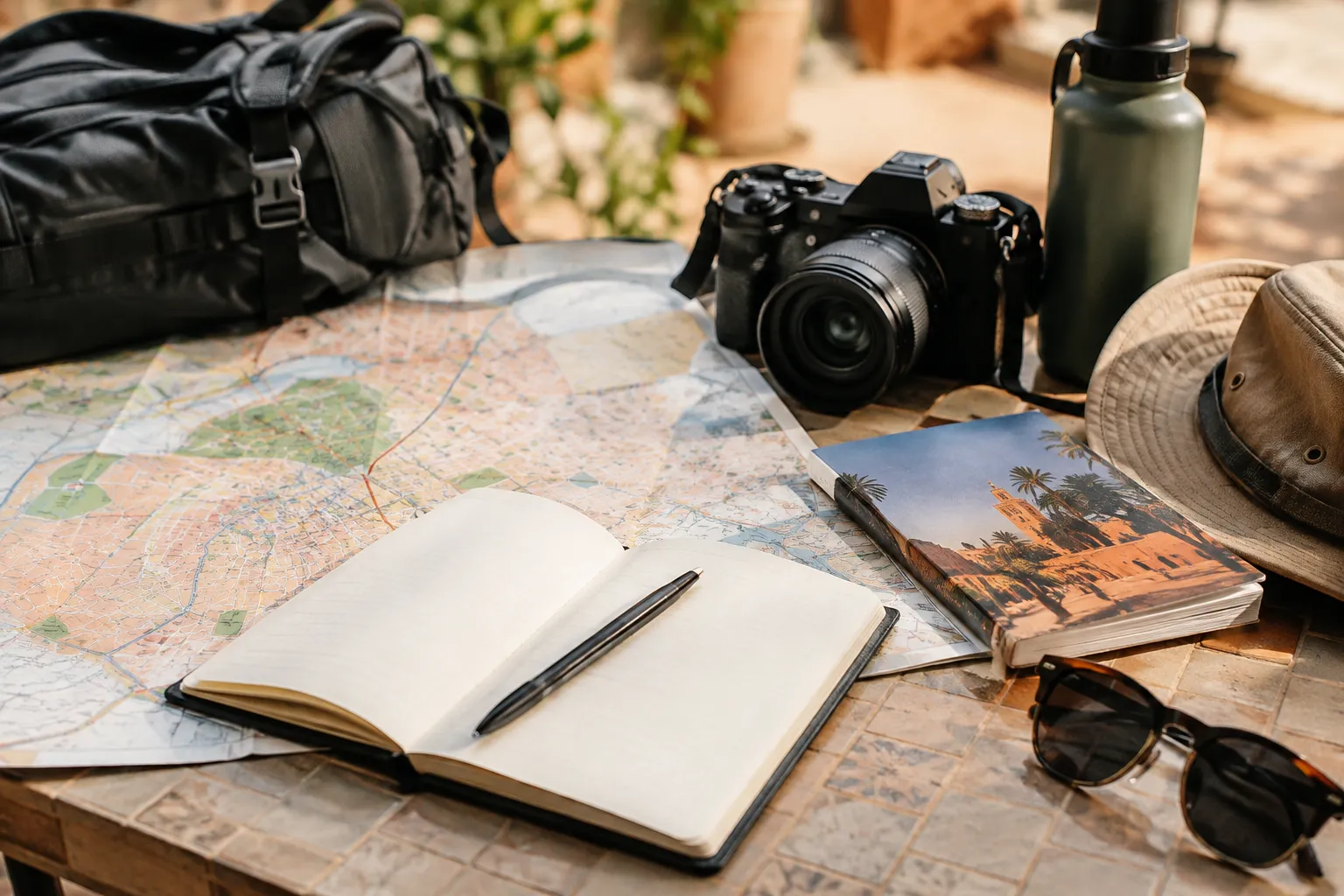
How much you can comfortably do depends on the length of your stay, the season and your preferred pace. A city-focused visit can fill several days without leaving the medina, while an outdoor day adds travel and activity time. Leave some space between plans so that a meal, a slow walk or a change in energy does not turn the itinerary into a race.
Balance medina time with an outdoor day
With one full day, focus on the medina, a couple of sights and an evening meal or visit to Jemaa el-Fna. With a longer stay, you can give palaces, gardens and food experiences their own time, then set aside a separate day for the mountains. That makes it easier to enjoy the city without feeling you have to see everything before leaving.
An outdoor day is most straightforward when you can reserve most of the day for it. Travel to and from the mountains takes time, and the activity itself may require a different pace from city sightseeing. If you are considering a day trip from Marrakech to the Atlas Mountains, avoid booking a tightly timed city activity immediately before or after it.
Season and conditions can affect what feels comfortable. Check the forecast close to your travel date and ask about the expected conditions for your planned activity. A plan with alternatives—such as a shorter walk instead of a longer one—can be useful if weather, energy or travel timing changes.
Choose a guided ride or trek for your trip
A guided outing can be a practical choice if you want help with route planning and local logistics, particularly when you are unfamiliar with the area. For a ride, compare the style of cycling, the terrain, the expected effort and the group’s experience. For a trek, compare the walking time, climbing and route character. In either case, ask how the itinerary is adjusted if the group has different abilities or preferences.
For groups, a good match is not necessarily the most demanding option. Agree on whether the priority is technical riding, a scenic ride, time in villages or a shared challenge. Families and mixed-age groups should check the route and activity demands for each participant rather than assuming one plan will suit everyone.
Atlas Mountain Bike offers guided cycling experiences across Morocco, including day rides and multi-day trips. If you are comparing a city break with a longer cycling holiday, consider whether you want a single mountain day or a trip built around riding. A High Atlas cycling holiday or a gravel bike trip in the Atlas is a different commitment from fitting one guided ride into a Marrakech visit. Review the itinerary details and ask about the route, riding level and logistics that matter to your group.
Recommended next steps
Start with the number of days you have, then choose the experiences you most want: medina and souks, historic sites, gardens, food or time outdoors. Put the mountain day on a separate day from your main city sightseeing, and compare walking, cycling and village-focused options by their actual route and activity demands.
If cycling is part of the plan, use the Atlas Mountain Bike website to explore the available Morocco mountain biking formats and decide which questions to ask about route character, effort and group suitability. For a broader itinerary, keep the city and mountains in balance: Marrakech offers plenty to explore on foot, while the Atlas adds a distinct outdoor dimension without needing to turn every day into an excursion.
Hannah Whitaker is an adventure travel editor with a background in outdoor travel writing and guided cycling trips. She specialises in mountain biking and trekking in Morocco, including routes around Marrakech, the Atlas Mountains and the Sahara. Drawing on local guides’ knowledge, she explains trail conditions, practical preparation and the cultural context of each journey. Her articles help riders assess whether a route suits their ability and plan a rewarding day or multi-day trip.