
 22 Oct 2026
 4 min read
1. Choose Your Riding Style Before Mapping a Morocco Route
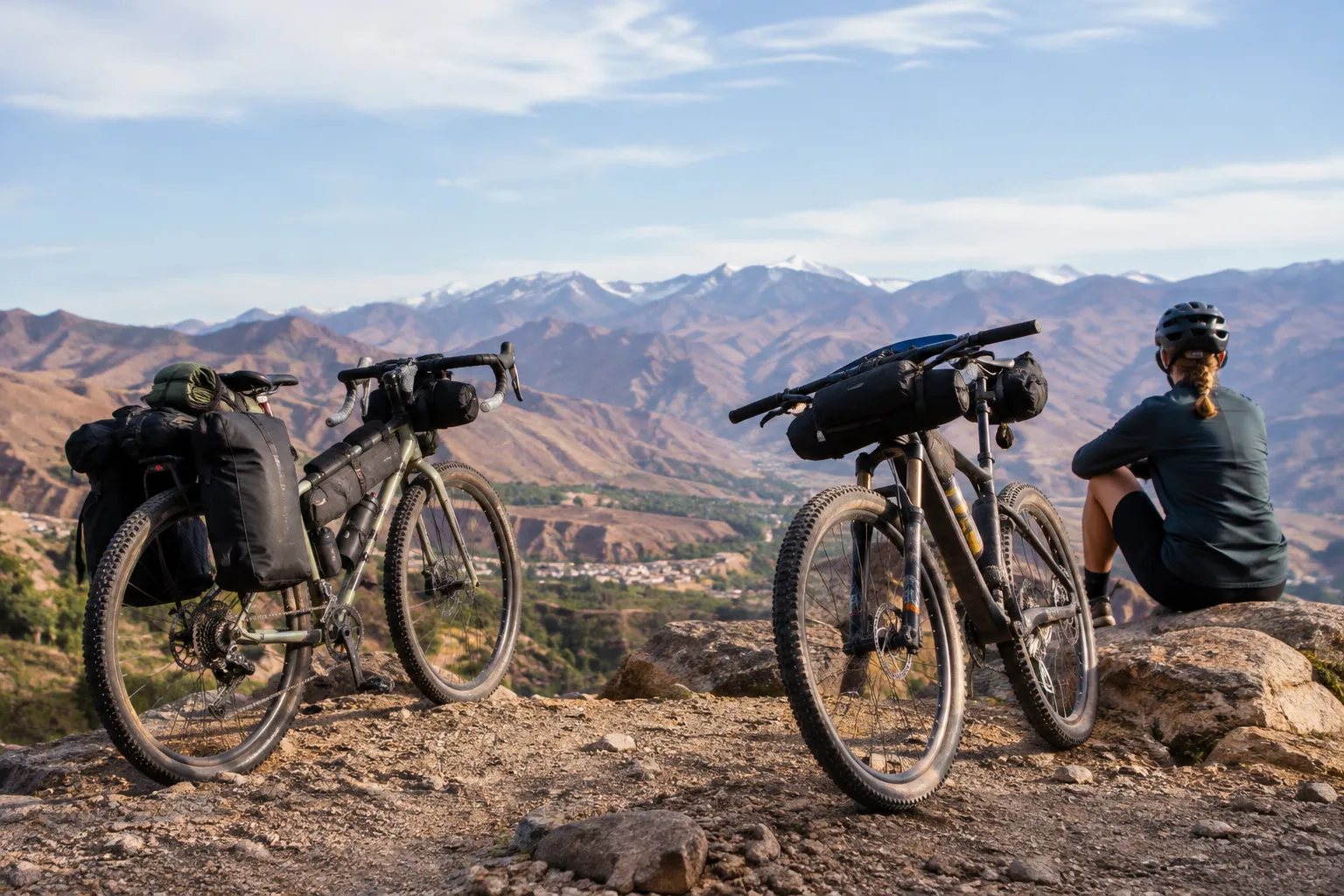
Decide what you want the journey to prioritize. Bikepacking usually pairs compact luggage with rougher, more remote routes; traditional bike touring often favors roads, more carrying capacity and a pace that allows for planned overnight stops. Neither label guarantees a particular difficulty: terrain, climbing, daily distance and load matter more.
For a self-supported cycling tour in Morocco, start with the kind of ground you want to ride, then choose the format. A multi-day bike expedition can help you compare multi-day travel formats before settling on a bike tour in Morocco.
2. Match the Route to Your Bike and Luggage Setup
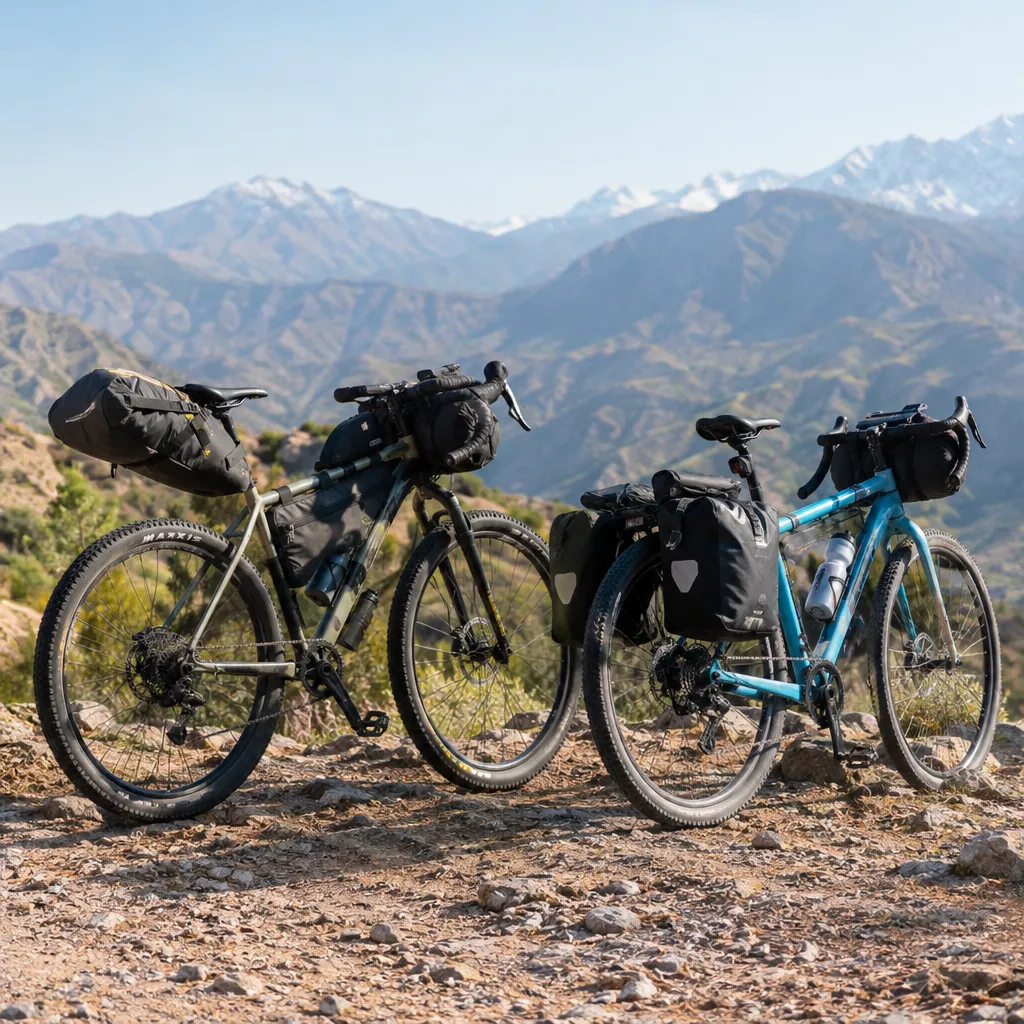
Check the surface and remoteness of each route section before choosing a bike. Paved roads and established stops may suit a touring setup with panniers; rougher tracks may call for a bike and luggage arrangement that stays stable over uneven ground. On Atlas routes, don’t assume that a mapped road is smooth or that a trail is rideable throughout.
Choose bags to match your frame, load and access to resupply. Then review Morocco cycling routes for regional context and use that information to check surfaces, climbing and possible overnight stops. A bike suitable for one section may not be the best choice for the entire itinerary.
3. Plan Water Stops and Resupply Around Remote Stretches
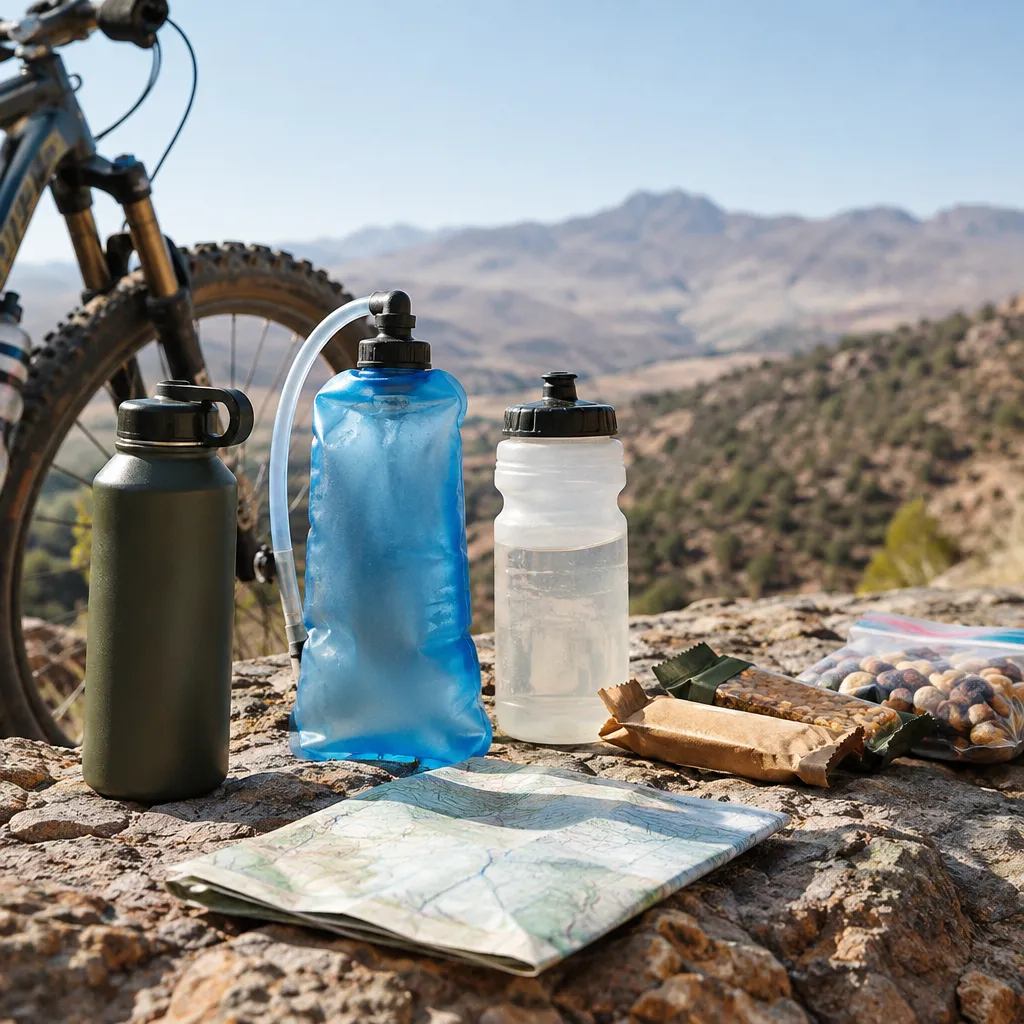
Mark likely places to refill water and buy food, then identify the longest gap between them. Plan what you’ll carry for that gap and decide what you’ll do if a stop is closed or unavailable. Don’t rely on a village appearing on a map as proof that supplies will be accessible when you arrive.
For more isolated sections, consider whether local transport or other assistance should be part of the plan. Compare the support included in different tours, and confirm what help is available between stops rather than assuming every guided trip provides the same arrangements.
4. Set Daily Distances Around Terrain, Climbing, and Load
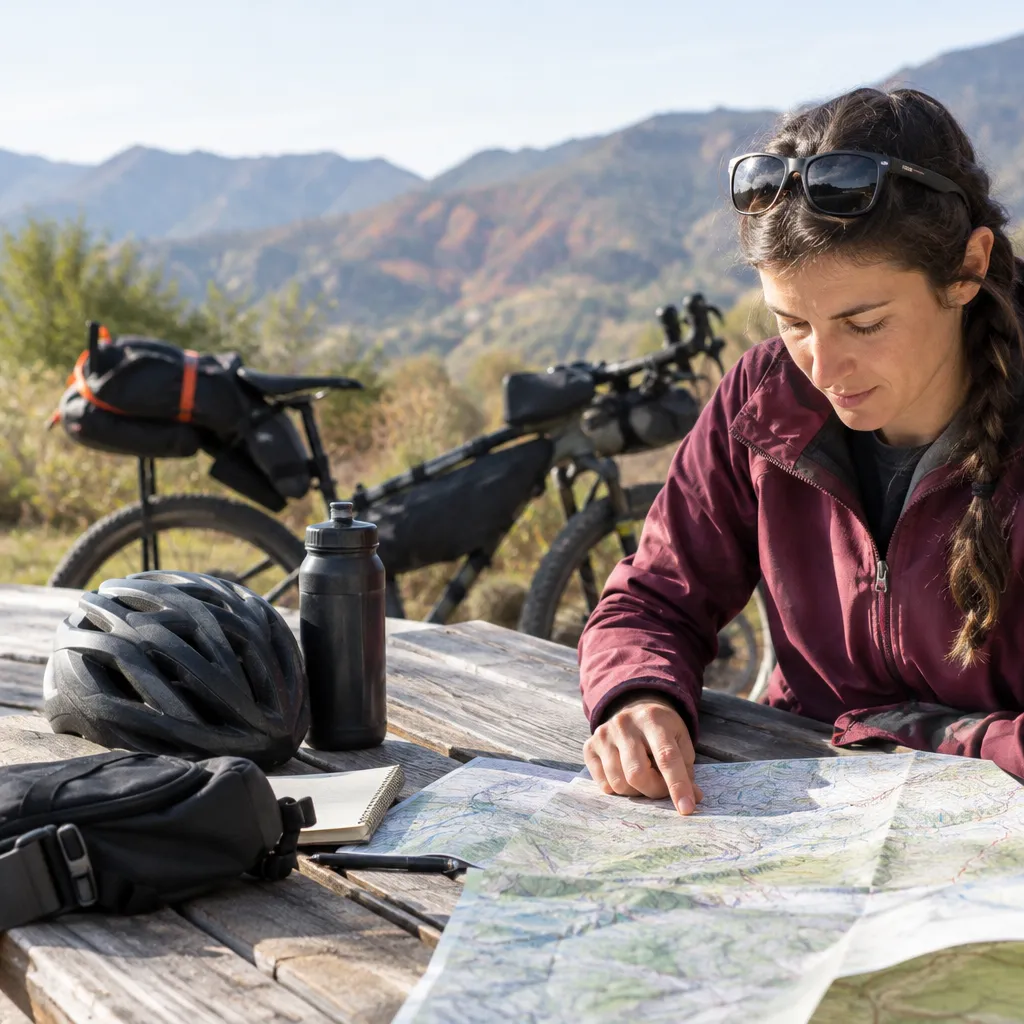
Estimate each day using more than distance: include elevation gain, surface, expected conditions, luggage weight and time for breaks. A shorter day on a steep or rough Atlas route can demand more effort than a longer day on easier roads. Build in room to adjust instead of treating the planned mileage as a fixed target.
Check the route profile and identify demanding climbs or remote sections before choosing overnight stops. If you’re uncertain, plan a shorter first day and reassess how the bike handles under load. A realistic schedule is more useful than a high distance target that leaves no margin for delays.
5. Decide Which Tasks Need Local Support
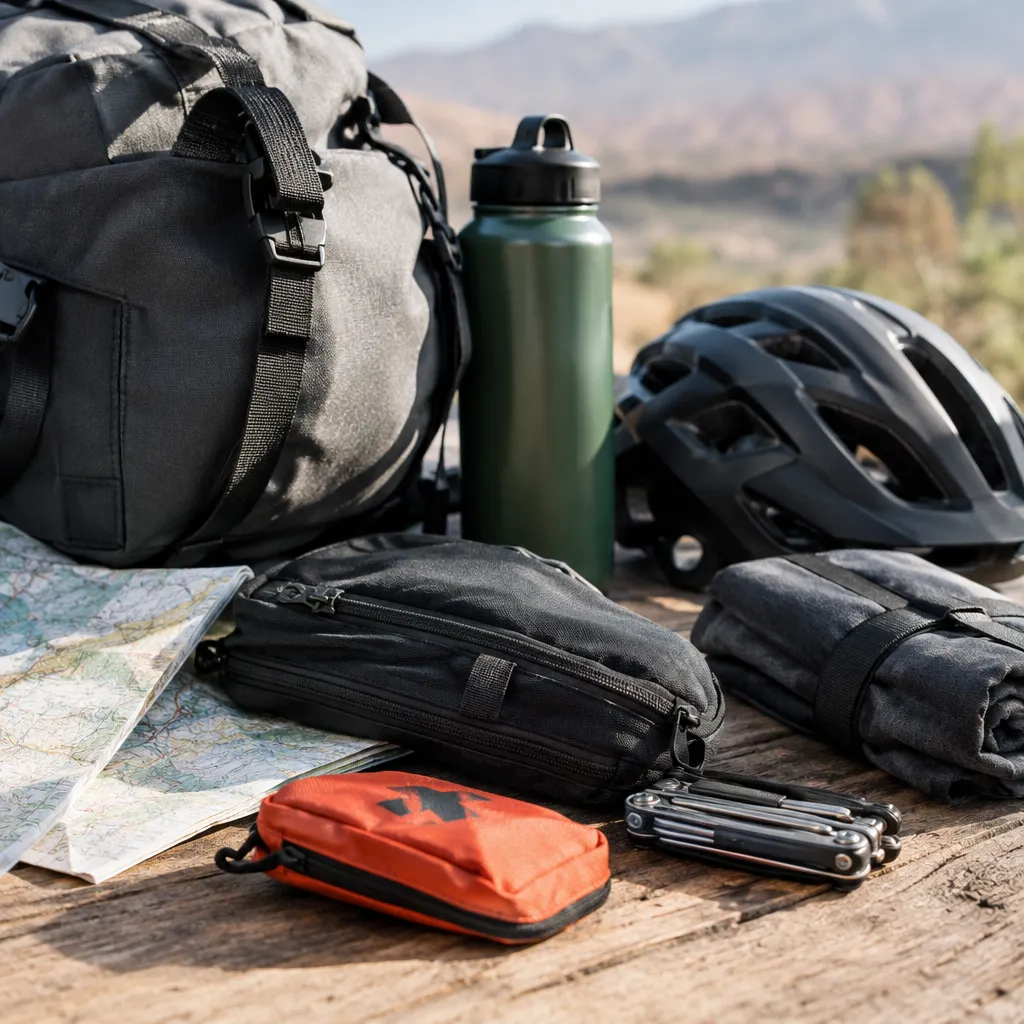
Self-supported touring gives you control over the route and schedule, but you are responsible for navigation, luggage, resupply and responding to setbacks. A guided cycling trip can take some planning tasks off your hands; confirm the itinerary, transport arrangements, riding format and what support is actually included.
Guided mountain biking and gravel trips are not automatically the same as touring. They may focus on riding specific trails or routes rather than carrying your belongings between overnight stops. Ask how each day works, who handles transfers and what happens if a remote section needs a change of plan.
6. Choose Your Setup and Test It Before You Set Off
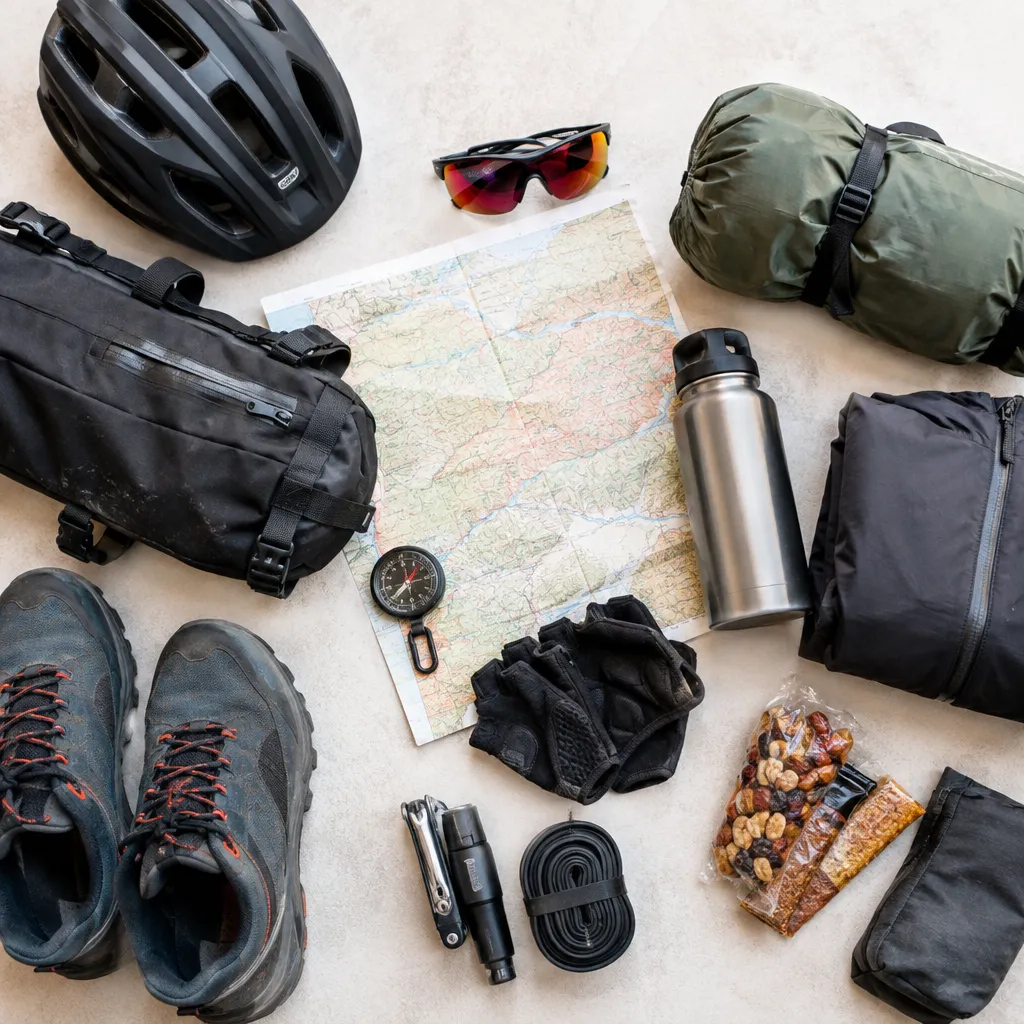
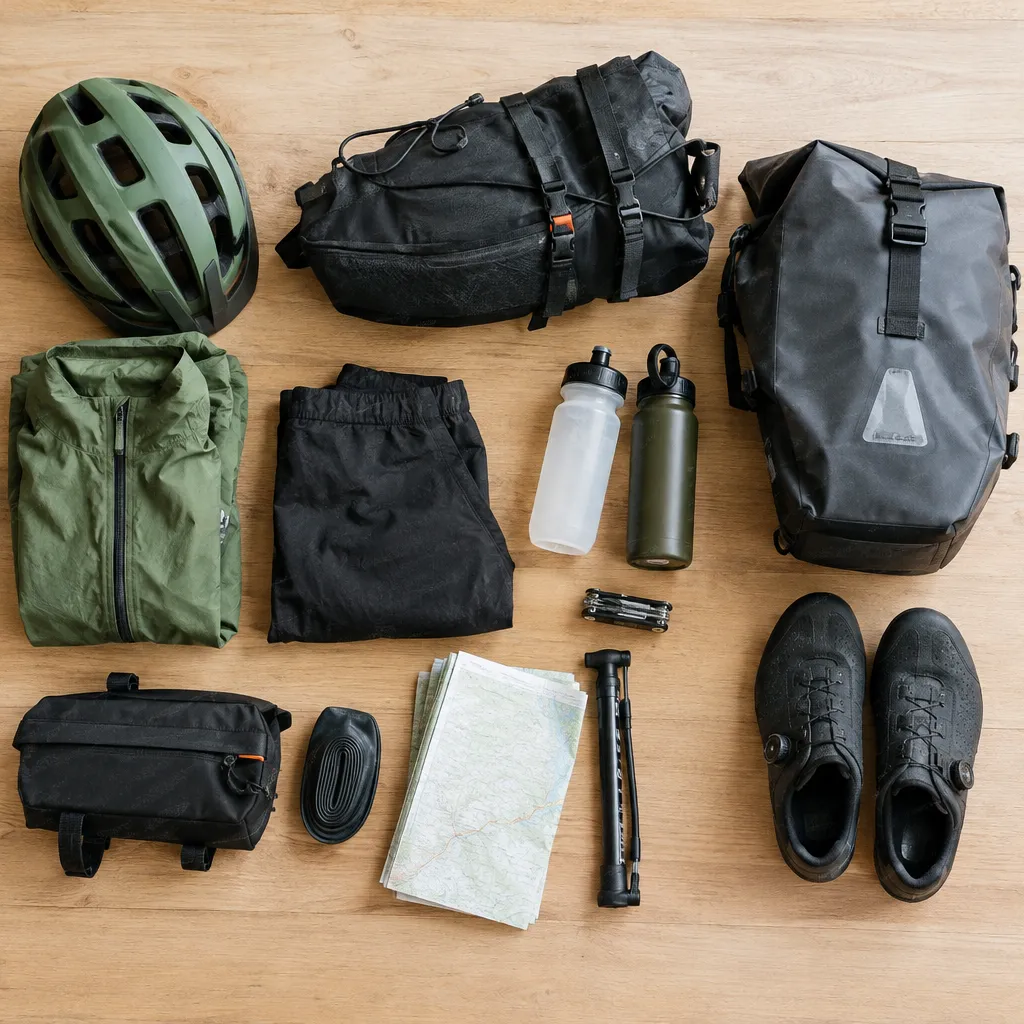
Match your final setup to the whole itinerary: bike, luggage, water and food capacity, daily distances and overnight arrangements should work together. Before departure, take a loaded test ride on varied terrain. Check that bags stay secure, steering feels manageable and you can reach essentials without unpacking everything.
Use the test to adjust what you carry and how it is packed. Confirm your route and resupply assumptions again, especially for isolated sections. For route-specific safety planning or advice about your personal fitness, consult a qualified local professional before setting off.
Bikepacking and Touring FAQs
Is riding a bike 3 miles the same as walking 3 miles?
No. The distance is the same, but the time and effort can differ: cycling speed, walking pace, terrain, stops and the rider’s or walker’s condition all affect the experience.
Is bikepacking harder than traditional bike touring?
Not necessarily. Bikepacking can be more demanding on rough, remote terrain, while touring with a heavier load can make climbs harder; route, luggage and daily distance are key factors.
Can you use panniers for bikepacking?
Yes, if your bike can carry them securely and they suit the route. For rougher ground, check clearance and stability with a loaded test ride before committing to the setup.
Do you need a mountain bike for bikepacking?
No. Choose a bike based on the route surface, luggage and handling you need. A mountain bike may suit rougher trails, while other bikes may fit routes with smoother roads or tracks.
Can a gravel bike handle Moroccan routes?
It can suit routes with compatible surfaces, but not every Moroccan route is appropriate for every gravel bike. Check the specific terrain, rough sections, climbing and luggage setup before choosing one.
How do you choose overnight stops on a multi-day ride?
Work backward from your route, daily distance and resupply points. Check that each proposed stop fits your pace and leaves a manageable distance to the next reliable place for food or water.
What repair tools should you carry on a bike tour?
Carry tools and spares suited to your bike and the repairs you know how to make, such as those needed for a puncture or a loose component. Check compatibility before departure and practise basic repairs.
Can a guided mountain bike trip include touring-style days?
It may, but the format varies. Ask whether the itinerary includes point-to-point travel, luggage transfers or overnight stops, and how those arrangements differ from a trail-focused guided ride.
Recommended next steps
Choose a route area, check its surfaces and resupply options, then decide how much independence or local support you want. Once the daily plan is realistic, test the loaded setup and adjust it before departure.
Hannah Whitaker is an adventure travel editor with a background in outdoor travel writing and guided cycling trips. She specialises in mountain biking and trekking in Morocco, including routes around Marrakech, the Atlas Mountains and the Sahara. Drawing on local guides’ knowledge, she explains trail conditions, practical preparation and the cultural context of each journey. Her articles help riders assess whether a route suits their ability and plan a rewarding day or multi-day trip.