
 9 Oct 2026
 4 min read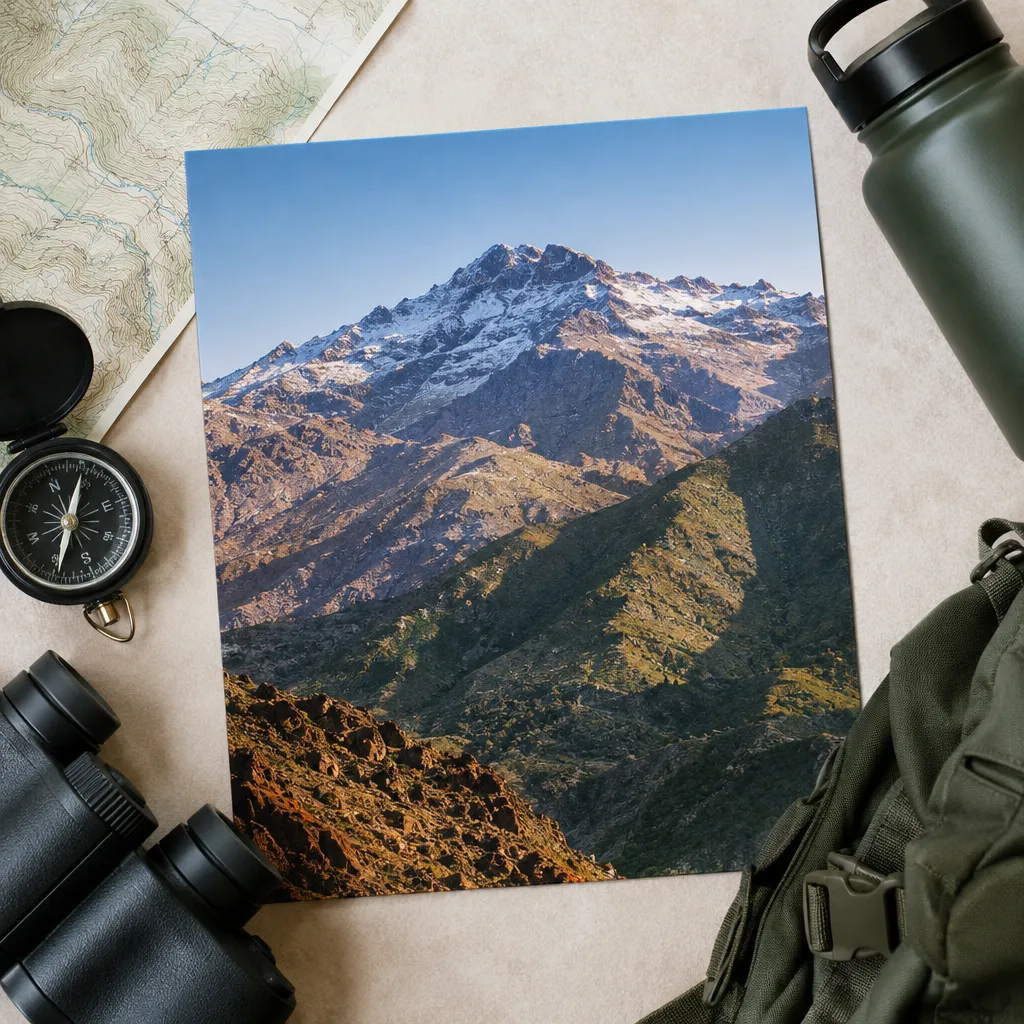
1. Elevation and steep slopes define a mountain
A mountain rises noticeably above nearby land, often with steep slopes and pronounced local relief—the difference in elevation between high and low points nearby. There is no single height that defines every mountain: shape and contrast with the surrounding landscape matter too.
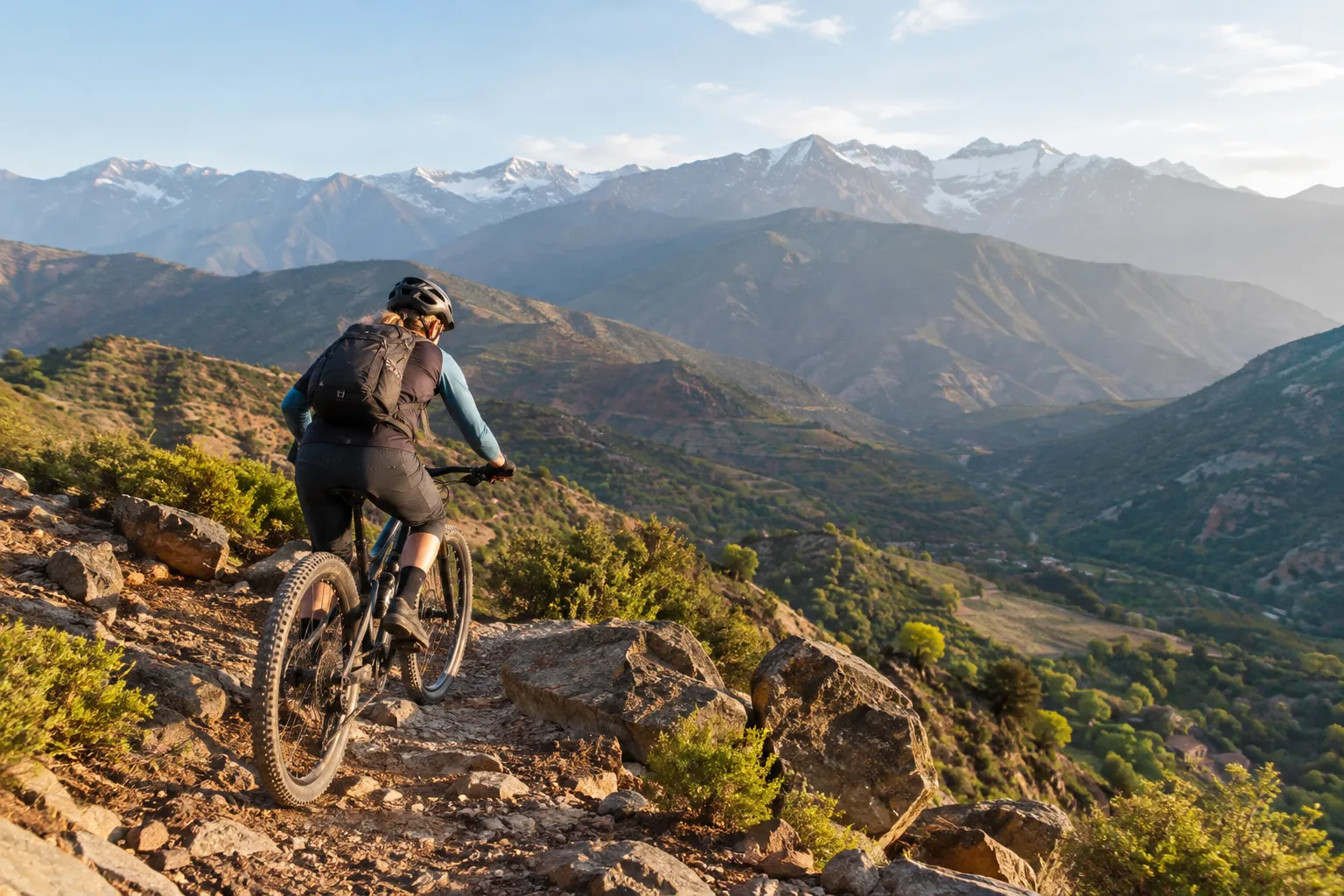
In the Atlas Mountains, terrain changes across the range, from lower valleys to high ground. Those changes affect how demanding an outdoor outing may feel. For examples of activities in elevated terrain, see our guide to mountain adventure activities.
2. Peaks, ridges and valleys shape mountain terrain
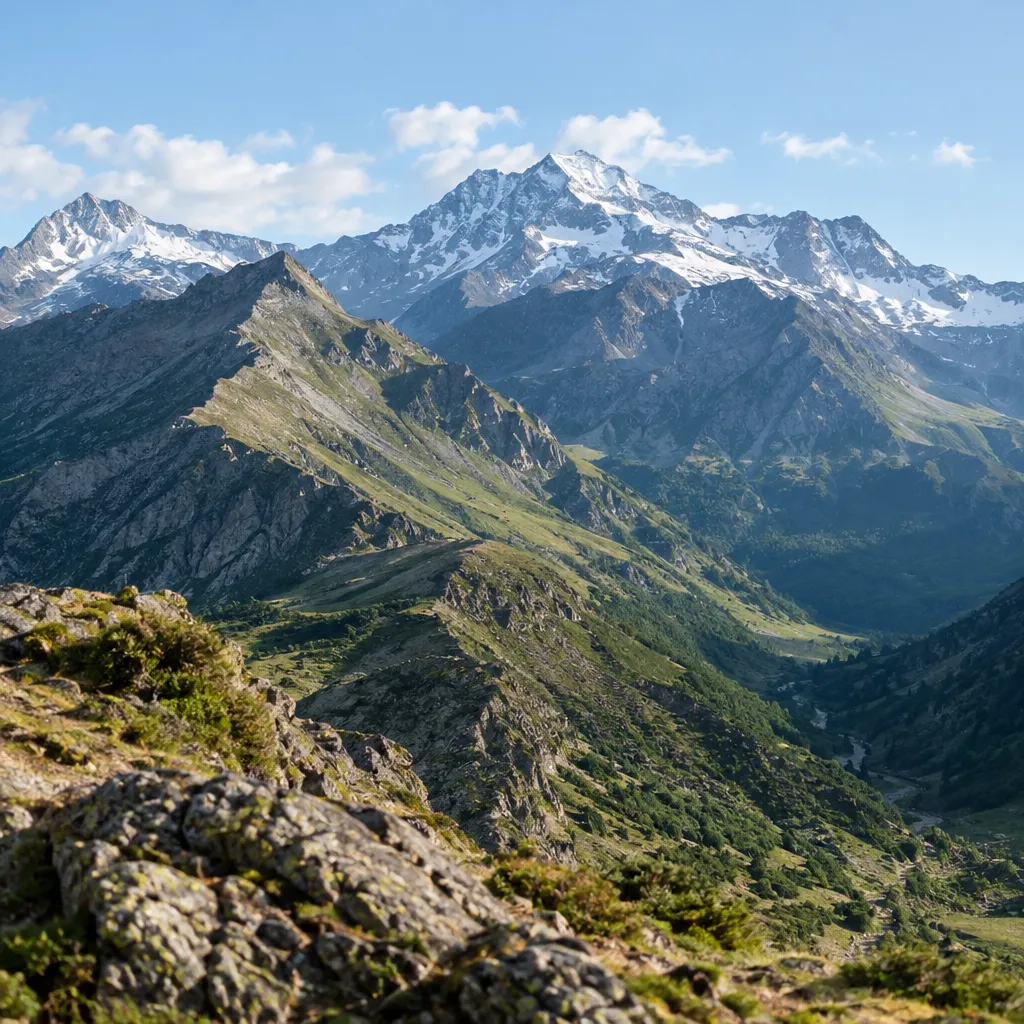
Peaks are high points; ridges are raised lines of land connecting peaks or separating drainage areas; valleys are lower ground between slopes. Together, they create a landscape of climbs, descents and routes that can vary considerably over short distances.
In the Atlas Mountains, valleys connect settlements and divide slopes, while ridges offer a different kind of terrain from valley paths. When exploring, look beyond a route’s distance: steepness, exposure and the way the ground rises and falls also shape its difficulty. Our guide to mountain wilderness safety covers practical considerations beyond the route map.
3. Altitude creates changing mountain weather
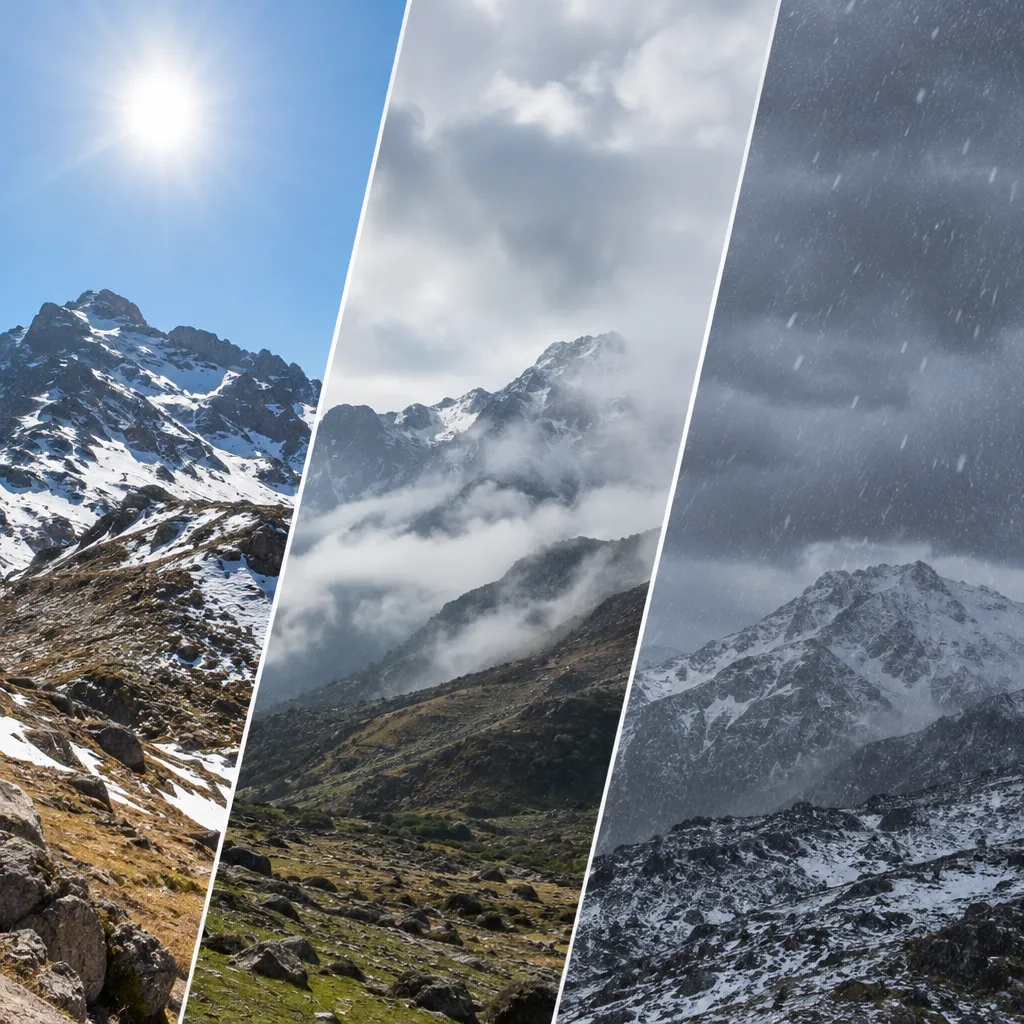
As elevation increases, temperatures generally fall, and exposed slopes can feel windier than sheltered valleys. Rain or snow may also vary from one side of a range to another, so conditions can differ between nearby locations and change during the day.
In the Atlas Mountains, check conditions for the specific area and elevation you plan to visit rather than relying only on a Marrakech forecast. Weather and terrain both matter when choosing a ride; our overview of mountain biking adventures in Morocco explains how riding formats differ.
4. Mountain habitats shift across slopes
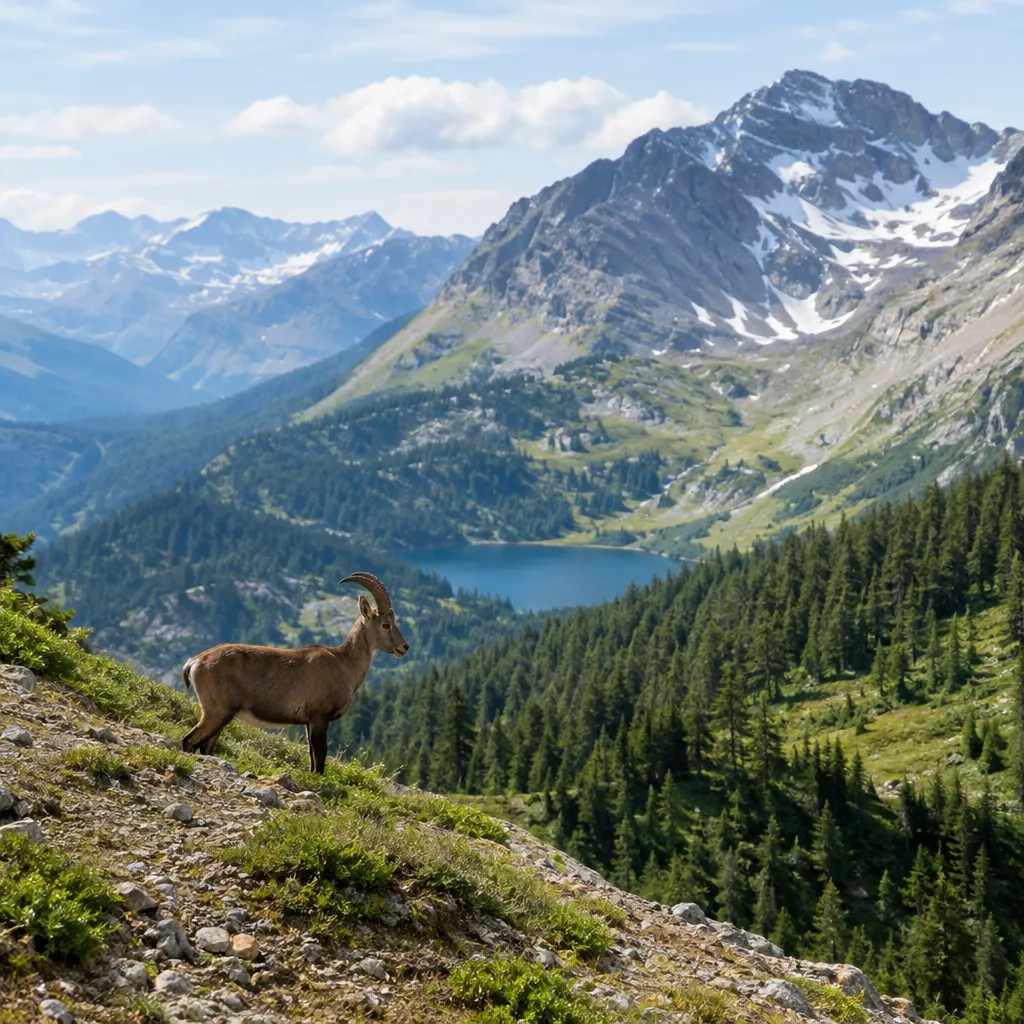
Elevation, soil, water and exposure influence which plants can grow on a mountain. Lower slopes may support different vegetation from colder, windier upper ground, while sunny and shaded aspects can also differ. Wildlife and plant life vary by location, so avoid assuming every mountain has the same habitats.
Changes in vegetation can help visitors notice shifts in conditions as they travel uphill, but they are not a substitute for local knowledge. Stay on appropriate paths and avoid disturbing plants or animals; fragile ground may take time to recover from damage.
5. Choose an outdoor activity in the Atlas Mountains
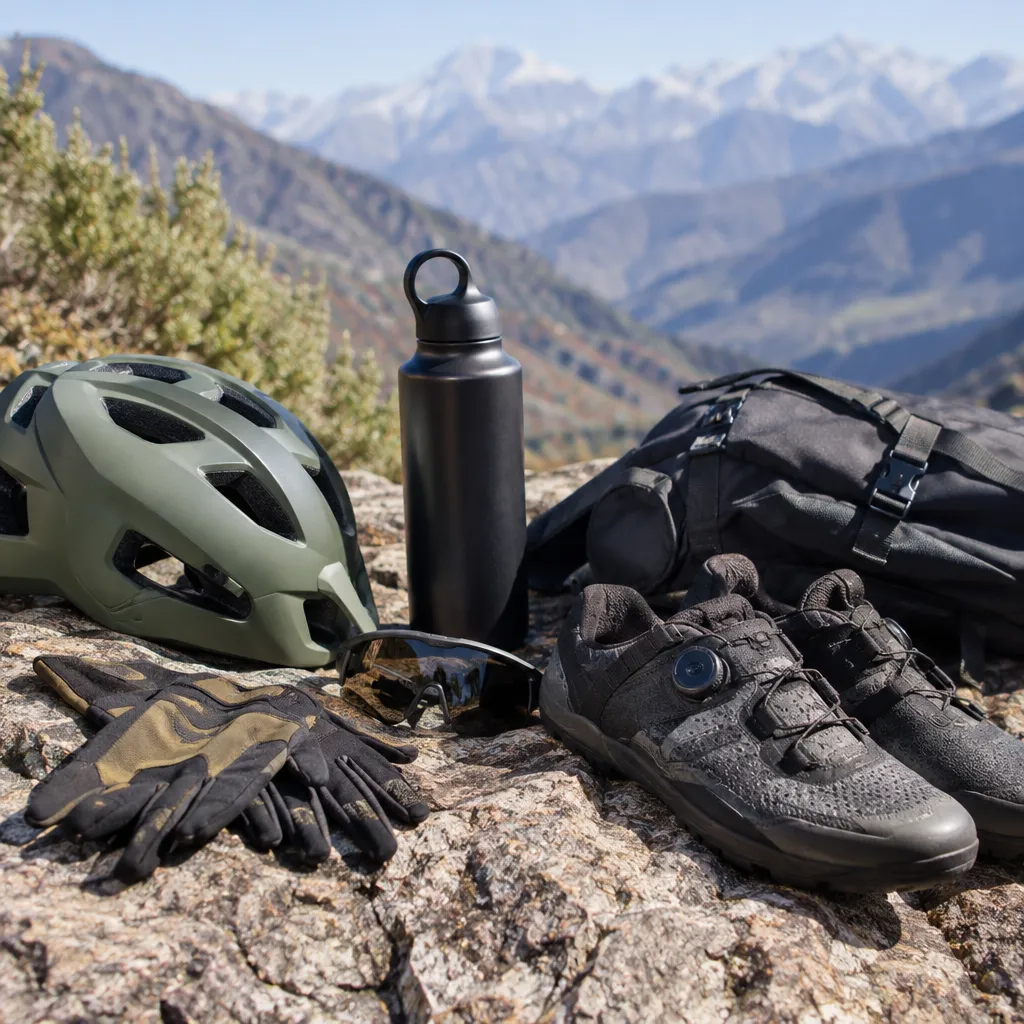
Hiking, mountain biking and trekking-style excursions offer different ways to experience the Atlas Mountains. Hiking involves walking, while mountain biking adds technical riding and bike-handling demands. Trekking-style trips may involve longer travel on foot. Gravel riding suits routes where the surface and route profile fit that riding style.
Match the activity to your experience, fitness, equipment and expected conditions. For a ride, consider surface, steepness, distance and technical features—not distance alone. Beginners may prefer a less demanding route or guided outing; experienced riders can compare options by terrain and support.
Mountain Landscape FAQs
How are mountains formed?
Many mountains form when movements in Earth’s crust push, fold or fracture rock upward; others are created by volcanic activity. Erosion then reshapes peaks, ridges and valleys over time.
Why is the air thinner at higher elevations?
Air pressure decreases with elevation, so each breath contains fewer oxygen molecules than it would at lower altitude. Physical effort can therefore feel harder, especially when ascending quickly.
What is the tree line on a mountain?
The tree line is the upper limit where trees can grow consistently under local conditions. Its elevation varies with climate, exposure, moisture and other environmental factors.
Are all mountains part of a mountain range?
No. Many mountains belong to ranges, but isolated mountains and individual volcanic peaks also exist. A range is a connected group of mountains shaped by shared geological structure or location.
How do mountains affect rainfall nearby?
Mountains can force moist air upward, where it cools and may produce precipitation on the windward side. The sheltered side may receive less, though local weather patterns vary.
What causes a mountain snowline to change?
The snowline shifts with temperature, snowfall, sunlight, slope aspect and season. It can also vary between nearby slopes, so a single elevation does not describe conditions across an entire mountain.
What should you pack for a day in the mountains?
Bring layers, water, food, sun protection and suitable footwear or activity-specific equipment. Check the forecast and route conditions first, then adjust for elevation, exposure and the length of your outing.
How can a beginner choose a suitable mountain activity?
Start with an activity and route that match your fitness, experience and comfort with the terrain. Check distance, elevation gain, surface and weather, and consider local guidance if you are unsure.
Recommended next steps
Before heading out, identify the area and elevation, check local conditions, and choose an activity that fits your abilities. For a ride in Morocco, compare the terrain and riding style with your experience, then plan equipment and support around the specific outing.
Hannah Whitaker is an adventure travel editor with a background in outdoor travel writing and guided cycling trips. She specialises in mountain biking and trekking in Morocco, including routes around Marrakech, the Atlas Mountains and the Sahara. Drawing on local guides’ knowledge, she explains trail conditions, practical preparation and the cultural context of each journey. Her articles help riders assess whether a route suits their ability and plan a rewarding day or multi-day trip.